
Imagine waking up each day feeling light, flexible, and ready to take on the world. Proper stretching not only enhances your flexibility but can also improve your overall wellness and performance in daily activities. Whether you’re an athlete or someone who simply wants to feel better in their own body, incorporating a stretch routine can be transformative.
What is a Stretch Routine?
A stretch routine is a series of exercises designed to improve flexibility and range of motion in your muscles and joints. It can include static stretches, where you hold a position for a certain period, and dynamic stretches, which involve movement. Both types are important, depending on when and how you choose to use them.
Benefits of Stretching
Engaging in regular stretching offers a wealth of benefits:
- Improves Flexibility: Regular stretching improves your flexibility, making it easier to perform daily movements and reducing the risk of injury.
- Enhances Circulation: Stretching increases blood flow to your muscles, which can aid in recovery and reduce muscle soreness.
- Improves Posture: Stretching tight muscles, especially in the back and shoulders, can help to improve your posture over time.
- Reduces Stress: Stretching can also be a relaxing activity that helps to reduce mental stress and tension in your body.
Creating Your Stretch Routine
To establish a stretch routine, consider the following steps:
1. Set Your Goals
Determine what you want to achieve with your stretch routine. Are you looking to enhance flexibility for a specific sport? Do you want to reduce tension from sitting at a desk all day? Setting clear goals will help you stay motivated.
2. Choose Your Stretches
Select stretches that target the specific areas you want to improve. Focus on major muscle groups, including:
- Neck and shoulders
- Back
- Chest
- Hip flexors
- Quadriceps and hamstrings
3. Schedule Your Routine
Finding a time that works best for you is crucial. Some people prefer stretching in the morning to wake up their muscles, while others may choose to do it in the evening as a way to unwind. Aim for at least 10-15 minutes of stretching a few times a week.
4. Warm Up First
Always warm up your muscles before stretching. A light walk or some gentle movements can increase blood flow and prepare your body for deeper stretches. This can help prevent injuries.
5. Incorporate Deep Breathing
While stretching, focus on your breath. Inhale deeply through your nose and exhale through your mouth. This practice not only helps deepen your stretches but also promotes relaxation.
Sample Simple Stretch Routine
Here’s a quick guide to a basic stretch routine that you can follow:
- Neck Stretch: Tilt your head to one side, holding for 15-30 seconds. Repeat on the other side.
- Shoulder Stretch: Cross one arm across your body and gently pull it closer with the opposite arm for 15-30 seconds on each side.
- Chest Opener: Stand tall, clasp your hands behind your back, and gently lift your arms while opening your chest.
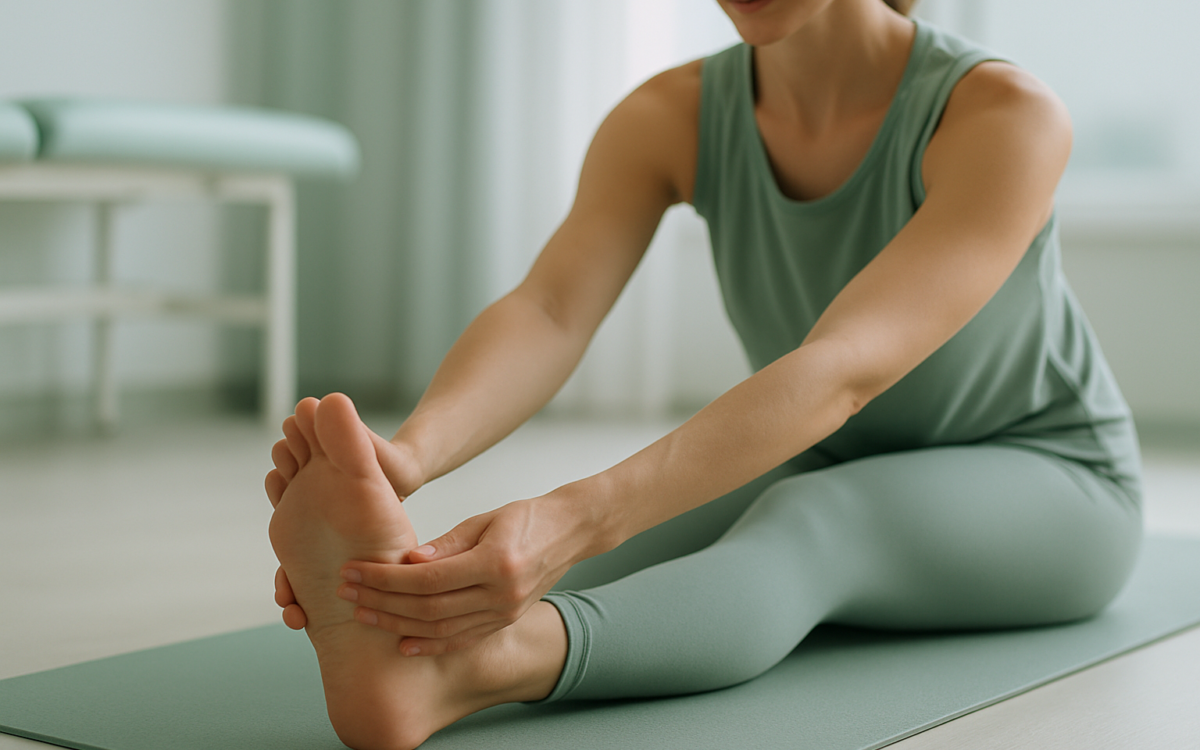
- Hamstring Stretch: Sit on the floor, extend one leg, and reach towards your toes for 15-30 seconds. Switch legs.
- Hip Flexor Stretch: Step forward into a lunge position, keeping your spine straight. Hold for 15-30 seconds on each side.
For those who might be traveling or interested in international treatments, learning about advanced stretching techniques and the expertise available can be beneficial. Resources like Acibadem International can offer insights into specific treatments that might complement your stretching routine.
When to See a Doctor
If you experience persistent pain while stretching, notice swelling, or your flexibility doesn’t improve over time, it’s important to consult a healthcare professional. A doctor or physical therapist can assess for any underlying issues that may require attention.
Conclusion
Establishing a regular stretch routine can lead to significant improvements in your flexibility, stress levels, and overall well-being. With just a few simple steps and consistent practice, you can enhance how your body feels and functions every day. Remember, listen to your body, and don’t hesitate to reach out to a healthcare provider if you have concerns about your stretching or body mechanics.
