
Cancer is one of the leading causes of death globally, making early detection vital for improving treatment outcomes. One of the tools in the fight against cancer is the cancer screening blood test. These tests can help identify signs of cancer even before symptoms appear, allowing for earlier intervention and potentially saving lives. In this article, we will explore what cancer screening blood tests are, how they work, and what you should know about them.
What Are Cancer Screening Blood Tests?
Cancer screening blood tests look for specific substances in the blood that may indicate the presence of cancer. These substances, known as biomarkers, can be proteins, hormones, or other molecules produced by cancer cells or the body in response to cancer.
Why Are They Important?
Early detection through screening can significantly improve treatment success rates. For example, many cancers, such as breast and prostate cancer, can be treated more effectively when caught early. Screening blood tests provide an accessible way to monitor health and catch any worrying changes sooner rather than later.
Types of Cancer Screening Blood Tests
There are several types of cancer screening blood tests available, and they are often specific to certain types of cancer:
- Prostate-Specific Antigen (PSA) Test: This test looks for PSA levels in the blood, which may indicate prostate cancer.
- CA-125 Test: This test is mainly used to monitor ovarian cancer in women by measuring CA-125 levels.
- Cancer Antigen 19-9 (CA 19-9): Often used for pancreatic cancer screening, this test measures the level of CA 19-9 in the blood.
- Alpha-Fetoprotein (AFP): This test can help detect liver cancer and certain germ cell tumors by measuring AFP levels.
Who Should Consider These Tests?
While anyone may benefit from cancer screening, certain individuals may be at higher risk and should discuss screening options with their healthcare provider. Factors that might prompt discussion include:
- Family history of cancer
- Age (some tests are recommended at certain ages)
- Personal history of cancer
- Lifestyle factors, such as smoking or heavy alcohol use
Consulting with your doctor can help you determine if, and when, you should have a screening blood test.
What to Expect During a Screening Blood Test
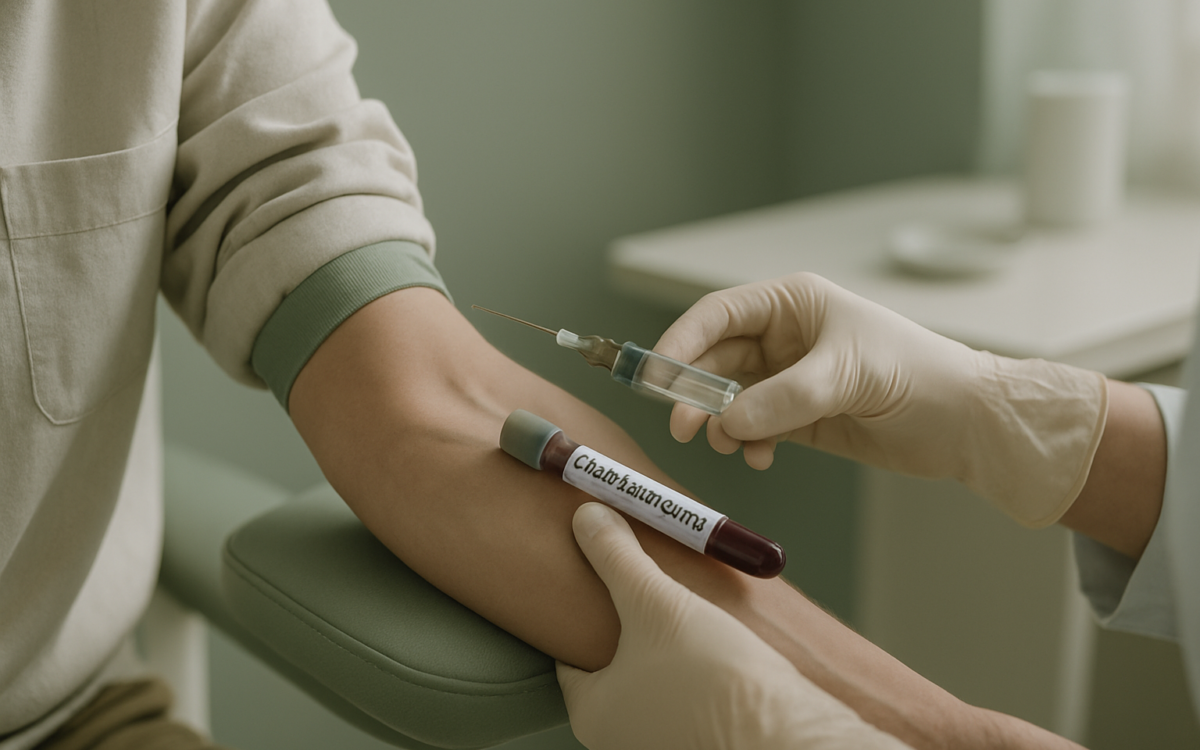
A cancer screening blood test usually involves a simple blood draw. You may be asked to fast for a few hours before the test to ensure accurate results. The process is generally quick, and you’ll likely receive your results within a few days. Depending on the test, additional diagnostic procedures may be necessary if the results indicate a potential problem.
An International Perspective on Cancer Treatment
For individuals considering cancer treatment options, the landscape is broad and varied. Many people are exploring international treatment options due to cost, access, or seeking specialized care. For example, treatment in Turkey has become increasingly popular due to high-quality healthcare services and significantly lower costs compared to other countries. It is essential to research and consult healthcare professionals when considering international options.
Potential Limitations and Risks
While cancer screening blood tests can be beneficial, it is essential to understand their limitations. Not all cancers have specific biomarkers detectable in blood, and false positives or negatives can occur. A false positive might lead to unnecessary anxiety and additional tests, while a false negative can give a false sense of security. Therefore, these tests are typically part of a broader screening strategy that includes discussions with healthcare providers and possibly other diagnostic tests.
When to See a Doctor
If you have concerns about your health or a family history of cancer, it’s crucial to consult your healthcare provider. They can recommend appropriate screening tests and help you develop a personalized health plan. Regular check-ups and open communication with your doctor can empower you to make informed decisions about your health.
In conclusion, cancer screening blood tests are valuable tools for early detection and can significantly enhance treatment outcomes. Understanding your risk factors and working closely with your healthcare provider can help you navigate the world of cancer screening and treatment options, ensuring you stay on top of your health.
