
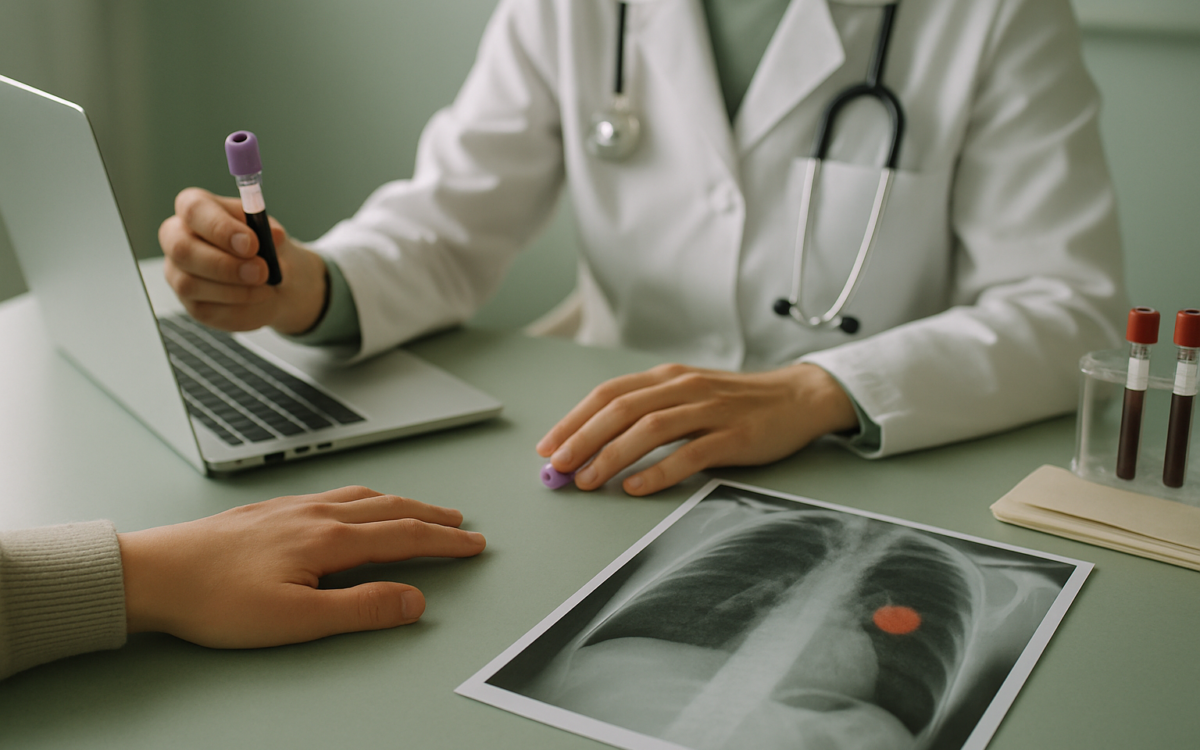
Cancer is a word that can bring a wave of fear and uncertainty. Early detection plays a crucial role in improving treatment outcomes and survival rates. Knowing how cancer is detected can empower you to take charge of your health and recognize the signs that may warrant further investigation. In this article, we will explore different methods used to detect cancer, the importance of screenings, and when to seek medical advice.
The Importance of Early Detection
Detecting cancer in its early stages often makes treatment more effective. Many cancers do not show clear symptoms until they have reached advanced stages. Therefore, understanding the various methods of detection is essential. According to the CDC, regular screenings and being aware of your body can lead to early detection, which is vital for successful treatment.
Screening Tests
Screening tests are tools used to detect cancer in asymptomatic individuals. These tests are generally non-invasive and can help catch cancer before symptoms appear. Here are some common types of cancer screenings:
- Mammograms: Recommended for women, mammograms are X-ray exams that can detect breast cancer early.
- Paps and HPV Testing: Used to screen for cervical cancer, these tests look for abnormal cells and human papillomavirus.
- Colonoscopy: This test helps detect colorectal cancer by examining the large intestine for any abnormalities.
- Prostate-Specific Antigen (PSA) Test: This blood test can help identify prostate cancer in men.
Imaging Tests
Imaging tests allow healthcare providers to visualize the inside of the body to identify abnormalities associated with cancer. Common imaging tests include:
- X-rays: Simple imaging tests that can show signs of lung cancer.
- CT Scans: More detailed than traditional X-rays, CT scans create cross-sectional images of various body parts and can spot tumors.
- MRIs: Magnetic resonance imaging helps to identify soft tissue tumors that other imaging techniques might miss.
- Ultrasound: Often used to examine organs and tissues, it can help identify abnormalities in areas such as the liver or kidneys.
Biopsies: The Definitive Test
A biopsy involves taking a small sample of tissue from a suspicious area to be examined under a microscope. This is often the most definitive way to diagnose cancer. There are different types of biopsies:
- Needle Biopsy: A needle is used to extract a small sample of tissue, often guided by imaging techniques.
- Surgical Biopsy: In some cases, the entire tumor may be removed for examination.
- Endoscopic Biopsy: This involves using a thin tube with a camera to collect tissue samples from inside organs.
The results of a biopsy can reveal whether a tumor is benign or malignant and, if malignant, what type of cancer it is. The Mayo Clinic emphasizes the role of biopsy in not only diagnosing cancer but also determining the most effective treatment.
Understanding Symptoms
While screenings and imaging tests are critical for early detection, being aware of potential symptoms can also be essential. Common symptoms include:
- Unexplained weight loss
- Persistent fatigue
- Changes in the skin, such as new moles or color changes
- Unexplained bleeding or bruising
- Persistent cough or trouble breathing
- Changes in bowel or bladder habits
If you notice any unusual symptoms, it’s important to consult a healthcare provider. Early investigation can lead to early diagnosis.
When to See a Doctor
If you experience any persistent symptoms or have concerns about cancer, it is crucial to consult a healthcare professional. Regular check-ups and screenings are recommended, especially as you age or if you have a family history of cancer. According to the World Health Organization (WHO), awareness of personal risk factors and early screening can significantly reduce mortality rates.
Conclusion
Knowing how cancer is detected equips you with essential knowledge to advocate for your health and well-being. Regular screenings, understanding symptoms, and consulting with healthcare providers are key steps in the journey toward early detection. Remember, early action can make all the difference when it comes to fighting cancer.
