
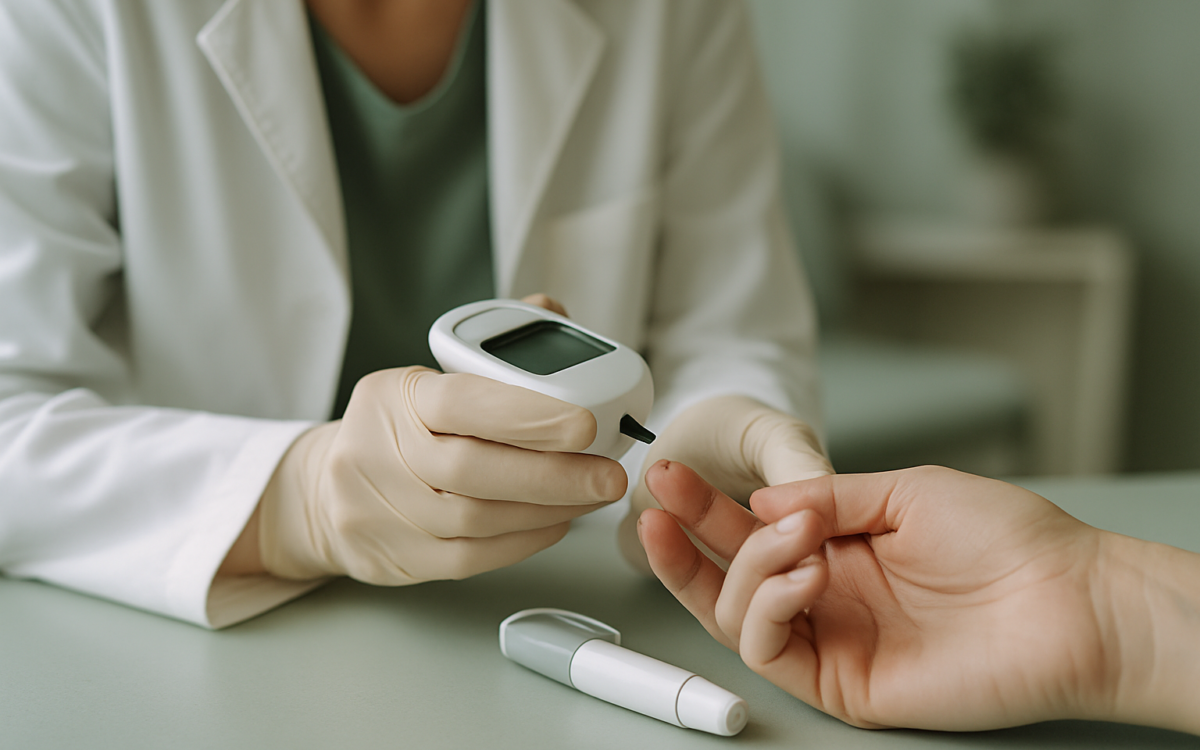
Diabetes is a chronic condition that affects how your body processes sugar. Understanding how diabetes is diagnosed is crucial for timely treatment and management. Early diagnosis can lead to better health outcomes, allowing individuals to lead healthier lives. This guide will explore the various methods used to diagnose diabetes, the significance of early detection, and signs to watch for.
What is Diabetes?
Diabetes is a condition in which the body either does not produce enough insulin or cannot use insulin effectively. Insulin is a hormone that helps control blood sugar levels. There are two primary types of diabetes:
- Type 1 Diabetes: An autoimmune condition where the body attacks insulin-producing cells in the pancreas.
- Type 2 Diabetes: A condition often linked to obesity, where the body becomes resistant to insulin or does not produce enough.
There’s also gestational diabetes, which can occur during pregnancy and typically resolves after delivery. Understanding these types helps in understanding diagnosis.
Common Symptoms of Diabetes
Recognizing the symptoms of diabetes can help individuals seek medical attention sooner. Common signs include:
- Frequent urination
- Increased thirst
- Unexplained weight loss
- Extreme hunger
- Fatigue
- Blurred vision
If you experience several of these symptoms, it may be time to talk to a healthcare professional for further evaluation.
Tests Used in the Diagnosis of Diabetes
There are several tests that healthcare providers use to diagnose diabetes. These tests measure blood sugar levels and can help determine if a person has diabetes or prediabetes:
1. Fasting Blood Glucose Test
This test measures blood sugar levels after fasting for at least eight hours. A fasting blood glucose level of 126 milligrams per deciliter (mg/dL) or higher indicates diabetes.
2. A1C Test
The A1C test provides an average of your blood sugar levels over the past two to three months. An A1C level of 6.5% or higher on two separate tests typically indicates diabetes. This test does not require fasting, making it convenient for many patients.
3. Oral Glucose Tolerance Test (OGTT)
The OGTT measures blood sugar levels before and two hours after consuming a sugary drink. A reading of 200 mg/dL or higher after two hours confirms diabetes. This test is often used during pregnancy to check for gestational diabetes.
4. Random Blood Sugar Test
This test measures blood sugar at any time, regardless of when the person last ate. A result of 200 mg/dL or higher may indicate diabetes.
Understanding Pre-Diabetes
Not everyone with high blood sugar levels has diabetes. Pre-diabetes is a condition where blood sugar levels are higher than normal but not high enough for a diabetes diagnosis. Recognizing pre-diabetes is essential because it can be reversed with lifestyle changes. Regular screening and monitoring are crucial if you are at risk.
Risk Factors for Diabetes
Several risk factors are associated with developing diabetes:
- Being overweight or obese
- Lack of physical activity
- Family history of diabetes
- Age (especially over 45)
- High blood pressure
- High cholesterol
- Gestational diabetes history
Understanding these risk factors can help in identifying high-risk individuals who would benefit from early screening.
When to See a Doctor
If you experience symptoms commonly associated with diabetes or have multiple risk factors, it is important to consult a healthcare professional. Early diagnosis can lead to effective management and better health outcomes. Regular screening is also advised if you are at higher risk.
Conclusion
The diagnosis of diabetes involves a combination of symptoms, tests, and understanding risk factors. Early detection is critical for managing diabetes effectively. If you have concerns about diabetes, please discuss them with your healthcare provider. They can guide you through the appropriate tests and help you understand your health better.
For more information about diabetes and its diagnosis, you can visit the Mayo Clinic or the CDC.
