
Type 1 diabetes can feel like a whirlwind of information, especially if you or a loved one has been recently diagnosed. Unlike Type 2 diabetes, which is often associated with lifestyle factors, Type 1 diabetes is primarily an autoimmune condition. It’s crucial to understand how this disease develops, its symptoms, and the options for managing it. Gaining more knowledge empowers patients and caregivers alike.
What is Type 1 Diabetes?
Type 1 diabetes is a chronic condition where the pancreas produces little or no insulin, a hormone that regulates blood sugar levels. It usually arises in children, teens, or young adults, although it can occur at any age. This condition accounts for about 5-10% of all diabetes cases. People with Type 1 diabetes require lifelong insulin therapy, as their bodies cannot produce insulin.
What Causes Type 1 Diabetes?
The exact cause of Type 1 diabetes is still not fully understood, but we do know that it is an autoimmune disease. This means that the body’s immune system mistakenly attacks and destroys the insulin-producing beta cells in the pancreas. Here are some factors believed to contribute to this process:
- Genetics: A family history of Type 1 diabetes can increase the risk. However, most people with this condition have no family history.
- Environment: Certain environmental factors, such as viruses, may trigger the autoimmune response that leads to Type 1 diabetes. Studies are ongoing to identify specific triggers.
- Immune Response: Type 1 diabetes is linked to a malfunction in the immune system, which mistakenly identifies beta cells as harmful and attacks them.
Recognizing the Symptoms
Various symptoms can indicate the onset of Type 1 diabetes. These can develop quickly, often within a few weeks. Early recognition is essential for timely diagnosis and management. Common symptoms include:
- Increased thirst and frequent urination
- Unexplained weight loss
- Extreme hunger
- Fatigue and weakness
- Blurred vision
If you or someone you know is experiencing these symptoms, it’s important to consult a healthcare provider promptly.
Diagnosing Type 1 Diabetes
Diagnosis of Type 1 diabetes typically involves blood tests that measure blood sugar levels. The following are some key tests used by healthcare providers:
- Fasting Blood Sugar Test: Measures blood glucose levels after fasting overnight.
- Random Blood Sugar Test: A blood sample taken at any time can indicate diabetes if the blood sugar level is elevated.
- A1C Test: This test provides an average blood sugar level over the past 2-3 months and helps identify diabetes.
It’s important to differentiate Type 1 diabetes from Type 2 diabetes, especially since treatment protocols differ significantly.
Management and Treatment
Living with Type 1 diabetes requires a comprehensive management plan that focuses on balancing insulin therapy, diet, and exercise. Here’s what that typically involves:
- Insulin Therapy: People with Type 1 diabetes must take insulin injections or use an insulin pump to maintain normal blood glucose levels.
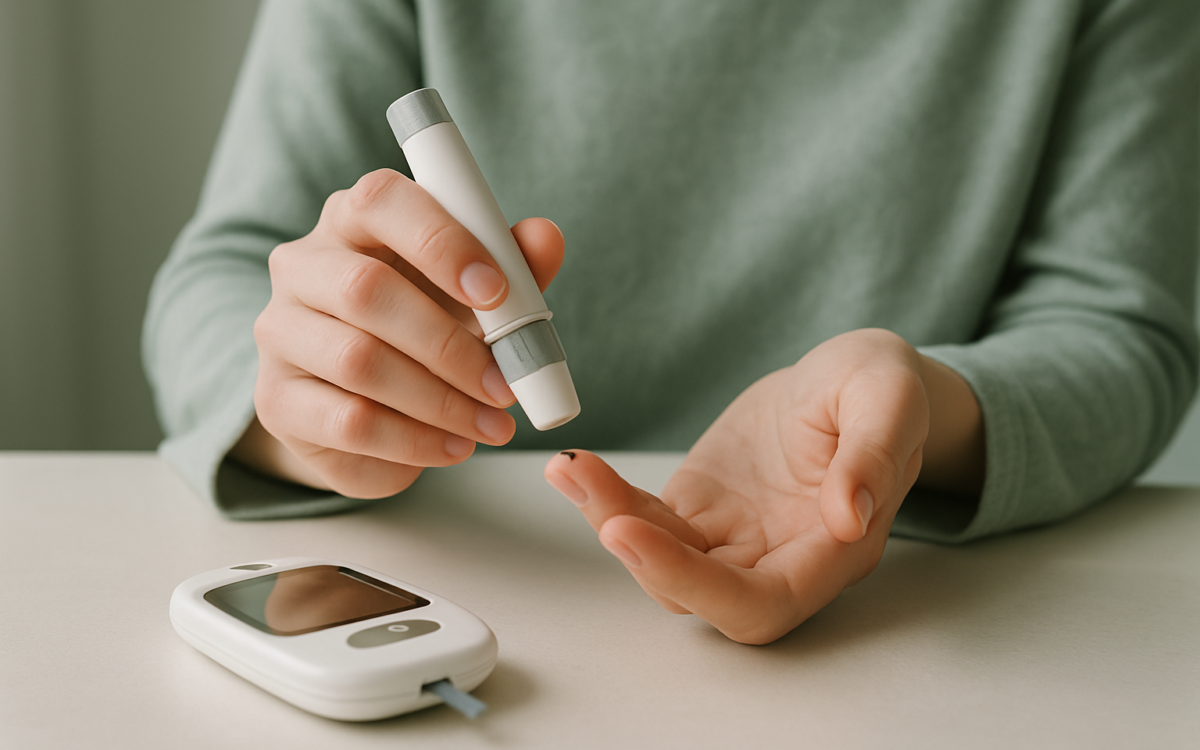
- Monitoring Blood Sugar Levels: Frequent monitoring is essential to ensure blood sugar stays within a target range. This may involve finger pricking or using continuous glucose monitors (CGMs).
- Healthy Eating: A well-balanced diet that considers carbohydrate intake can help manage blood sugar levels. Consulting a dietitian can be helpful for creating a personalized eating plan.
- Regular Exercise: Physical activity plays a crucial role in maintaining overall health and can help regulate blood sugar levels.
Education and support are vital. Many organizations provide resources for living with Type 1 diabetes, helping patients understand their condition better.
Living with Type 1 Diabetes
Managing Type 1 diabetes can be challenging, but many individuals lead healthy and active lives. Building a support network, whether through family, friends, or diabetes support groups, can significantly improve emotional resilience. Additionally, annual check-ups with healthcare providers are crucial for monitoring diabetes management and preventing complications.
Simplifying daily management with technology, such as insulin pumps and CGM, can also help make life easier. Keeping an open line of communication with healthcare teams ensures adjustments can be made when needed.
When to See a Doctor
If you notice symptoms of diabetes or have concerns regarding your or a loved one’s blood sugar levels, consult a healthcare provider. It’s essential to address any acute symptoms or changes in health promptly to prevent serious complications.
For more information about Type 1 diabetes, including in-depth research and studies, visit reputable sources like the CDC, NIH, and the Mayo Clinic.
Understanding Type 1 diabetes is the first step toward effective management. By recognizing symptoms early and working closely with healthcare providers, individuals can lead fulfilling lives while managing the condition.
