
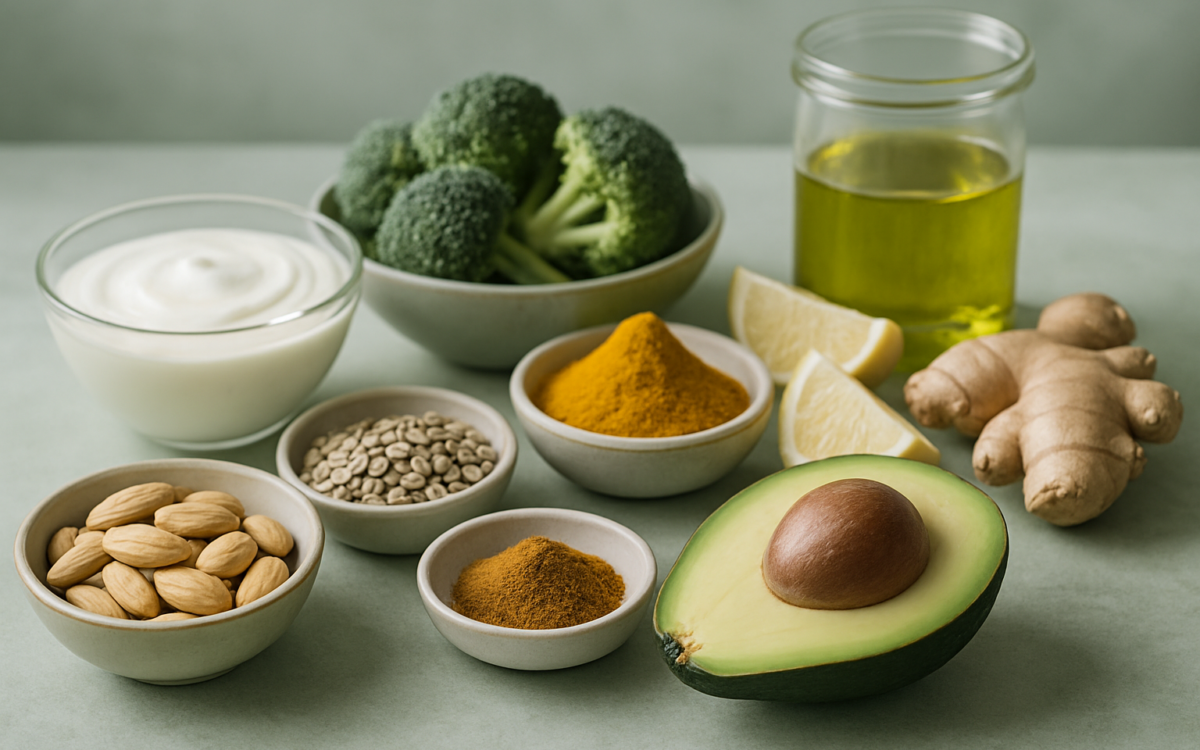
Inflammation is your body’s natural response to injury or infection, but when it becomes chronic, it can lead to serious health issues. This long-term inflammation is linked to conditions like heart disease, diabetes, and certain cancers. The good news is that your diet can play a significant role in managing inflammation. By incorporating specific anti-inflammation foods, you can help support your body’s health and well-being.
What Are Anti-Inflammation Foods?
Anti-inflammation foods are those that help reduce inflammation in your body. They are typically rich in antioxidants, healthy fats, vitamins, and minerals. Let’s explore some of the best options that can make a difference in your health.
Fruits and Vegetables
Fruits and vegetables are packed with vitamins, minerals, and antioxidants. They provide essential nutrients that help fight inflammation.
- Berries: Blueberries, strawberries, and raspberries contain antioxidants called flavonoids, which have anti-inflammatory properties.
- Leafy Greens: Spinach, kale, and broccoli are rich in vitamins like K and A, as well as other anti-inflammatory compounds.
- Tomatoes: High in vitamin C and lycopene, tomatoes can help lower inflammation, especially when cooked.
Healthy Fats
Not all fats are equal. Healthy fats can help reduce inflammation in your body. Here are some excellent sources:
- Olive Oil: Extra virgin olive oil is rich in monounsaturated fats and antioxidants, making it a fantastic anti-inflammatory food.
- Fatty Fish: Salmon, mackerel, and sardines are loaded with omega-3 fatty acids, which are known for their anti-inflammatory effects.
- Avocados: Avocados are not only delicious, but they’re also rich in vitamins and healthy fats that help reduce inflammation.
Whole Grains and Legumes
Whole grains and legumes are excellent sources of fiber, which can help reduce inflammation in your body. Examples include:
- Oats: Rich in antioxidants and fiber, oats can help combat inflammation.
- Quinoa: This gluten-free grain contains protein and is full of nutrients that support your body.
- Beans: Black beans, lentils, and chickpeas are packed with fiber and protein, making them great for fighting inflammation.
Spices and Herbs
Many spices and herbs have unique properties that can fight inflammation:
- Turmeric: Curcumin, the active compound in turmeric, has strong anti-inflammatory properties and is used in both cooking and supplements.
- Ginger: Ginger has long been used for its medicinal properties, including reducing inflammation.
- Garlic: Garlic not only adds flavor to dishes but also provides anti-inflammatory benefits.
Seeking Global Approaches to Treatment
For those considering broader options, exploring treatment in Turkey for chronic inflammation may provide advanced approaches, blending traditional diets with modern medical insight.
Conclusion
By incorporating these anti-inflammation foods into your diet, you can play an active role in managing inflammation. A balanced diet rich in fruits, vegetables, whole grains, healthy fats, and spices can provide your body with the support it needs to thrive. However, remember to consult your healthcare provider before making significant dietary changes, especially if you have underlying health conditions.
When to See a Doctor
If you suspect that you have chronic inflammation or if you experience symptoms such as prolonged pain, fatigue, or digestive issues, it’s important to consult a doctor. They can help evaluate your situation and recommend appropriate treatment options.
