
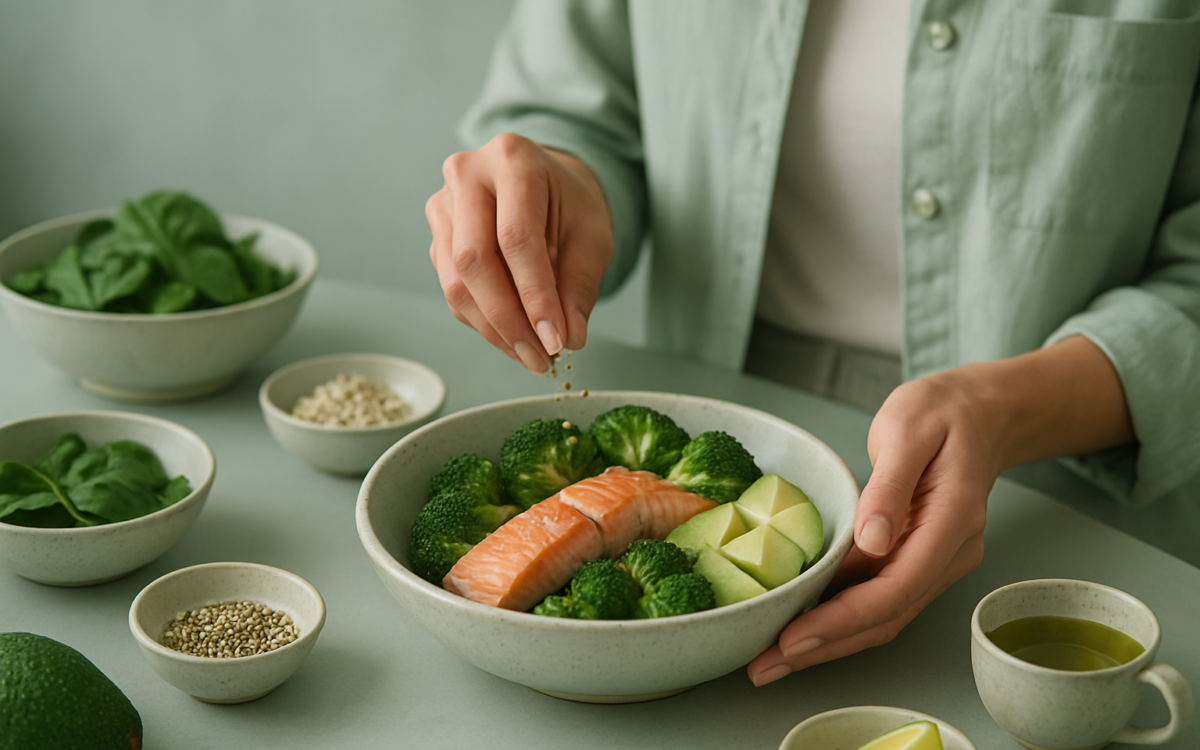
In today’s fast-paced world, many of us seek not only to eat well but also to prevent inflammation that can lead to chronic diseases. An anti-inflammatory diet focuses on nutrient-dense foods that can help reduce inflammation in the body. This article offers delicious recipes to help you embrace an anti-inflammatory lifestyle while enjoying your meals.
Understanding Inflammation
Inflammation is a natural process that helps the body heal from injury and fight infections. However, when it becomes chronic, it can contribute to various health issues such as heart disease, diabetes, and arthritis. According to the National Institutes of Health (NIH), the foods we consume can play a significant role in managing inflammation.
Essential Ingredients for Anti-Inflammatory Recipes
When preparing anti-inflammatory meals, focus on incorporating the following ingredients:
- Fruits and Vegetables: Berries, leafy greens, and cruciferous vegetables are packed with antioxidants.
- Whole Grains: Foods like quinoa, brown rice, and oats are high in fiber.
- Nuts and Seeds: Walnuts and chia seeds provide healthy fats and proteins.
- Healthy Fats: Olive oil and avocados are rich sources of monounsaturated fats.
- Spices and Herbs: Turmeric, ginger, and garlic have natural anti-inflammatory properties.
Breakfast: Overnight Oats with Berries and Chia Seeds
Start your day right with this simple yet nutritious breakfast recipe.
Ingredients:
- 1 cup rolled oats
- 2 cups almond milk (or any milk of choice)
- 1/2 cup mixed berries (blueberries, strawberries, raspberries)
- 2 tablespoons chia seeds
- 1 tablespoon honey or maple syrup (optional)
- 1/2 teaspoon cinnamon
Instructions:
- In a jar or bowl, combine oats, almond milk, and chia seeds.
- Add honey and cinnamon if desired, then stir well.
- Top with mixed berries.
- Cover and refrigerate overnight.
- Enjoy in the morning!
Lunch: Quinoa Salad with Spinach and Chickpeas
This protein-packed salad is perfect for lunch and can be made in advance.
Ingredients:
- 1 cup cooked quinoa
- 2 cups fresh spinach
- 1 can chickpeas, rinsed and drained
- 1/2 cucumber, diced
- 1/2 bell pepper, diced
- 2 tablespoons olive oil
- Juice of 1 lemon
- Salt and pepper to taste
Instructions:
- In a large bowl, combine cooked quinoa, spinach, chickpeas, cucumber, and bell pepper.
- In a small bowl, whisk together olive oil, lemon juice, salt, and pepper.
- Pour dressing over salad and toss well to combine.
- Serve fresh or store in the refrigerator for a few days.
Dinner: Baked Salmon with Sweet Potatoes and Broccoli
This hearty dinner is rich in omega-3 fatty acids, which are known for their anti-inflammatory benefits.
Ingredients:
- 2 salmon fillets
- 2 medium sweet potatoes, cubed
- 2 cups broccoli florets
- 2 tablespoons olive oil
- 1 teaspoon garlic powder
- Salt and pepper to taste
Instructions:
- Preheat your oven to 400°F (200°C).
- On a baking sheet, toss sweet potatoes and broccoli with olive oil, garlic powder, salt, and pepper.
- Place the salmon fillets on the baking sheet and season with salt and pepper.
- Bake for about 20-25 minutes until the salmon is cooked through and the vegetables are tender.
- Serve hot and enjoy!
Snacks: Turmeric Hummus with Veggies
Snack healthier with this vibrant hummus packed with flavor and nutrients.
Ingredients:
- 1 can chickpeas, rinsed and drained
- 2 tablespoons tahini
- 1 tablespoon olive oil
- 1 teaspoon turmeric powder
- Juice of 1 lemon
- Salt and pepper to taste
- Vegetable sticks (carrots, celery, bell peppers) for dipping
Instructions:
- In a food processor, combine chickpeas, tahini, olive oil, turmeric, lemon juice, salt, and pepper.
- Blend until smooth, adding water as needed to reach desired consistency.
- Serve with fresh vegetable sticks.
When to See a Doctor
If you experience persistent inflammation or symptoms such as pain, swelling, or fatigue, it’s essential to consult a healthcare professional. They can guide you on appropriate management and dietary modifications.
Conclusion
By incorporating these anti-inflammatory recipes into your daily meals, you can enjoy tasty dishes while also promoting better health. Eating a balanced, nutrient-rich diet is a rewarding journey. Remember, every small change counts!
