
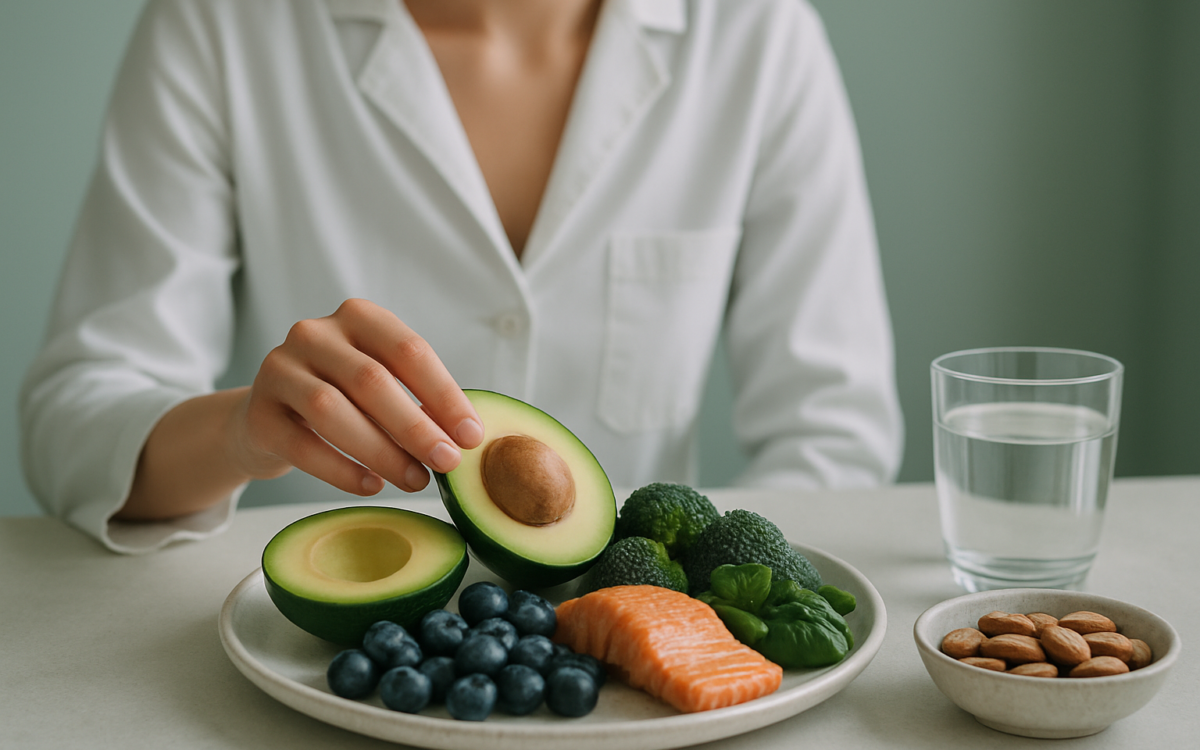
Your skin is the largest organ of your body, and it plays a vital role in your overall health. Just like any other part of your body, your skin needs proper nutrition to function well and appear vibrant. With so many food options available, it can be overwhelming to know what truly benefits your skin. In this article, we will explore some of the best foods for skin health, highlighting their nutritional benefits and how they can help you achieve that radiant complexion.
Fruits: Nature’s Skin Boosters
Fruits are packed with vitamins, minerals, and antioxidants that can significantly benefit your skin.
- Oranges: These citrus fruits are high in vitamin C, which is crucial for collagen production and helps maintain skin elasticity. Vitamin C also protects your skin from damage caused by UV rays and pollution.
- Berries: Blueberries, strawberries, and raspberries are all rich in antioxidants that fight free radicals. Free radicals can cause premature aging by damaging skin cells. The antioxidants in berries can help improve skin texture and tone.
- Avocado: This fruit is loaded with healthy fats and vitamins E and C. Vitamin E is an antioxidant that helps protect your skin from sun damage, while healthy fats keep your skin hydrated and supple.
Vegetables: Colorful Choices for Complexion
Vegetables are essential for a well-rounded diet and can do wonders for your skin.
- Spinach: This leafy green is rich in vitamins A, C, and K, as well as antioxidants. Vitamin A promotes cell turnover, which helps with skin renewal and repair.
- Carrots: High in beta-carotene, carrots help convert to vitamin A in the body. This vitamin helps repair damaged skin and keeps it healthy.
- Tomatoes: They are rich in lycopene, an antioxidant tied to protection against sun damage. Cooking tomatoes increases lycopene levels making it more bioavailable to the body.
Nuts and Seeds: Healthy Fats for Skin Vitality
Nuts and seeds provide essential fatty acids that help maintain the integrity of the skin barrier. A strong skin barrier locks in hydration, which is key for keeping your skin looking plump and youthful.
- Walnuts: These nuts are a great source of omega-3 fatty acids, which help reduce inflammation and promote skin hydration.
- Almonds: Packed with Vitamin E, almonds play a critical role in protecting your skin from oxidative damage and promoting overall skin health.
- Chia Seeds: Rich in omega-3 fatty acids and antioxidants, chia seeds can help maintain your skin’s moisture levels, keeping it soft and smooth.
Whole Grains: Sustaining Energy for Healthy Skin
Whole grains are more than just a source of energy; they contribute to skin health by providing essential nutrients.
- Oats: Oats are not only good for breakfast; they also contain antioxidants and have anti-inflammatory properties that can soothe irritated skin.
- Brown Rice: Whole grains like brown rice contain B vitamins that are essential for skin health and can aid in healing damaged skin.
- Quinoa: This grain is high in protein and contains essential amino acids that can help with skin repair and regeneration.
Healthy Fats: The Importance of Omega-3s
Incorporating healthy fats into your diet is crucial for skin health. These fats help to keep your skin hydrated and can reduce signs of aging.
- Fatty Fish: Salmon, mackerel, and sardines are excellent sources of omega-3 fatty acids, which can help maintain skin resilience and elasticity.
- Olive Oil: This heart-healthy oil is rich in antioxidants and can help improve skin hydration and elasticity.
- Flaxseeds: Another great source of omega-3s, flaxseeds can help reduce inflammation and improve skin hydration.
Hydration: The Key to Glowing Skin
While it’s not a food, hydration is equally important when it comes to skin health. Aim to drink plenty of water throughout the day to keep your skin looking fresh and plump.
Many fruits and vegetables have high water content, contributing to your hydration. Foods like cucumbers, watermelon, and celery can all help in this regard.
When to See a Doctor
While diet plays a crucial role in skin health, it’s important to consult a healthcare professional if you experience persistent skin issues or conditions such as acne, eczema, or psoriasis. A dermatologist can provide personalized advice and treatment options based on your specific needs.
In conclusion, nourishing your skin from the inside out is essential for achieving a healthy and radiant complexion. Incorporating a variety of fruits, vegetables, whole grains, healthy fats, and staying well-hydrated can make a significant difference. Remember that changes in diet may take time to reflect on your skin, so be patient and consistent for the best results.
