
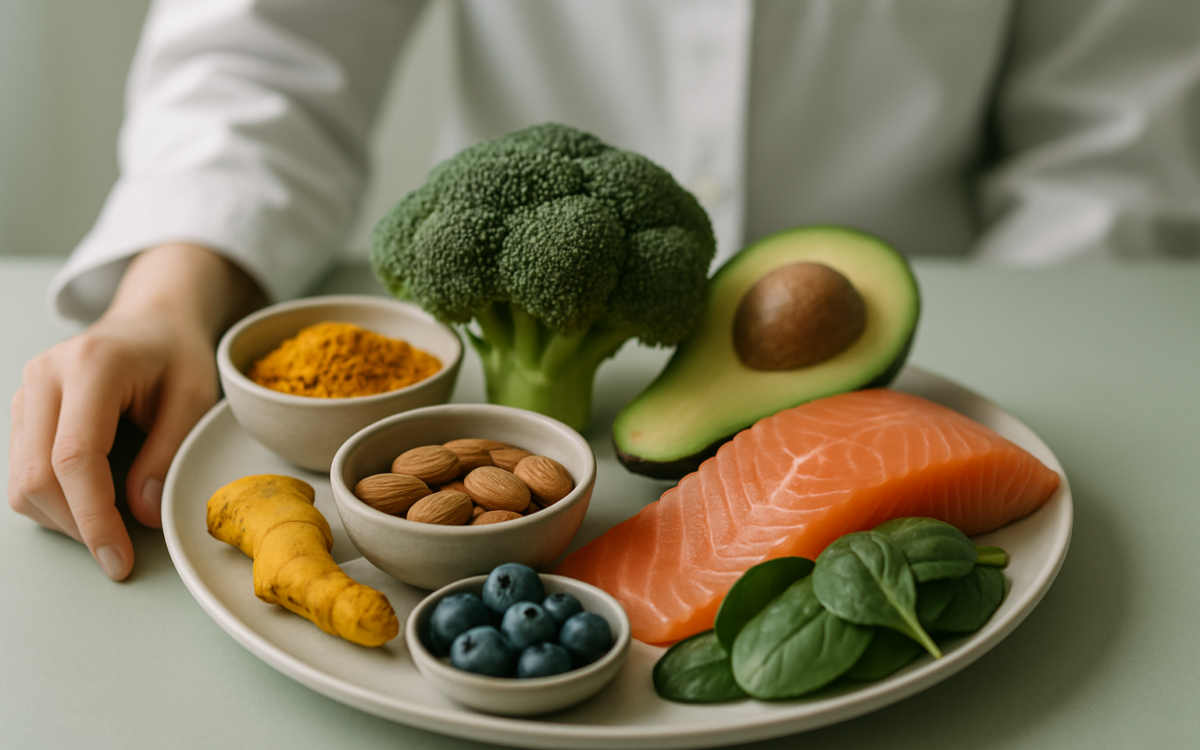
Inflammation is a natural process our bodies use to fight off infections and heal injuries. However, when inflammation lasts too long, it can lead to various health issues, including chronic diseases like heart disease, diabetes, and arthritis. Fortunately, the food we eat plays a significant role in managing inflammation. By choosing the right foods, we can help combat chronic inflammation and promote better overall health.
The Role of Anti-Inflammatory Foods
Anti-inflammatory foods contain compounds that help reduce inflammation in the body. These foods are typically rich in antioxidants, vitamins, and minerals. Many famous dietary patterns, such as the Mediterranean diet, highlight the health benefits of consuming these foods. But what exactly are some of these foods? Let’s dive deeper into the main categories.
Fruits and Vegetables: Nature’s Anti-Inflammatory Wonders
Fruits and vegetables are at the heart of any anti-inflammatory diet. They are packed with essential nutrients that help the body fight inflammation.
- Berries: Blueberries, strawberries, and blackberries are rich in antioxidants known as polyphenols, which can help reduce inflammation. They are also high in vitamin C, which boosts the immune system.
- Leafy Greens: Spinach, kale, and Swiss chard are filled with vitamins A, C, and K, as well as various antioxidants. Their fiber content supports gut health, which is linked to inflammation levels.
- Cruciferous Vegetables: Broccoli, Brussels sprouts, and cauliflower contain sulforaphane, an antioxidant that helps reduce inflammation.
Healthy Fats: Omega-3 Fatty Acids
Healthy fats are essential for maintaining our health. Some fats, such as omega-3 fatty acids, are particularly anti-inflammatory.
- Fatty Fish: Salmon, mackerel, and sardines are rich in omega-3s. These fatty acids have been linked to lower levels of inflammation and improved heart health. The NIH points to omega-3s as vital in reducing systemic inflammation.
- Walnuts: These nuts are a source of plant-based omega-3. They are also high in antioxidants and help improve heart health.
- Chia and Flaxseeds: Both are excellent sources of omega-3 fatty acids and are high in fiber, which supports digestive health.
Spices and Herbs: Flavor with Benefits
Adding spices and herbs to your diet is an easy way to boost anti-inflammatory effects in your meals.
- Turmeric: Curcumin, the active compound in turmeric, has strong anti-inflammatory properties. Pairing it with black pepper can enhance its absorption.
- Ginger: Known for its digestive benefits, ginger also has anti-inflammatory effects that can help with joint pain and arthritis.
- Garlic: Garlic contains compounds that may help reduce inflammation. It can boost the immune system and improve cardiovascular health.
Whole Grains: The Benefits of Fiber
Whole grains are an excellent source of fiber, which can help manage inflammation.
- Brown Rice: Unlike white rice, brown rice is a whole grain that is high in fiber and nutrients, helping in lowering inflammation levels.
- Quinoa: This gluten-free grain is not only high in protein but also contains plenty of antioxidants and fiber.
- Oats: Oats are low in calories and have a high fiber content, known for their heart health benefits.
Fermented Foods: Supporting Gut Health
Fermented foods are packed with probiotics, which promote gut health and may also help reduce inflammation.
- Yogurt: Consuming yogurt with live active cultures can improve gut health and potentially reduce inflammation.
- Kefir: Similar to yogurt, kefir is rich in probiotics and has potent anti-inflammatory properties.
- Kimchi and Sauerkraut: These fermented vegetables contain beneficial bacteria that help modulate the immune system and support gut health.
Other Foods to Consider
While the above categories are crucial for an anti-inflammatory diet, there are other foods you might want to include:
- Dark Chocolate: Choose high cocoa content (70% or higher) for antioxidant benefits.
- Olive Oil: Extra-virgin olive oil is rich in healthy fats and antioxidants, making it a great option for cooking and drizzling.
- Green Tea: This beverage contains polyphenols that may reduce inflammation and promote heart health.
When to See a Doctor
If you experience ongoing inflammation symptoms, such as persistent pain, fatigue, or swelling, it’s important to consult a healthcare professional. Understanding the underlying cause of inflammation is essential for effective treatment.
In conclusion, an anti-inflammatory diet is not just about finding certain foods; it’s about creating a balanced and varied approach to eating. Incorporating a mix of fruits, vegetables, whole grains, healthy fats, and fermented foods can support your overall well-being and help combat chronic inflammation. Always consult your healthcare provider before making significant changes to your diet, especially if you have existing health concerns.
