
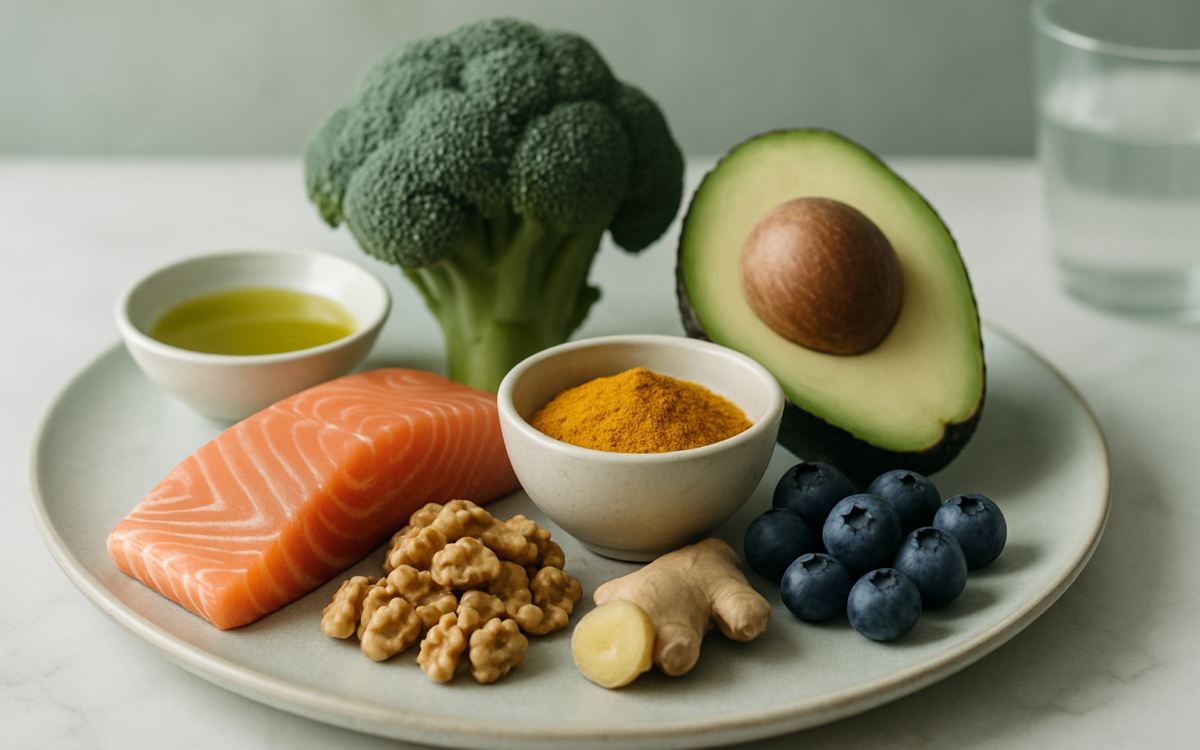
Did you know that what you eat can have a direct impact on inflammation in your body? Chronic inflammation is linked to numerous health problems, including heart disease, diabetes, and even cancer. Luckily, incorporating specific foods into your diet can help combat inflammation and promote overall wellness. Let’s take a deeper look at some of the top anti-inflammatory foods you should consider adding to your meals.
Berries: Tiny Powerhouses of Antioxidants
Berries are not only delicious but also packed with antioxidants, particularly flavonoids, which are known to reduce inflammation. Some popular options include:
- Blueberries: Loaded with vitamins and minerals, blueberries have been linked to lower levels of inflammation.
- Strawberries: These fruits are high in vitamin C and antioxidants that can help lower inflammatory markers in the body.
- Raspberries: High in fiber and antioxidants, raspberries are another great option for fighting inflammation.
According to research published in the journal Nutrients, regular consumption of berries can help lower the risk of chronic diseases related to inflammation.
Leafy Greens: Nature’s Nutrition Bombs
Leafy greens like spinach, kale, and Swiss chard are loaded with vitamins A, C, E, and K. These vitamins are essential for battle against inflammation. Here are some benefits:
- Spinach: This leafy green contains a compound called thylakoids, which have been shown to reduce hunger and provide anti-inflammatory benefits.
- Kale: Known as a superfood, kale is rich in antioxidants that can help fight oxidative stress and inflammation.
- Swiss Chard: High in vitamins and minerals, Swiss chard contributes to lowering inflammation in the body.
Studies show that consuming a diet rich in green leafy vegetables may reduce inflammation levels and improve overall health, according to the World Health Organization.
Fatty Fish: Omega-3 to the Rescue
Fatty fish like salmon, mackerel, and sardines are excellent sources of omega-3 fatty acids. These healthy fats are known to significantly reduce inflammation in the body. Here’s how fatty fish help:
- Salmon: Not only delicious, but also high in EPA and DHA, types of omega-3 fatty acids that have anti-inflammatory effects.
- Mackerel: A great source of vitamin D, mackerel also boasts high levels of omega-3s, which can help manage inflammation.
- Sardines: These small fish pack a punch in terms of nutrients and can effectively decrease inflammation markers.
Research reveals that diets rich in omega-3 fatty acids can lead to a significant decrease in chronic inflammation, as noted by the National Institutes of Health.
Nuts and Seeds: Crunchy Anti-Inflammatory Heroes
Nuts and seeds like almonds, walnuts, chia seeds, and flaxseeds are smart snack choices that offer anti-inflammatory benefits. Here’s why you should include them:
- Almonds: A healthy dose of vitamin E and antioxidants make almonds a great snack for reducing inflammation.
- Walnuts: Rich in omega-3 fatty acids, walnuts are not only heart-healthy but also contribute to lower inflammation levels.
- Chia and Flaxseeds: Both are high in omega-3s and fiber, making them excellent for reducing inflammation when added to smoothies or oatmeal.
The Mayo Clinic suggests that certain nuts can also help manage markers of inflammation in the body, making them a beneficial addition to your diet.
Spices: Flavor Boosts with Benefits
Did you know that several spices can fight inflammation? Adding a hint of these to your meals can boost both flavor and health. Some worth noting are:
- Tumeric: Curcumin, the active compound in turmeric, is known for its strong anti-inflammatory properties.
- Ginger: Often hailed for its digestive benefits, ginger also plays a role in reducing inflammation in the body.
- Cinnamon: This spice contains compounds that can lower inflammation and reduce symptoms of inflammatory diseases.
Incorporating these spices into your daily meals not only adds flavor but also gives you added health benefits. Research supports their anti-inflammatory properties, as shown in publications like PubMed Central.
When to See a Doctor
If you experience persistent inflammation or symptoms such as chronic pain, fatigue, or other unusual changes in your body, consulting a healthcare professional is important. They can provide guidance tailored to your specific situation.
Remember, while food plays a crucial role in managing inflammation, it’s essential to maintain a balanced diet and lead a healthy lifestyle. Consult with your doctor or a registered dietitian to determine the best dietary choices for you.
In conclusion, incorporating anti-inflammatory foods into your diet is a delicious way to gain health benefits. From berries to leafy greens and spices, these foods not only help decrease inflammation but also promote overall wellness. Start experimenting with them today to enjoy a healthier future!
