
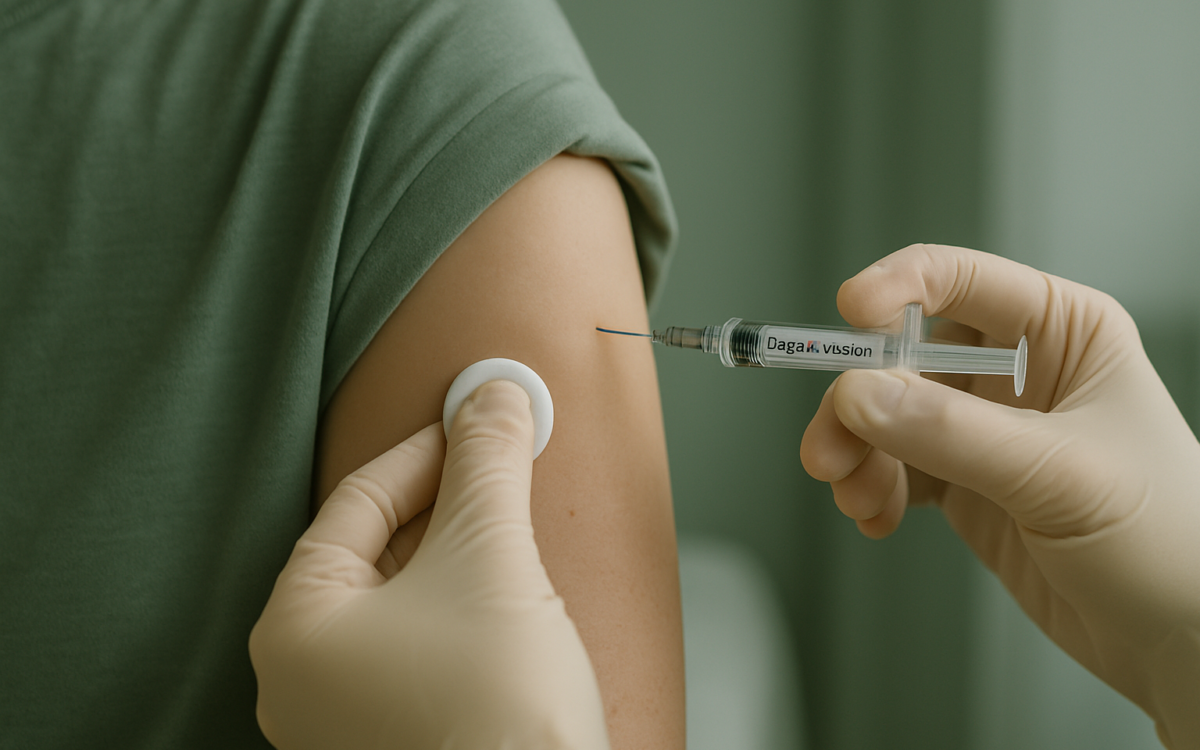
Hepatitis A is a highly contagious liver infection caused by the hepatitis A virus (HAV). It can be contracted through contaminated food and water or by direct contact with an infected person. Fortunately, there is an effective vaccine available that can greatly reduce the risk of infection. Understanding the hepatitis A vaccine schedule for adults is essential for protecting your health and preventing outbreaks in your community.
What is the Hepatitis A Vaccine?
The hepatitis A vaccine helps to protect against HAV infection. The vaccine contains inactivated virus particles, which stimulate the body’s immune system to produce antibodies against the virus without causing the disease. When you receive the vaccine, your body develops memory cells that allow it to respond quickly if you are ever exposed to the actual virus.
Importance of Vaccination
Vaccination against hepatitis A is crucial, especially for certain groups of people, including:
- Travelers to countries where hepatitis A is common.
- Individuals with chronic liver disease.
- Men who have sex with men.
- People who use illegal drugs.
- Anyone who has close contact with an infected person.
Getting vaccinated not only protects you from potential illness but also helps prevent the virus from spreading in the community. Outbreaks of hepatitis A can occur, especially in areas with poor sanitation or where vaccination rates are low. By getting vaccinated, you contribute to public health efforts.
Hepatitis A Vaccine Schedule for Adults
The hepatitis A vaccine is typically administered in a two-dose schedule. Here’s the basic outline:
Initial Dose
The first dose is given at a scheduled visit. This initiates your immune response to the virus.
Second Dose
The second dose should be given 6 to 12 months after the first dose to ensure long-lasting immunity. It is important not to miss this second dose, as it significantly boosts the effectiveness of the vaccine.
Who Should Get Vaccinated?
While many adults may benefit from the hepatitis A vaccine, certain individuals should prioritize getting vaccinated:
- People traveling internationally to areas where hepatitis A is common.
- Individuals who are likely to encounter the virus due to their occupation, such as food handlers and healthcare workers.
- Those with underlying health conditions, particularly liver diseases.
- People living in close quarters, such as prisons or long-term care facilities.
Personal Health Considerations
Before getting vaccinated, it’s important to discuss any health concerns or allergies you may have with your healthcare provider. The vaccine is generally safe but may not be suitable for everyone, particularly for individuals with certain allergies or health conditions. If you are considering getting treatment in Turkey or any other country, it’s also a good idea to consult a local healthcare provider about vaccination options.
Staying Up-to-Date
Vaccination schedules may change based on public health recommendations, and you should stay informed about any updates. Organizations like the CDC provide reliable, up-to-date information about vaccination schedules and recommendations. Regular check-ups with your healthcare provider can help ensure you remain protected against hepatitis A and other diseases.
When to See a Doctor
If you suspect you’ve been exposed to hepatitis A or are experiencing symptoms such as fatigue, nausea, abdominal pain, or jaundice (yellowing of the skin and eyes), it’s essential to consult a healthcare professional. Early intervention can be critical in managing the virus and preventing serious complications.
Additionally, an open discussion with your doctor about vaccination is a good route to understanding whether you should be vaccinated based on your individual health and lifestyle. They can help you assess your risks and provide guidance specific to your situation.
Conclusion
Understanding the hepatitis A vaccine schedule for adults is fundamental for personal health and community well-being. As the hepatitis A vaccine is safe and effective, getting vaccinated reduces the risk of infection and helps control outbreaks. Stay informed and take proactive steps in protecting your health and the health of those around you.
