
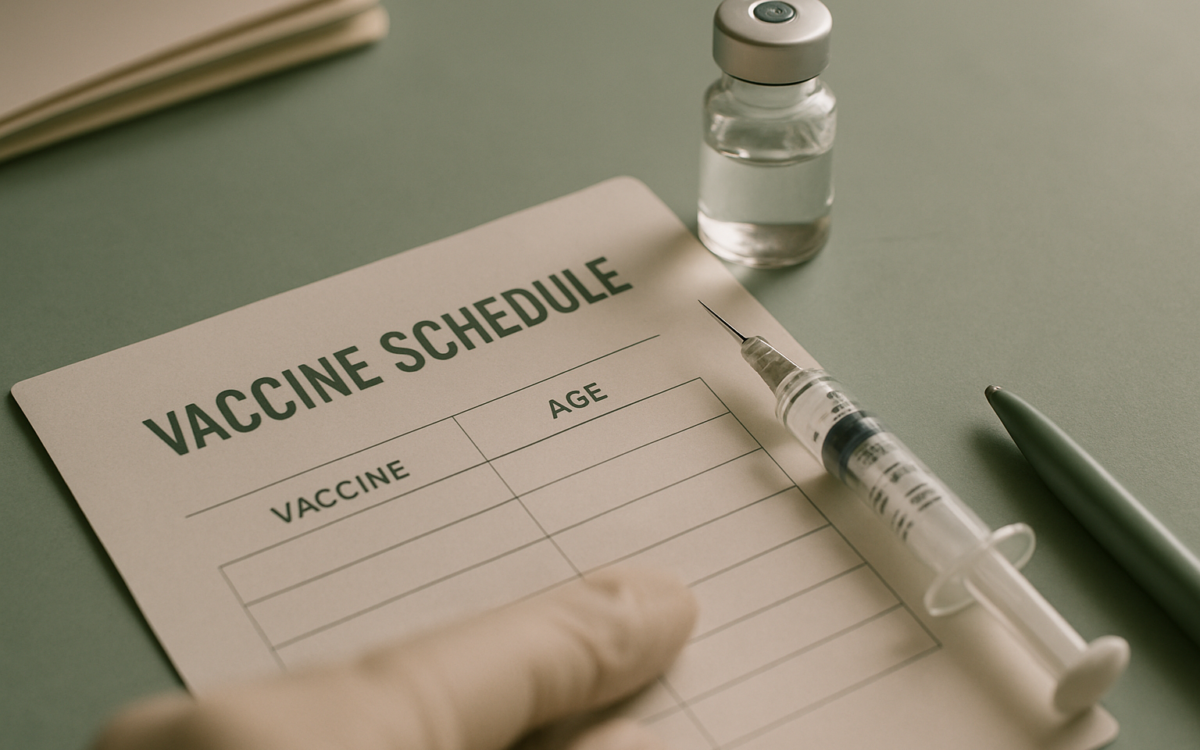
Vaccination is one of the most effective ways to protect your health and the health of your loved ones. In America, the vaccine schedule outlines the timing and types of vaccinations recommended for children and adults. Understanding this schedule can help ensure that you and your family remain safe from preventable diseases.
What is the Vaccine Schedule?
The vaccine schedule is a set of guidelines created to help individuals receive vaccinations at the right time. The schedule includes vaccines that protect against serious diseases, such as measles, mumps, rubella, hepatitis, and influenza. These recommendations are developed by leading health organizations, including the Centers for Disease Control and Prevention (CDC) and the World Health Organization (WHO).
Vaccination for Children
For children, vaccinations generally begin shortly after birth and continue throughout childhood. The CDC provides a comprehensive schedule that includes vaccines for various age groups. Here’s a brief overview:
- Birth to 6 years: Vaccines for hepatitis B, rotavirus, diphtheria, tetanus, pertussis (DTaP), hemophilus influenza type b, pneumococcal conjugate, inactivated poliovirus, and measles, mumps, rubella (MMR).
- 7 to 18 years: Vaccines including those for human papillomavirus (HPV), meningococcal disease, and booster doses for DTaP.
These vaccines are crucial for preventing outbreaks of contagious diseases in schools and communities.
Vaccination for Adults
Vaccines are important not just for children but also for adults. As people age, their immunity to certain diseases may decline. Therefore, keeping up with vaccinations as an adult is essential:
- Booster Shots: Adults should receive booster shots for tetanus and diphtheria every ten years.
- Influenza Vaccine: An annual flu shot is strongly recommended for all adults.
- Shingles Vaccine: Adults age 50 and older should receive the shingles vaccine to prevent this painful condition.
- Pneumococcal Vaccine: Recommended for adults 65 and older or for those with certain health conditions.
Consultation with a healthcare provider can help individuals determine which vaccines are right for them, considering age, health status, and lifestyle.
Importance of Staying Up-to-Date
Staying current with vaccinations is vital for overall health. Vaccines not only protect the individual who receives them but also help create herd immunity, protecting those who cannot be vaccinated, such as newborns or individuals with certain medical conditions. This is especially important in preventing outbreaks of vaccine-preventable diseases.
Public health organizations regularly review and update vaccine schedules to respond to emerging health threats and new evidence about the effectiveness and safety of vaccines. For the most current information on vaccination schedules, refer to resources such as the CDC’s official vaccine schedule page.
Misinformation and Vaccine Safety
In recent years, misinformation about vaccines has spread rapidly, leading some individuals to hesitate in getting vaccinated. Understanding the evidence behind these vaccinations is crucial. Reputable organizations such as the Mayo Clinic and the CDC emphasize that vaccines are extensively tested for safety before being approved for public use.
Additionally, ongoing monitoring continues after vaccines are released to ensure their ongoing safety and effectiveness. The benefits of vaccination in preventing serious illnesses far outweigh the rare risks associated with vaccines.
What Happens If You Miss a Vaccine?
Missing a scheduled vaccine can leave you or your child vulnerable to serious diseases. If a vaccine is missed, it’s important to consult with a healthcare provider to determine the best course of action. They can assist in catching up on missed vaccinations, which often involves administering the vaccine as soon as possible.
Some vaccines may require a specific interval between doses, and catching up is typically straightforward with professional guidance.
When to See a Doctor
If you have concerns about the vaccine schedule, have missed a vaccination, or are experiencing unusual symptoms after vaccination, it’s essential to consult your doctor. They can provide personalized advice and reassure you about vaccination-related questions.
Conclusion
Understanding the vaccine schedule in America is crucial for maintaining good health for you and your family. By staying informed, receiving recommended vaccines on time, and discussing concerns with your healthcare provider, you can help protect yourself and your community from preventable diseases. Remember, the best defense against serious illnesses starts with staying up-to-date on vaccinations.
