
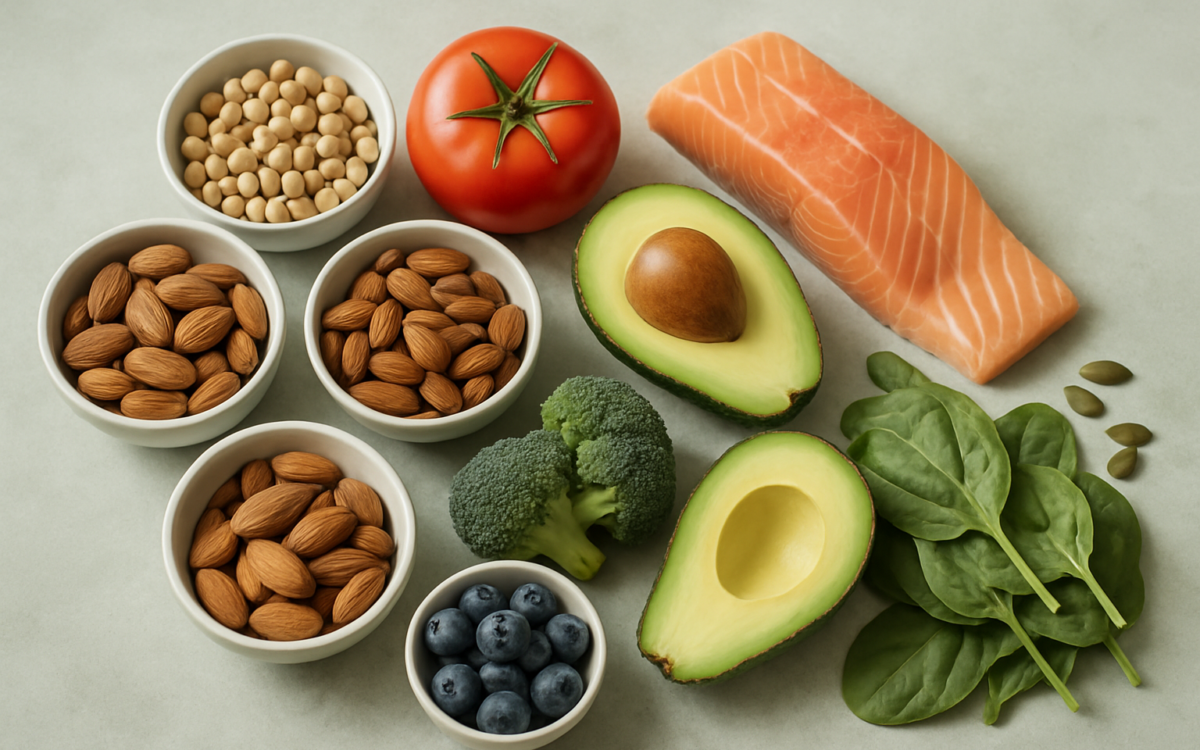
Maintaining prostate health is crucial for men, especially as they age. The prostate gland plays a significant role in male reproductive health, and a balanced diet can support its function. By including certain foods in your diet, you can promote overall well-being and potentially reduce the risk of prostate-related issues. Here are ten of the best foods for prostate health that you might consider incorporating into your meals.
1. Tomatoes
Tomatoes are packed with lycopene, a powerful antioxidant that gives them their red color. Research suggests that lycopene may help reduce the risk of prostate cancer. Eating cooked tomatoes, like those found in sauces or soups, increases the amount of lycopene your body can absorb. Including a variety of tomato-based dishes in your diet can be delicious and beneficial for prostate health.
2. Cruciferous vegetables
Vegetables like broccoli, cauliflower, and Brussels sprouts belong to the cruciferous family. Studies have shown that these veggies contain compounds that may help protect against prostate cancer. They are rich in vitamins and minerals while being low in calories, making them an excellent addition to any diet.
3. Fatty fish
Fatty fish, such as salmon, sardines, and mackerel, are excellent sources of omega-3 fatty acids. These healthy fats have anti-inflammatory properties that can benefit prostate health. Omega-3s may help lower the risk of prostate cancer and improve overall heart health. Aim for at least two servings of fatty fish per week to enjoy these benefits.
4. Nuts and seeds
Nuts and seeds, especially walnuts and flaxseeds, are great for prostate health due to their high levels of omega-3 fatty acids and antioxidants. They provide healthy fats, protein, and fiber. Snacking on a handful of nuts or adding seeds to your meals can be an easy way to improve your diet.
5. Berries
Berries like blueberries, strawberries, and raspberries are also rich in antioxidants, which help reduce oxidative stress in the body. Some studies indicate that regularly consuming berries may support prostate health and even lower the risk of cancer. Consider adding them to smoothies, yogurt, or as a refreshing snack.
6. Whole grains
Whole grains such as brown rice, quinoa, and whole wheat bread are packed with fiber and essential nutrients. A high-fiber diet can help maintain a healthy weight and may reduce the risk of prostate cancer. Swap out refined grains for whole grains to maximize these health benefits in your meals.
7. Green tea
Green tea is noted for its numerous health benefits, largely due to its rich content of polyphenols and antioxidants. Some studies suggest that regular consumption of green tea may lower the risk of prostate cancer. Enjoy a cup of green tea daily for an antioxidant boost that could support prostate health.
8. Garlic
Garlic is not only a tasty ingredient but also a functional food that may benefit prostate health. It contains sulfur compounds that have been linked to a reduced risk of certain cancers, including prostate cancer. Incorporating garlic into your meals can also enhance flavor while providing health benefits.
9. Pomegranate
Pomegranate is becoming increasingly recognized for its health benefits, particularly in prostate health. Some research suggests that pomegranate juice may help slow the progression of prostate cancer. Including fresh pomegranate seeds in salads or enjoying its juice can be delicious ways to incorporate this nutrient-rich fruit into your diet.
10. Olive oil
Extra virgin olive oil is celebrated for its heart-healthy benefits and has anti-inflammatory properties. Rich in monounsaturated fats and antioxidants, olive oil may help reduce the risk of prostate issues. Consider using olive oil as your primary cooking oil or for drizzling on salads to enhance flavor and health.
Conclusion
Incorporating these ten foods into your diet may support prostate health and overall well-being. While this list can guide healthy eating choices, remember that each person’s dietary needs are unique. It’s always important to consult with your doctor or a nutritionist before making significant changes to your diet, especially regarding health concerns.
When to see a doctor
If you experience symptoms such as frequent urination, blood in urine, or discomfort in the pelvic area, it is vital to see a healthcare professional. Routine check-ups and discussions about diet and prostate health with your doctor can help identify potential issues early.
