
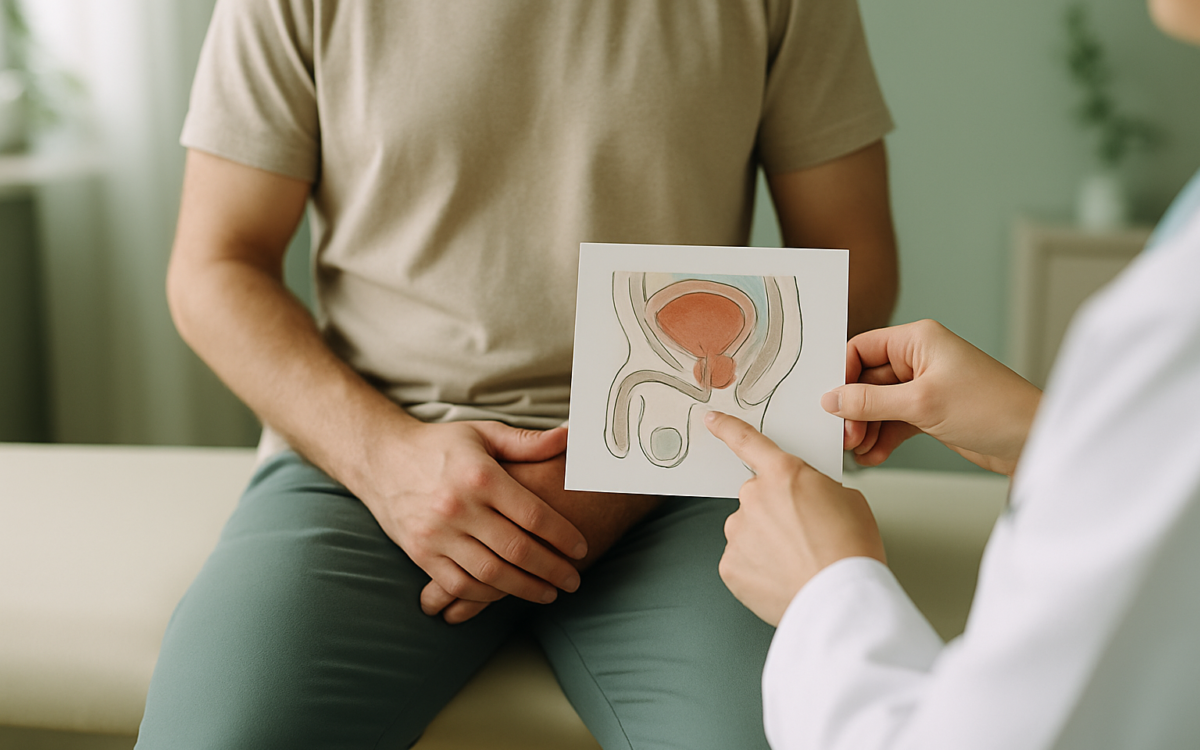
The prostate is a small gland that plays a key role in male reproductive health. However, many men are unfamiliar with its location and function. Understanding where the prostate is and what it does is essential for overall health and well-being. In this article, we will explore the anatomy of the prostate, its functions, health issues associated with it, and when to seek medical advice regarding prostate health.
Where is the prostate located?
The prostate gland is located just below the bladder and in front of the rectum. It wraps around the urethra, the tube that carries urine out of the body. Its position means that it is easily accessible for medical examinations and procedures. The prostate is about the size of a walnut and can change in size during different stages of a man’s life.
The function of the prostate
The primary function of the prostate is to produce seminal fluid, which nourishes and transports sperm. This fluid makes up a significant portion of the semen, contributing to male fertility. Additionally, the prostate gland plays a role in the ejaculation process, contracting to release semen during sexual climax. Beyond reproduction, the prostate also produces substances that help protect sperm and support their mobility.
Health issues related to the prostate
As men age, they may encounter various health issues related to the prostate. Some common conditions include:
- Benign Prostatic Hyperplasia (BPH): This is a non-cancerous enlargement of the prostate that can lead to urinary difficulties.
- Prostatitis: This includes inflammation of the prostate, which can cause pain and discomfort, affecting urination and sexual function.
- Prostate cancer: This is one of the most common cancers among men. Early detection is crucial for effective treatment.
Due to the prostate’s role in various significant health concerns, regular check-ups and awareness of the symptoms associated with these conditions are important.
How to maintain prostate health
Maintaining prostate health involves several lifestyle choices. Here are a few strategies:
- Regular Check-ups: Consult your healthcare provider about routine prostate exams and screening tests, especially if you are over 50 or have a family history of prostate issues.
- Healthy Diet: Eating a balanced diet rich in fruits, vegetables, whole grains, and healthy fats can promote prostate health. Mayo Clinic suggests that certain foods, like tomatoes and cruciferous vegetables, may have protective effects against prostate issues.
- Staying Active: Regular exercise helps maintain a healthy weight and can lower the risk of prostate problems.
If considering international treatment options, there’s a growing interest in treatment in Turkey, where advanced medical facilities and techniques are available for prostate health issues.
Signs and symptoms of prostate problems
Being aware of the signs and symptoms of prostate problems can lead to early diagnosis and treatment. Common symptoms include:
- Difficulty starting or stopping urination
- Frequent urination, especially at night
- Pain during urination or ejaculation
- Blood in urine or semen
If you experience any of these symptoms, it’s crucial to consult a healthcare professional for evaluation.
When to see a doctor
It’s important to schedule regular check-ups with your doctor, especially if you are experiencing symptoms related to the prostate. Consult your healthcare provider if you notice any changes in urinary habits, persistent pain, or any concerning symptoms. They can provide guidance and determine if further testing or evaluation is necessary.
Understanding the prostate’s location and function is vital for men’s health. By being proactive about prostate health through regular check-ups and a healthy lifestyle, men can take important steps toward maintaining their overall well-being.
