
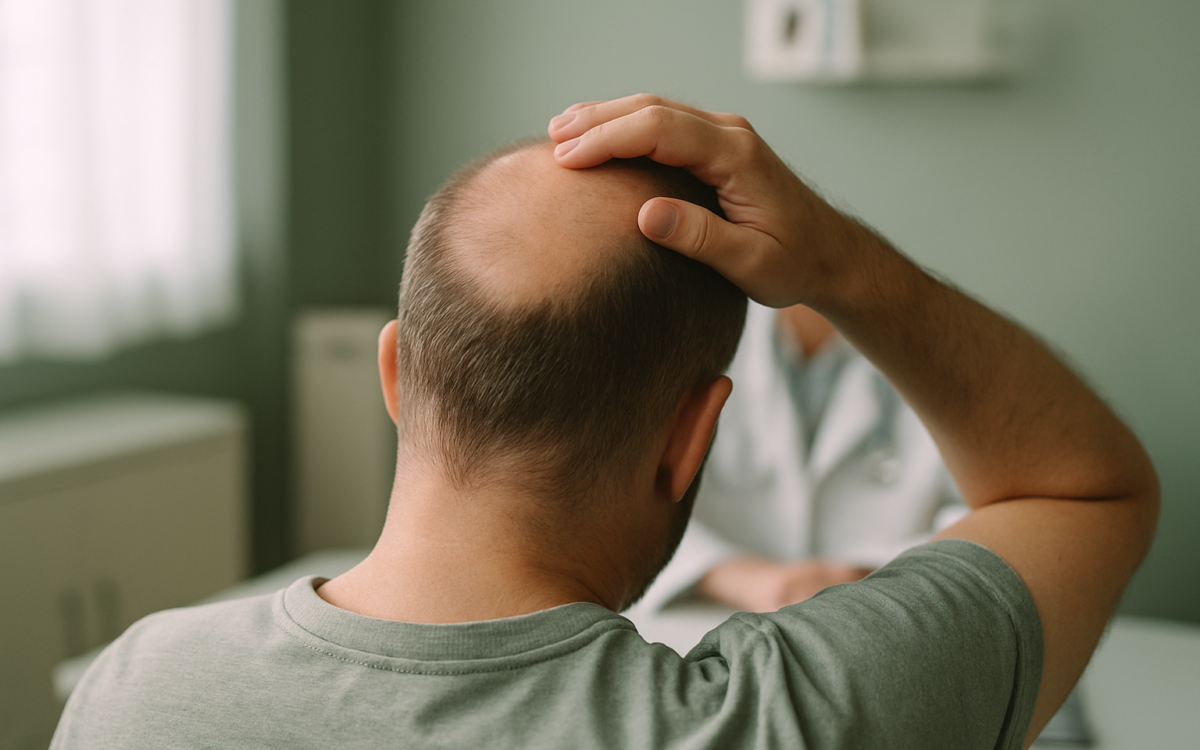
Many men worry about hair loss as they age, but few connect this concern with levels of testosterone in their bodies. In recent years, research has increasingly focused on the connection between low testosterone and hair loss, unveiling a complex relationship that may affect many men. If you’re experiencing thinning hair or bald patches, you may wonder if low testosterone is the culprit.
What is Testosterone?
Testosterone is a hormone primarily produced in the testicles. It plays a crucial role in developing male physical features, including muscle and bone strength, and it even influences mood and energy levels. While testosterone is often called a “male hormone,” women have it too, just in smaller amounts. Hormone levels change naturally with age, but significant drops can lead to various health issues.
How Low Testosterone Affects the Body
When testosterone levels fall below the normal range, it can lead to various symptoms, including fatigue, reduced sex drive, mood changes, and even physical changes like weight gain and loss of muscle mass. For men, one of the less discussed effects of low testosterone is its potential role in hair loss.
Can Low Testosterone Cause Hair Loss?
The connection between low testosterone and hair loss arises primarily from the hormonal imbalance that affects hair follicle function. Testosterone is converted into a more potent hormone called dihydrotestosterone (DHT) in the body. DHT plays a key role in the development of male pattern baldness. When testosterone levels dip, this balance can be disrupted, potentially leading to increased hair thinning or loss.
Interestingly, while many associate hair loss with low testosterone, some men may experience hair loss even when testosterone levels are within the normal range. This indicates that other factors may be involved, including genetics, health conditions, and lifestyle choices.
Other Causes of Hair Loss in Men
Understanding that low testosterone may be one part of the puzzle is essential. There are several other contributors to hair loss in men:
- Genetics: Male pattern baldness is largely hereditary, with family history significantly influencing the likelihood of hair loss.
- Stress: Both physical and emotional stress can trigger hair loss. Conditions like telogen effluvium can occur, where stress pushes hair follicles into a resting phase.
- Medical Conditions: Hormonal disorders, autoimmune diseases, and thyroid issues can also impact hair growth.
- Nutrition: A lack of essential nutrients, such as iron, protein, and vitamins, can lead to hair loss.
If you are considering treatment for hair loss linked to low testosterone, there are options available. Testosterone replacement therapy may help restore hormone levels and improve symptoms, including hair growth in some cases. However, it’s crucial to discuss the benefits and risks with your healthcare provider.
Exploring Treatment Options
For men seeking solutions to hair loss related to low testosterone, options vary widely. Traditional treatments include medications like minoxidil or finasteride. Additionally, lifestyle changes such as a balanced diet, exercise, and stress management can help improve hair health.
If you’re looking for international perspectives on treatment, Acibadem International offers treatment options that integrate advanced medical practices and personalized care. Engaging with specialists who understand the global approaches to hormonal therapies may provide valuable insights.
Myths About Testosterone and Hair Loss
There are several myths regarding testosterone and hair loss that deserve clarification:
- Myth 1: Testosterone causes baldness. While an imbalance may contribute to hair loss, many factors play a role.
- Myth 2: All men with low testosterone experience hair loss. Many men do not notice significant changes despite having low hormone levels.
- Myth 3: Hair will grow back after testosterone therapy. Results can vary, and hair regrowth is not guaranteed for everyone.
When to See a Doctor
If you’re experiencing unexplained hair loss along with symptoms like fatigue, low libido, or mood swings, it may be time to consult a healthcare provider. They can assess your hormone levels, discuss potential underlying causes, and recommend appropriate treatments.
Conclusion
Low testosterone can be one of many factors contributing to hair loss in men. Understanding the connection between these two issues is crucial for managing symptoms effectively. Always approach treatment options and concerns with the guidance of a healthcare professional to find the best route for restoring your health and confidence.
