
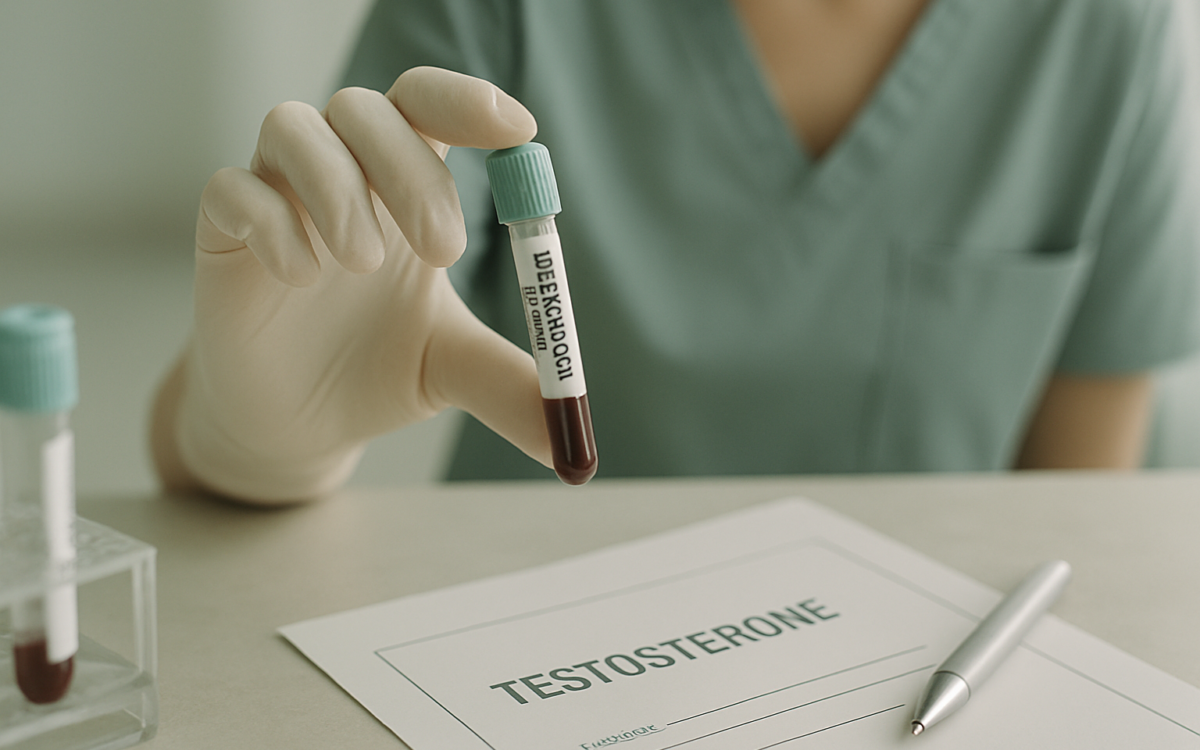
Testosterone plays a crucial role in men’s health, affecting everything from energy levels to mood and sexual function. The LabCorp testosterone test is a common way to measure testosterone levels in the blood. But what does this test entail, and why should it matter to you? In this article, we will explore the testing process, interpret the results, and understand when you should consider a check-up.
What is the LabCorp testosterone test?
The LabCorp testosterone test is a laboratory examination that measures the amount of testosterone in your bloodstream. Testosterone is a hormone produced primarily in the testes for men and in smaller amounts in women’s ovaries and adrenal glands. The levels of testosterone can vary based on sex, age, and individual health conditions. LabCorp, a leading provider of laboratory testing, conducts this test to help detect hormonal imbalances.
Why is testosterone testing important?
Testosterone levels can affect many areas of health, including:
- Energy Levels: Low testosterone might lead to chronic fatigue or reduced physical strength.
- Mood Changes: Hormonal imbalances can contribute to feelings of depression or irritability.
- Sexual Health: Low testosterone is often associated with sexual dysfunction and decreased libido.
- Bone Density: Testosterone is essential for maintaining bone health; low levels can lead to osteoporosis.
Understanding your testosterone levels can lead to better health management, especially if you are experiencing symptoms related to low hormone levels. More information related to the importance of testosterone can be found in sources like the National Institutes of Health.
How is the LabCorp testosterone test performed?
The procedure for the test is relatively straightforward:
- Preparation: You may be advised to fast for a brief period before testing, usually overnight. This can help improve test accuracy, particularly for free testosterone levels.
- Sample Collection: A healthcare professional will take a small blood sample—this is typically done by inserting a needle in your arm.
- Laboratory Analysis: Your blood sample will be sent to LabCorp, where advanced methods will analyze the levels of total testosterone and possibly free testosterone (the hormone available for use in the body).
Understanding Your Test Results
Once the laboratory has processed your testosterone levels, you will receive the results, usually expressed in nanograms per deciliter (ng/dL). Normal ranges may vary but typically fall between:
- 300 to 1,000 ng/dL: This is considered the normal range for adult men.
- Below 300 ng/dL: Levels under this range may indicate low testosterone or hypogonadism.
It’s essential to discuss your results with your doctor, who can interpret these numbers in the context of your overall health. Remember, one test alone may not provide a complete picture; doctors often recommend multiple tests to confirm low testosterone levels. You can learn more about interpreting hormone levels from reputable sources like the Mayo Clinic.
Potential Causes of Low Testosterone
If your testosterone levels are found to be low, various factors could be at play, including:
- Age: Testosterone levels naturally decline as men age, often starting around age 30.
- Health Conditions: Chronic illnesses like diabetes, obesity, and hypopituitarism can contribute to lower testosterone levels.
- Medications: Some drugs, including certain pain medications and steroids, can affect hormone production.
- Lifestyle Factors: Stress, lack of exercise, and poor diet may also impact your hormone levels.
Treatment Options for Low Testosterone
If you are diagnosed with low testosterone, various treatment options may be available:
- Lifestyle Changes: Regular exercise, a balanced diet, and weight management can naturally boost testosterone levels.
- Hormone Replacement Therapy (HRT): Your doctor may recommend testosterone therapy to bring levels back to a normal range. This could be through gels, injections, or patches, but it comes with potential risks and side effects.
- Management of Underlying Conditions: Addressing health issues like obesity or diabetes may help improve testosterone levels.
It’s vital to have an open dialogue with your healthcare provider when considering treatment options. They can help determine the best plan based on your individual needs.
When to see a doctor
If you experience symptoms that concern you, such as extreme fatigue, mood swings, or diminished sexual drive, it might be time to consult a healthcare professional. They can evaluate your symptoms and determine if a LabCorp testosterone test or other evaluations are necessary.
Conclusion
The LabCorp testosterone test is essential in understanding your hormone health, especially for men experiencing symptoms associated with low testosterone. Regular testing can provide insights into your body’s hormonal balance and help guide necessary treatment when needed. Always remember, discussing any concerns with your doctor is the best way to ensure the right steps are taken toward optimal health.
