
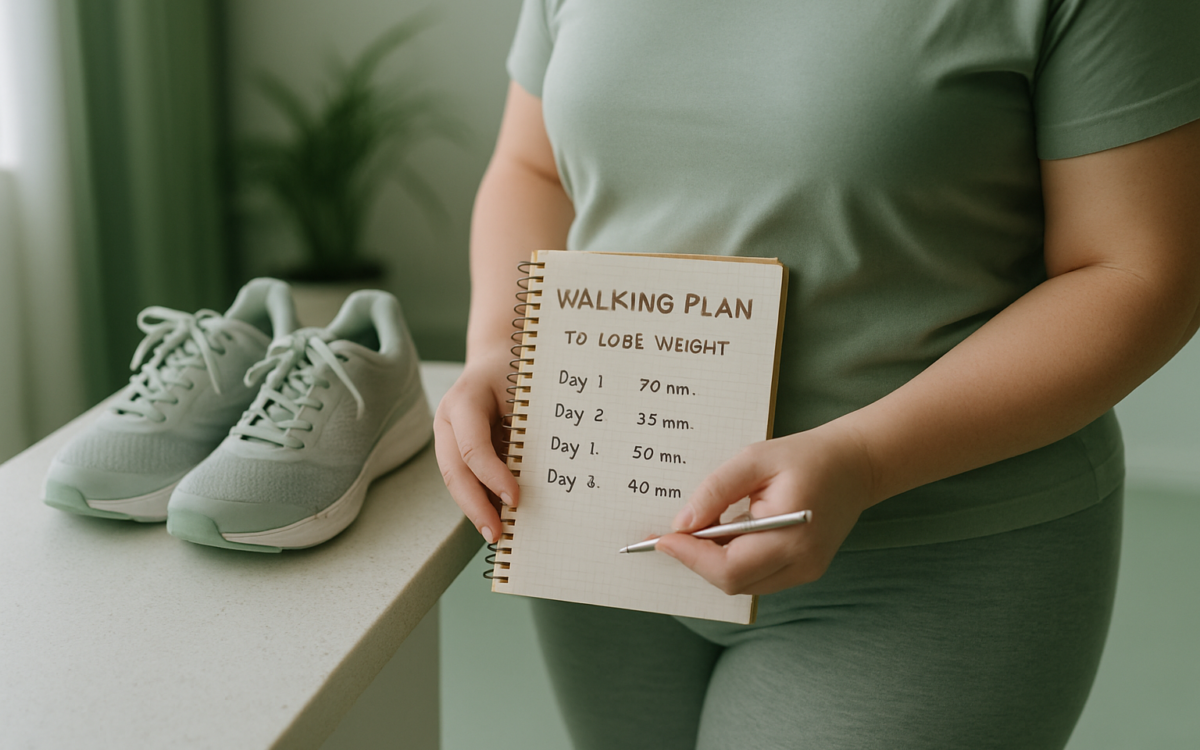
Walking might seem simple, yet it’s one of the most effective forms of exercise to help you lose weight and improve your overall health. Many people overlook it as a legitimate workout, but research shows that consistent walking can lead to significant weight loss and fitness benefits. Whether you’re just starting your fitness journey or looking to enhance your current routine, a well-structured walking plan can make all the difference.
Understanding the Benefits of Walking for Weight Loss
Walking doesn’t just burn calories; it also enhances your cardiovascular health, strengthens your bones, and boosts your mood. According to the CDC, regular walking can reduce the risk of heart disease and improve mental health, making it a valuable tool for those looking to shed pounds. The best part? You don’t need a gym membership or expensive equipment—just a good pair of walking shoes.
Creating Your Walking Plan
To start losing weight through walking, you’ll need a structured plan. Here’s a straightforward approach:
- Set Clear Goals: Decide how much weight you want to lose and set a realistic timeline. Aim for a healthy pace of losing 1-2 pounds per week.
- Choose Your Walking Schedule: Dedicate time each week for walking. Aim for at least 150 minutes of moderate-intensity walking per week (that’s about 30 minutes on most days).
- Vary Your Routes: Keep things interesting by choosing different walking routes. Explore parks, neighborhoods, or trails to maintain motivation.
- Focus on Pace: Start slow, and as you build stamina, gradually increase your pace. Aim for brisk walking, where you can still talk but would struggle to sing.
- Track Your Progress: Consider using a pedometer or a fitness app to monitor your daily step count and walking time.
Integrating Walking into Your Daily Routine
For many, finding time to walk can be challenging. Here are some tips to help you incorporate walking into your busy life:
- Walk During Breaks: Use your breaks at work to take short walks. Even 10 minutes can make a difference.
- Park Further Away: When driving, park farther from your destination to increase your step count.
- Walk with a Friend: Bring a friend along for your walks. It keeps you motivated and makes exercise more enjoyable.
- Consider Structured Programs: If you’re looking to travel or explore international treatments, check out resources like acibademinternational.com for guidance on health programs that include physical activity and walking as part of treatment plans.
Staying Motivated on Your Walking Journey
Staying motivated is key to sticking with your walking plan. Here are some strategies to maintain your excitement:
- Set Mini-Challenges: Create personal challenges, such as a daily step goal to reach at least 10,000 steps per day.
- Reward Yourself: Establish rewards for achieving milestones, like treating yourself to new workout gear or exploring a new walking trail.
- Join a Walking Group: Find or create a walking group in your community for added motivation and accountability.
Listening to Your Body
As with any exercise routine, it’s essential to listen to your body. If you experience pain or discomfort while walking, reduce the intensity, rest, or switch up your routine. Here are a few tips:
- Warm-Up: Always start with a few minutes of stretching or a slower-paced warm-up walk.
- Wear Proper Footwear: Invest in a good pair of walking shoes to provide proper support and reduce injury risk.
- Be Mindful of Your Health: If you have any pre-existing conditions or concerns, it’s wise to consult a doctor before starting a new exercise program.
When to See a Doctor
If you experience persistent pain, unusual shortness of breath, or other concerning symptoms, consult a healthcare professional. Regular check-ups can also help monitor your weight loss journey and overall health progress.
Walking is a simple yet powerful way to enhance your health and lose weight. By sticking to a structured walking plan, integrating it into your daily life, and listening to your body’s needs, you can achieve your weight loss goals and improve your well-being. Remember, every step counts—so start walking today for a healthier tomorrow.
