
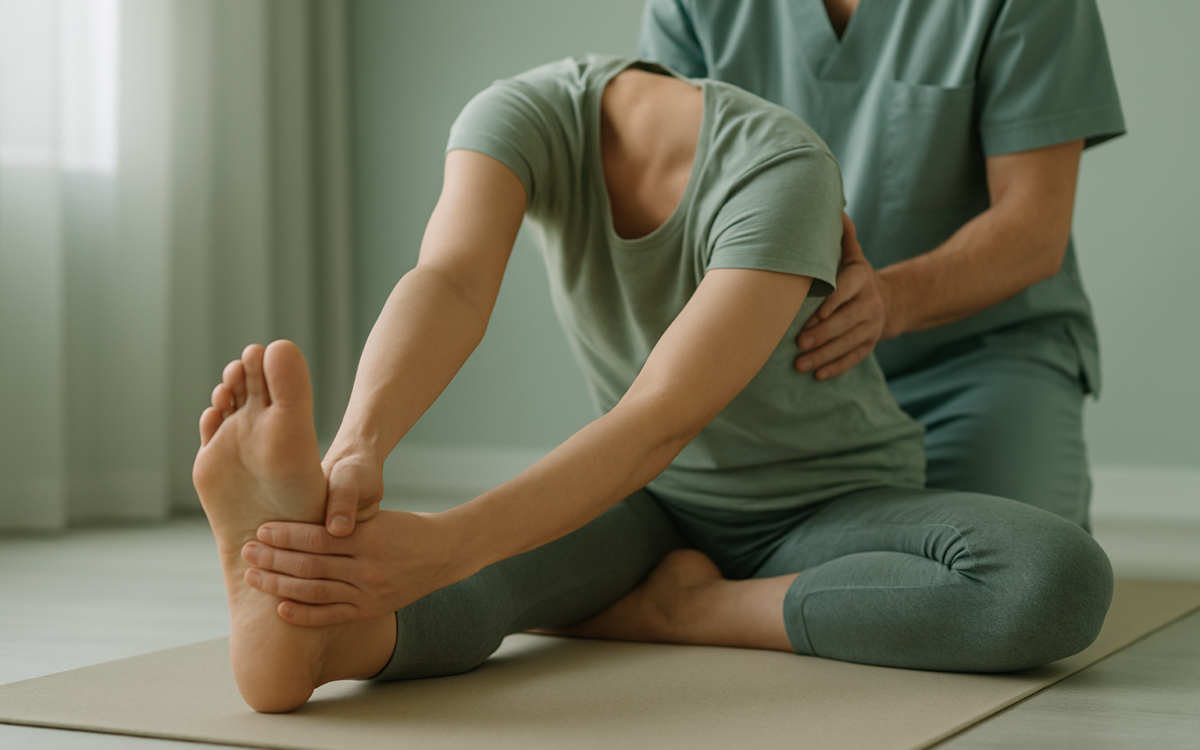
In today’s fast-paced world, staying active and maintaining flexibility is essential for overall well-being. Flexible stretching is a key practice that can help us achieve enhanced mobility, prevent injuries, and enjoy a more active lifestyle. Unlike static stretching, which focuses on holding stretches for a specific duration, flexible stretching emphasizes a dynamic range of motion through various movements. This approach caters to people of all ages and fitness levels, making it an excellent addition to any workout routine.
What Is Flexible Stretching?
Flexible stretching involves movements that promote flexibility through active engagement of muscles, promoting a full range of motion. This type of stretching often incorporates dynamic techniques, where the individual moves parts of the body to gradually improve muscle flexibility, control, and strength.
Common examples of flexible stretching include:
- Leg swings
- Arm circles
- Lunges with torso twists
- Hip circles
The Benefits of Flexible Stretching
Incorporating flexible stretching into your routine provides several benefits:
Enhances Mobility
One of the main advantages of flexible stretching is improved mobility. Increased flexibility allows for better movement patterns, making everyday activities easier and reducing the risk of strains and sprains. Better mobility can help in athletic performance as well, enabling you to move more fluidly during your sports endeavors.
Reduces the Risk of Injuries
Flexible stretching helps warm up your muscles before physical activity, which can reduce the likelihood of injuries. According to the National Institutes of Health, using dynamic stretching, like those in flexible stretching routines, can significantly prepare your muscles for the stress of exercise. Not only does it enhance flexibility, but it also promotes better muscular coordination.
Improves Posture and Alignment
Incorporating flexible stretching into your daily routine can help with posture, especially for individuals who spend long hours sitting. Stretching the muscles that typically become tight from prolonged sitting can lead to improved alignment. This is essential for maintaining a healthy spine and preventing discomfort or pain in the back and neck.
Supports Mental Well-Being
Flexible stretching is not just about physical benefits; it can also enhance mental well-being. Engaging in a stretching routine can serve as a form of meditation, allowing you to focus on your breath and relieve stress. The calming effect of stretching can improve mood and promote relaxation, making it an excellent practice for overall health.
When to Incorporate Flexible Stretching
Flexible stretching can be included at various points throughout your day:
- Before Workouts: Use flexible stretching to warm up your muscles and prepare them for more intense activity.
- After Workouts: Incorporate it as part of your cool-down routine to aid recovery.
- Throughout the Day: Take short breaks to involve flexible stretching during long periods of sitting, particularly if you work at a desk.
If you’re an athlete or you’re planning to visit a gym, consider consulting with a fitness trainer who can tailor a flexible stretching routine to your specific needs or goals.
For those considering international treatments or rehabilitation programs, flexible stretching can be an integral part of recovery. Facilities offering international patient services often include physical therapy programs that emphasize flexibility and mobility enhancement.
Different Techniques of Flexible Stretching
Here are some popular techniques you can try:
DYNAMIC STRETCHING
This technique involves controlled movements that take your muscles and joints through their full range of motion. Example: Leg swings where you swing one leg forward and backward while holding onto a wall for balance.
CAR (Controlled Articular Rotations)
CAR exercises focus on moving your joints through their full range of motion, improving flexibility and stability. For instance, you can perform shoulder cars by moving your arm in circles, ensuring to engage the surrounding muscles.
YOGA FLOWS
Many yoga styles incorporate flexible stretching principles. Practicing flow sequences, like sun salutations, can help improve flexibility while also enhancing breath control.
PILATES
Pilates emphasizes controlled, fluid movements to enhance core strength and flexibility. It’s excellent for anyone looking to balance strength and flexibility.
When to See a Doctor
If you experience persistent pain while stretching or notice unusual discomfort after engaging in flexible stretching, it’s essential to consult a healthcare provider. Discomfort may indicate an underlying issue or injury that requires attention. Always consult your doctor before starting any new exercise program, particularly if you have existing health conditions or injuries.
Conclusion
Flexible stretching offers an array of benefits for everyone, from casual exercisers to serious athletes. By incorporating flexible stretching into your routine, you can enhance your mobility, reduce your risk of injury, improve your posture, and support your mental well-being. Remember that listen to your body, start slowly, and enjoy the transformative effects of flexible stretching.
