
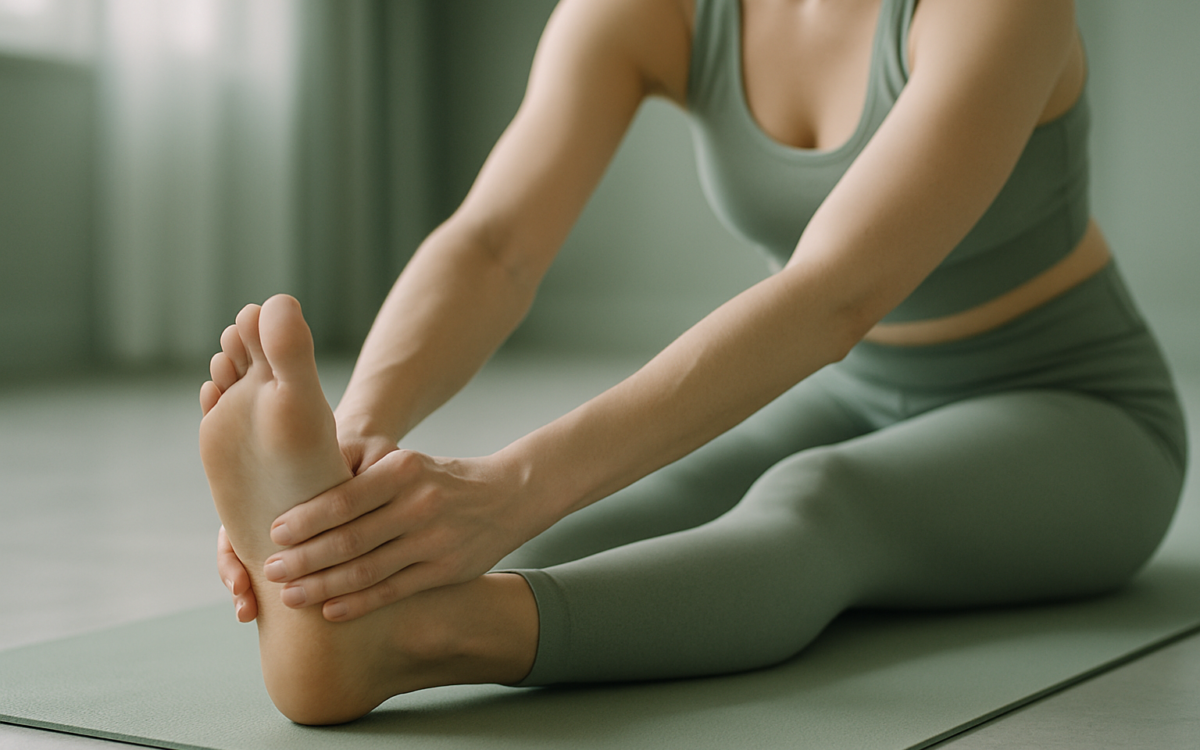
When we think about fitness, we often picture weightlifting or cardio sessions. However, an equally important—and often overlooked—aspect of fitness is flexibility. Training to be flexible enhances your overall performance and well-being. This article explores what flexibility is, its benefits, and effective training methods to help you achieve a more flexible body.
Understanding Flexibility
Flexibility refers to the range of motion in our joints and muscles. It varies from person to person and can be influenced by several factors, including age, gender, and physical activity level. While some people may naturally be more flexible than others, everyone can benefit from working on their flexibility.
The Benefits of Flexibility
Training to be flexible offers numerous health benefits:
- Improved Performance: Increased flexibility can enhance athletic performance, allowing you to execute movements with greater ease.
- Injury Prevention: A flexible body is less prone to injuries. Stretching improves coordination and balance, making you less likely to strain or sprain muscles.
- Better Posture: Flexibility in specific muscle groups can help correct postural imbalances, leading to less discomfort and fatigue.
- Enhanced Recovery: Stretching post-workout can aid in the recovery process by increasing blood flow to muscles.
- Stress Relief: Flexibility training, particularly through practices like yoga, can promote relaxation and reduce stress levels.
Types of Flexibility Training
There are several methods to train for flexibility, each with its unique approach:
Static Stretching
This technique involves stretching a muscle to its farthest point and holding that position for 15-60 seconds. It is best performed after workouts when muscles are warm. Examples include hamstring stretches and quadriceps stretches.
Dynamic Stretching
Dynamic stretching incorporates movement to gradually increase muscle temperature and improve range of motion. It can be used as part of a warm-up routine. Common dynamic stretches include walking lunges and arm circles.
Proprioceptive Neuromuscular Facilitation (PNF)
PNF stretching is a more advanced technique that involves both stretching and contracting the muscle group being targeted. It often requires a partner and is effective for increasing flexibility.
How to Create a Flexibility Training Routine
Creating a flexibility training routine is simple and can be tailored to fit your individual needs.
- Set Goals: Determine what you want to achieve. Are you looking to improve athletic performance or reduce discomfort? Setting specific goals can help you stay focused.
- Start Slow: If you’re new to stretching, avoid pushing your body too hard. Start with gentle movements and gradually increase intensity.
- Incorporate Different Styles: Mix static, dynamic, and PNF stretching to keep your routine fresh and engaging.
- Schedule Regular Sessions: Aim to stretch at least 2-3 times a week. Consistency is key to improving flexibility.
- Listen to Your Body: Pay attention to how your body feels during stretching. If you experience pain, ease off the intensity to avoid injury.
Tips for Effective Flexibility Training
Here are some additional tips to make your flexibility training more effective:
- Warm Up First: Always warm up your muscles for 5-10 minutes before stretching. This can involve light cardio, such as jogging or brisk walking.
- Focus on Your Breath: Breathing deeply while stretching can help you relax and improve your range of motion.
- Stay Hydrated: Proper hydration aids muscle function and improves the effectiveness of your flexibility training.
- Be Patient: Flexibility takes time to develop. Celebrate your progress, no matter how small.
When to See a Doctor
If you experience persistent pain or discomfort while stretching, or if you have any underlying health concerns, it’s a good idea to consult a healthcare professional. They can assess your situation and provide personalized recommendations.
Conclusion
Training to be flexible is an essential component of overall health and fitness. By incorporating flexibility exercises into your routine, you can enhance your performance, prevent injuries, and improve your quality of life. Remember to start slow, practice regularly, and listen to your body as you embark on your flexibility journey.
