
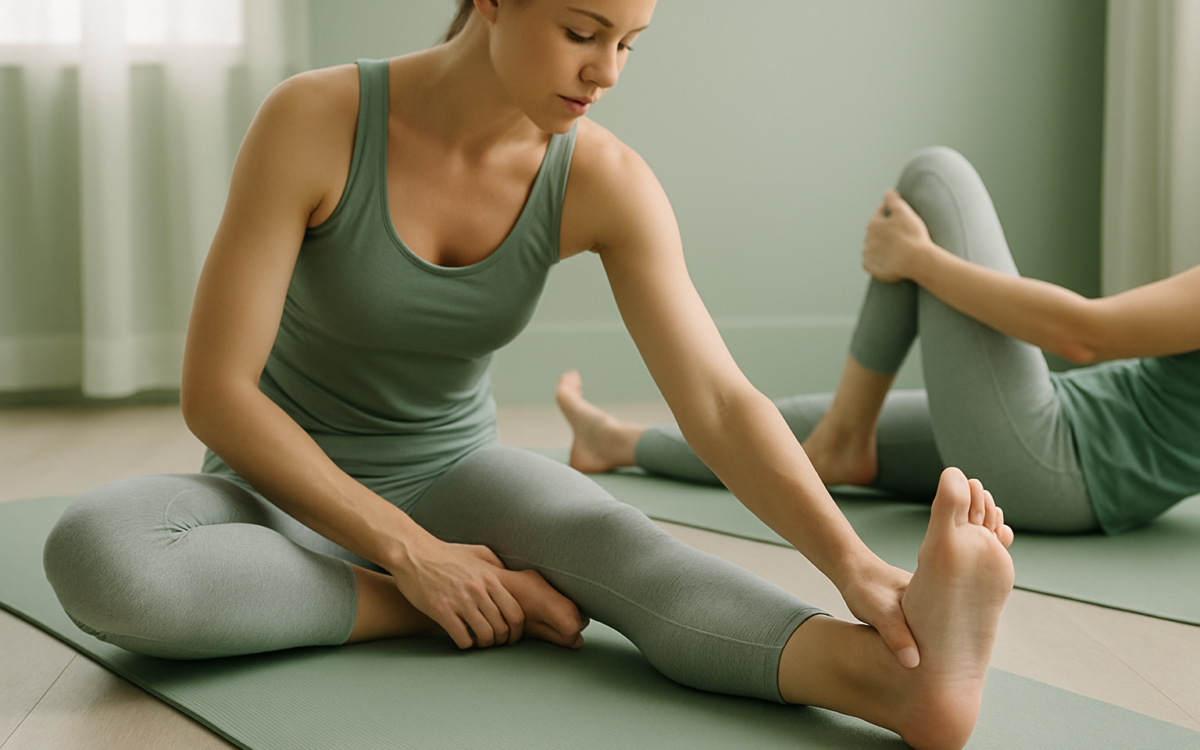
Stretching is an essential part of any fitness routine. It helps improve flexibility, enhances athletic performance, and can reduce the risk of injury. However, not all stretches are created equal. Different types of stretches serve different purposes and are suited for different activities or times. In this article, we’ll explore the various types of stretches, helping you understand which ones might work best for your fitness goals.
1. Static Stretching
Static stretching involves holding a position for a set period, usually 15 to 60 seconds, to stretch a specific muscle group. This type of stretching is most effective when performed after a workout, as it helps to relax muscles, improve flexibility, and promote recovery.
Benefits of Static Stretching
- Enhances muscle flexibility
- Increases blood flow to muscles
- Improves overall posture
Examples of static stretches include hamstring stretches, quadriceps stretches, and shoulder stretches. Each focuses on a particular muscle group and encourages relaxation.
2. Dynamic Stretching
Dynamic stretching involves moving parts of your body through a full range of motion. This type of stretching is generally best performed before a workout, as it helps warm up the muscles and prepare them for more vigorous activity.
Benefits of Dynamic Stretching
- Improves coordination and balance
- Increases muscle temperature
- Enhances athletic performance
Common dynamic stretches include leg swings, arm circles, and high knees. These movements not only stretch your muscles but also help to activate and engage them, preparing you for physical exertion.
3. Ballistic Stretching
Ballistic stretching is a more advanced form of stretching that uses momentum to force a body part beyond its normal range of motion. Unlike static or dynamic stretching, it can involve bouncing or jerking movements, making it riskier and less recommended for the average person.
Risks and Considerations
- Increased risk of injury
- Not suitable for beginners
- Should be supervised by a professional
Ballistic stretching can be beneficial for athletes who are training for specific sports or activities that require a high degree of flexibility. However, caution is advised, and it’s best performed under guidance.
4. Proprioceptive Neuromuscular Facilitation (PNF) Stretching
PNF stretching is an advanced technique that involves both stretching and contracting the muscle group being targeted. It usually requires a partner to assist in the stretching process, but it can also be done using a wall or pole.
How PNF Works
- Stretching the muscle.
- Contracting the muscle against resistance.
- Relaxing the muscle and stretching it further.
This method can significantly enhance flexibility and is often used in physical therapy settings. Studies have shown that PNF can lead to greater improvement in range of motion compared to static stretching alone (NIH).
5. Active Stretching
Active stretching involves holding a position using only the strength of your muscles. For example, lifting your leg high without assistance and holding it in that position is a classic active stretch.
Benefits of Active Stretching
- Builds strength while improving flexibility
- Encourages muscle engagement
- Enhances joint stability
Active stretching can be beneficial for athletes as it helps them develop control over their movements while promoting flexibility. It’s particularly useful for sports that require a high level of coordination and movement quality.
6. Passive Stretching
Passive stretching involves using an external force, such as a partner, a tool, or gravity, to stretch the muscle. This technique allows you to relax and let the external force do the work.
Advantages of Passive Stretching
- Can alleviate tension in tight muscles
- Promotes relaxation and stress relief
- Useful in rehabilitation settings
Examples include using a strap to assist in a hamstring stretch or a partner pushing your leg toward your chest. Both provide a gentle stretch while reducing the risk of overstretching or injury.
When to See a Doctor
If you experience consistent pain while stretching or if you have a pre-existing condition that affects your joints or muscles, it’s wise to consult a healthcare professional. Persistent pain can often indicate an underlying issue that needs medical attention. For further information, consider visiting Mayo Clinic or talking with your doctor.
Integrating stretching into your routine can yield significant benefits for flexibility, movement quality, and overall health. Understanding the different types of stretches allows you to select the most appropriate methods for your goals and capabilities, leading to a more effective and enjoyable fitness experience.
