
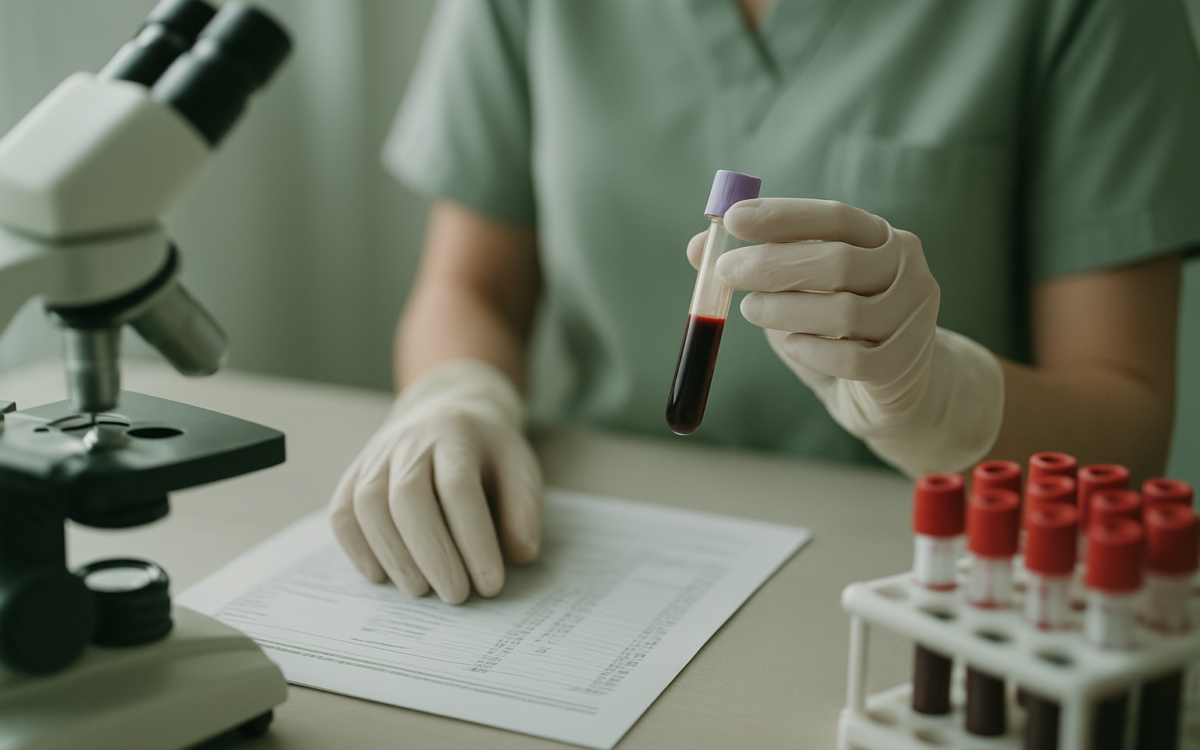
When it comes to detecting cancer, many people think of imaging tests like X-rays or MRIs. However, blood work is emerging as an important method for early diagnosis. Understanding how blood tests can help in detecting cancer can empower patients and their families in making informed healthcare decisions. Let’s dive into what you need to know.
What Is Cancer Detection in Blood Work?
Blood work involves drawing blood from a person and analyzing it in a laboratory. Various tests can measure different aspects of blood, such as the number and health of blood cells, levels of specific proteins, and the presence of certain substances that could indicate cancer. While not all cancers can be detected through blood tests alone, they can provide essential clues that lead to further investigation.
Common Blood Tests Used in Cancer Detection
- Complete Blood Count (CBC): This test checks for the number of red blood cells, white blood cells, and platelets. Abnormal levels can suggest leukemia or other blood-related cancers.
- Basic Metabolic Panel (BMP): This test measures electrolytes, kidney function, and acid-base balance. Some abnormalities in these markers can relate to cancer.
- Tumor Markers: These are substances found in the blood that may be elevated in individuals with certain types of cancer. For instance, prostate-specific antigen (PSA) is often tested in men to check for prostate cancer.
How Do Tumor Markers Work?
Tumor markers are proteins or other substances released into the blood by cancer cells or by the body in response to cancer. Some well-known tumor markers include Carcinoembryonic Antigen (CEA) and Alpha-fetoprotein (AFP). Elevated levels of these markers can suggest the presence of cancer, but are not definitive diagnoses. Doctors often use them in conjunction with imaging tests and physical examinations for a fuller picture. It’s essential to note that not everyone with a high tumor marker has cancer, and not every cancer produces these markers.
Limitations of Blood Work in Cancer Detection
While blood work can be a valuable tool, it’s not infallible. Many factors can influence blood test results, including other medical conditions, medications, and even lifestyle choices. False positives and negatives do occur, which can lead to unnecessary anxiety or missed diagnoses. Therefore, while blood tests provide useful information, they are generally part of a broader diagnostic process.
Emerging Technologies in Blood Cancer Detection
Recent advancements in technology have opened new frontiers in the realm of blood tests for cancer detection. One innovative approach is called liquid biopsy, which examines circulating tumor DNA (ctDNA) in the bloodstream. This test allows researchers to detect genetic mutations and other changes associated with various cancers. Though still mostly in the research phase, liquid biopsies hold promise for the future of early cancer detection.
What Role Does Lifestyle Play in Cancer Detection?
While blood work can help in detecting cancer, preventative measures are essential. Leading a healthy lifestyle can reduce your risk of developing cancer and consequently improve the outcomes when it comes to diagnosis and treatment. Regular exercise, a balanced diet rich in fruits and vegetables, maintaining a healthy weight, and avoiding tobacco are critical factors contributing to overall health.
Regular Screenings
In addition to blood tests, regular cancer screenings play a vital role in catching potential issues early. Depending on your age and risk factors, your doctor may recommend specific screenings for breast, cervical, or colorectal cancer. These screenings can identify abnormalities before they develop into severe conditions.
When to See a Doctor
Being aware of potential warning signs of cancer is crucial. If you experience unexplained weight loss, persistent fatigue, unusual lumps, or changes in your skin, consult a healthcare provider. Early detection significantly increases the chances of successful treatment. Blood work can be a part of this process, helping your doctor assess your overall health and identify potential concerns.
Conclusion
Blood work is a growing tool in the fight against cancer, offering valuable insights and potential early detection. Although it has its limitations, it plays a crucial role in a comprehensive approach to cancer diagnostics. Staying informed about blood tests and maintaining regular health screenings can empower you in your journey toward better health. Always consult your doctor for personalized advice and testing recommendations.
