
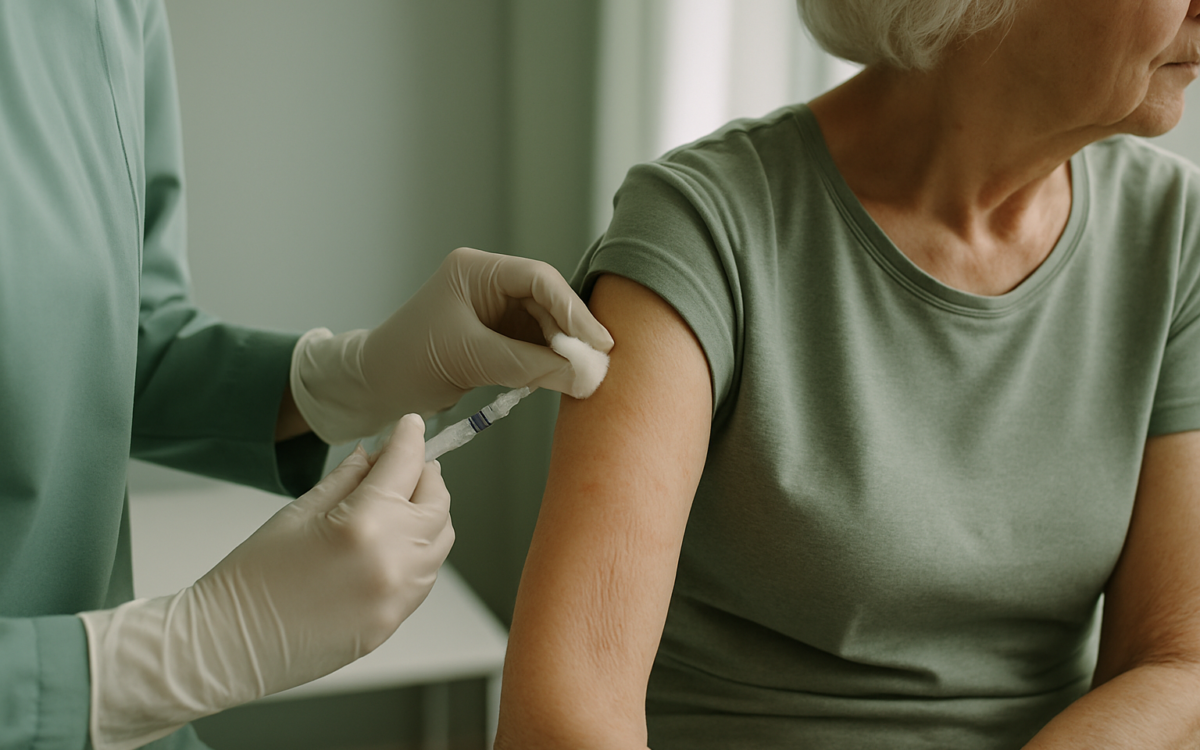
Vaccines are a vital part of public health, protecting people from preventable diseases. But did you know that different vaccines are recommended for different ages? Understanding age-appropriate vaccinations is essential for ensuring that everyone receives the right protection at the right time. In this article, we’ll explore why vaccines are age-specific, what vaccines are recommended at various stages of life, and how staying up-to-date with immunizations contributes to overall well-being.
The Importance of Age-Based Vaccination
The vaccination schedule is carefully designed to provide immunity at the most effective times. Infants and young children are especially vulnerable to certain illnesses. Their immune systems are still developing, which is why early vaccination can prevent severe diseases that could lead to hospitalization or long-term health issues.
According to the Centers for Disease Control and Prevention (CDC), vaccines prepare the immune system by introducing harmless parts of the virus or bacteria. These stimulate the body to produce an immune response without causing the disease itself. As a person ages, the vaccine recommendations change based on their developing immune system, exposure risks, and overall health conditions.
Vaccines for Infants and Children
Vaccination typically begins in infancy. The first vaccines are usually given within the first two months of life. The CDC recommends a series of vaccines that include:
- Hepatitis B: Given at birth, and again at 1-2 months and 6-18 months.
- Diphtheria, Tetanus, and Pertussis (DTaP): Administered at 2, 4, and 6 months; then between 15-18 months and 4-6 years.
- Polio (IPV): Given at 2, 4, and 6-18 months, and again at 4-6 years.
- Measles, Mumps, and Rubella (MMR): Recommended at 12-15 months and again at 4-6 years.
- Varicella: The chickenpox vaccine is also given at 12-15 months and again at 4-6 years.
Each of these vaccines protects against serious diseases that were once common and caused significant illness and death in young children.
Vaccines for Adolescents
Adolescence is another key time for vaccinations. As children grow into teenagers, new vaccines are required to address the changing immune response and increased risk of certain diseases. The CDC recommends the following vaccinations during these years:
- Tetanus, Diphtheria, and Pertussis (Tdap): A booster is given at age 11-12 years.
- Human Papillomavirus (HPV): Recommended for preteens aged 11-12 years to protect against certain cancers.
- Meningococcal Conjugate Vaccine (MenACWY): First given at age 11-12 years, with a booster at age 16.
- COVID-19 vaccine: Available and recommended for individuals starting from age 5, with specific dosing schedules based on age.
These vaccines not only protect the individual but also contribute to community immunity, reducing the spread of disease.
Vaccines for Adults
Vaccination does not stop in adolescence; in fact, it’s just as important for adults to get vaccinated. Many adults are unaware of which vaccines they need to remain protected. Here’s a rundown of vaccines recommended for adults:
- Influenza: Yearly flu shot is recommended for everyone aged 6 months and older.
- Tetanus, Diphtheria, Pertussis (Tdap): A one-time booster is recommended for adults, followed by a Td (tetanus-diphtheria) booster every 10 years.
- Shingles: The shingles vaccine is recommended for adults aged 50 and older.
- Pneumococcal vaccines: Recommended for adults 65 years and older and for those with certain medical conditions.
- COVID-19 vaccine: Ongoing recommendations for people 12 years and older as new variants emerge.
Keeping up with vaccinations is key as we age, helping reduce the risk of serious diseases that can affect quality of life.
Special Considerations and Vaccine Safety
It’s important to note that certain individuals may need special vaccine considerations. These can include those with weakened immune systems, chronic illnesses, or allergies to specific vaccine components. Mayo Clinic suggests consulting with a healthcare provider to create a personalized vaccination plan based on health status and lifestyle factors.
Vaccine safety is monitored rigorously. The CDC and the National Institutes of Health (NIH) conduct extensive research to ensure vaccines are safe for public use. Common side effects are typically mild and may include soreness at the injection site, low-grade fever, or fatigue.
Global Vaccination Efforts
Vaccines save millions of lives worldwide each year. Organizations like the World Health Organization (WHO) emphasize the importance of vaccines in preventing disease and reducing mortality rates, particularly in developing countries.
Global vaccination initiatives, such as Gavi, the Vaccine Alliance, work to improve access to vaccines in low-income countries, ensuring that everyone has the opportunity to receive important immunizations regardless of their geographic location.
When to See a Doctor
If you have concerns about your vaccination history or the appropriate vaccines for you or your child, it’s best to consult your healthcare provider. They can review your health history and guide you on any necessary updates to your vaccine schedule. Additionally, if any unusual symptoms occur after vaccination, seek medical advice promptly.
Remember, staying updated with vaccinations is a key part of preventive health care, so keep the conversation going with your healthcare provider!
In conclusion, understanding the importance of age-appropriate vaccination is crucial for everyone, from infants to seniors. By keeping track of recommended vaccines at every life stage, we can help ensure a healthier future for ourselves and our communities.
