
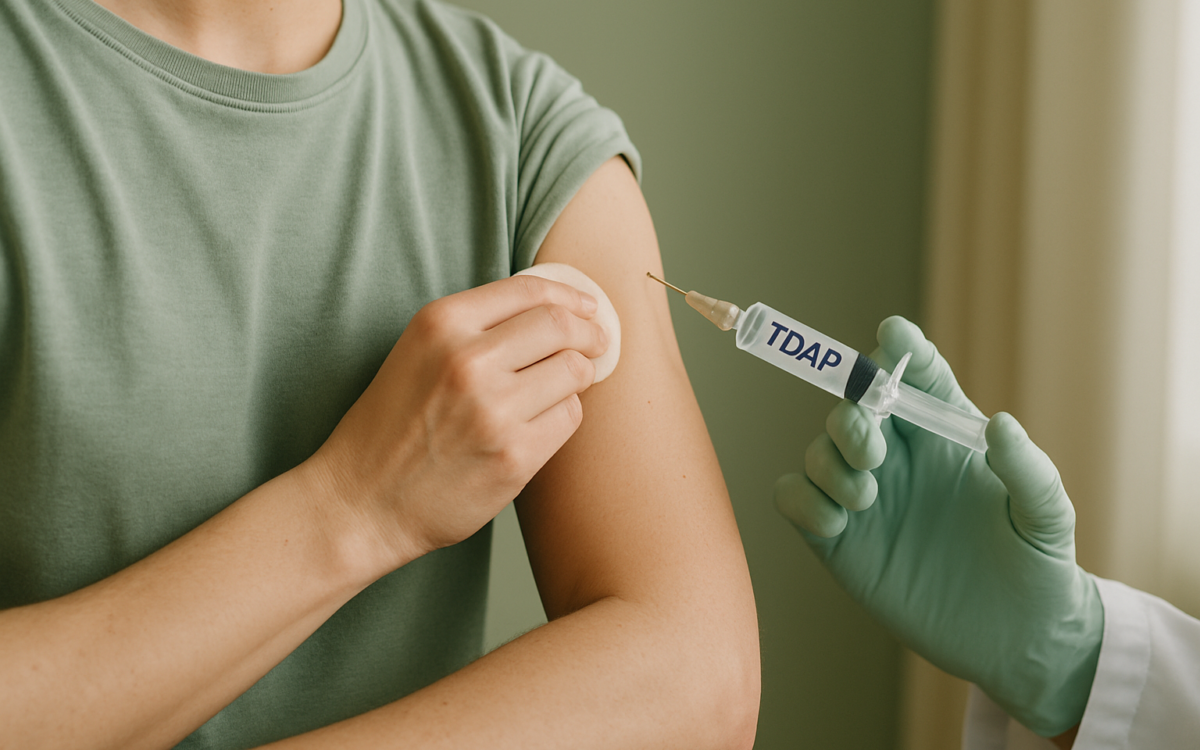
Vaccinations are a key part of public health, helping to protect both individuals and communities from serious diseases. One important vaccine in this realm is the Tdap vaccine, which protects against tetanus, diphtheria, and pertussis (whooping cough). Understanding how often to receive this vaccine is crucial for maintaining your health and contributing to herd immunity.
What is the Tdap vaccine?
The Tdap vaccine is a combination vaccine that helps prevent three potentially life-threatening diseases: tetanus, diphtheria, and pertussis. Tetanus is a bacterial infection that causes painful muscle stiffness, usually starting in the jaw (lockjaw) and can lead to serious complications. Diphtheria is a respiratory illness characterized by a thick coating in the throat, which can cause breathing problems. Pertussis, or whooping cough, is a highly contagious respiratory disease that can be especially severe in infants and young children.
Who needs the Tdap vaccine?
The Centers for Disease Control and Prevention (CDC) recommends the Tdap vaccine for a variety of age groups and situations. Here’s a breakdown of who should receive it:
- Adolescents: Teens should receive their Tdap booster around 11-12 years of age.
- Adults: It is generally recommended that adults receive a Tdap booster every 10 years, especially if they are in close contact with infants.
- Pregnant women: Pregnant women should receive the Tdap vaccine during each pregnancy, ideally between 27 and 36 weeks, to pass protection to the newborn.
How often do you get the Tdap vaccine?
The Tdap vaccine is initially given as part of a childhood series. Children typically receive the first dose at 2 months old, followed by doses at 4 months, 6 months, and then a final booster at 15-18 months. After that, a Td booster is recommended every 10 years. After the initial series, the Tdap is also recommended for adults, especially when they may be in close contact with vulnerable populations like infants.
Why is it important to follow the vaccination schedule?
Staying up-to-date with your Tdap vaccinations is essential for several reasons:
- Community Health: Vaccination helps maintain herd immunity within the community, protecting those who cannot be vaccinated due to medical reasons.
- Prevent Severe Illness: The diseases prevented by the Tdap vaccine can lead to severe health complications, and vaccination greatly reduces these risks.
- Travel Considerations: Certain countries have different vaccination requirements for travelers. Being updated on your Tdap vaccinations can help you avoid complications while abroad.
Are there any side effects of the Tdap vaccine?
Like all vaccines, the Tdap vaccine can cause side effects, although most are mild. Common reactions include:
- Pain at the injection site
- Fever
- Fatigue
- Headache
- Body aches
Severe side effects are rare but can occur. If you have concerns about side effects or your individual health situation, consult with your healthcare provider. More detailed information on side effects can be found at the CDC’s website.
When to see a doctor
If you experience severe reactions or if you have questions about your vaccination history, it’s crucial to consult your healthcare provider. They can help determine if you need a Tdap booster or if any other vaccines are recommended based on your personal health profile.
Conclusion
The Tdap vaccine plays a vital role in protecting individuals and communities from serious diseases. By keeping your vaccinations up to date, you not only safeguard your health but also contribute to the well-being of those around you. Regular check-ups with your healthcare provider can ensure you are following the correct vaccination schedule tailored to your needs.
