
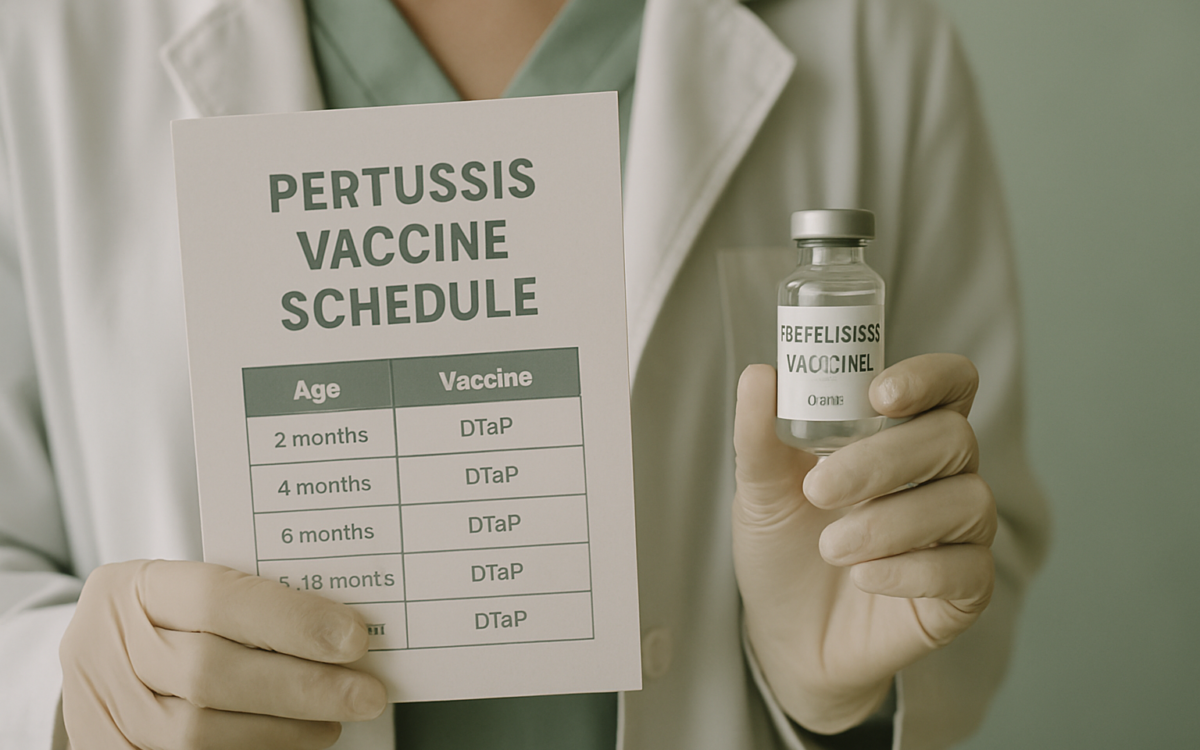
Pertussis, commonly known as whooping cough, is a highly contagious respiratory disease that can lead to severe complications, especially in infants and young children. The pertussis vaccine is crucial in preventing this illness and protecting public health. Understanding the vaccine schedule is vital for ensuring that you and your loved ones are adequately protected.
What is pertussis?
Pertussis is caused by the bacterium Bordetella pertussis. It primarily affects the respiratory system, causing severe coughing fits that can last for weeks. The disease can be particularly dangerous for infants who have not yet been fully vaccinated. In addition to severe coughing, symptoms can include:
- Runny or congested nose
- Fevers
- Apnea (pauses in breathing) in infants
- Coughing fits that end with a whooping sound
Vaccination is the most effective way to prevent the spread of pertussis.
The importance of the pertussis vaccine
The pertussis vaccine, often combined with vaccines for diphtheria and tetanus (known as DTaP for children and Tdap for adults), plays a vital role in controlling the spread of whooping cough. Vaccination not only protects individuals but also helps prevent outbreaks in the community. According to the CDC, widespread vaccination has led to a significant decline in pertussis cases since the vaccine was introduced. This public health achievement underscores the need for proper vaccination schedules.
The pertussis vaccine schedule for children
The vaccination schedule for children is designed to provide optimal protection against pertussis at an early age. The Centers for Disease Control and Prevention (CDC) recommends the following schedule for the DTaP vaccine:
- First dose: 2 months
- Second dose: 4 months
- Third dose: 6 months
- Fourth dose: 15-18 months
- Fifth dose: 4-6 years
It’s essential for parents to follow this schedule to ensure their children are protected from whooping cough before they are exposed to it in the community.
The pertussis vaccine schedule for adolescents and adults
As immunity from childhood vaccinations can wane over time, booster doses of the pertussis vaccine are recommended for adolescents and adults. The Tdap vaccine is typically administered in the following manner:
- Adolescents: A booster dose is recommended at 11-12 years.
- Adults: One dose of Tdap for adults who have never received it, especially pregnant women during the third trimester to protect newborns.
This approach helps protect both individuals and vulnerable populations, such as infants, who are unable to be fully vaccinated at birth.
Special considerations for pregnant women
Pregnant women are strongly encouraged to receive the Tdap vaccine during the third trimester of each pregnancy. This recommendation is crucial because it helps ensure that antibodies are passed from the mother to the unborn child, providing them with some protection against whooping cough during their early months. As noted by the World Health Organization (WHO), this practice can significantly reduce the incidence of pertussis in infants during the time they are most vulnerable.
Potential side effects of the pertussis vaccine
Like any vaccine, the pertussis vaccine can cause mild side effects, most of which are temporary. Common side effects include:
- Pain or swelling at the injection site
- Mild fever
- Fatigue
- Loss of appetite
Serious side effects are rare but can occur. It’s important for individuals to discuss any concerns with their healthcare providers. The benefits of vaccination far outweigh the risks of potential side effects, particularly when it comes to preventing a disease as serious as whooping cough.
When to see a doctor
If you or your child experiences severe side effects after receiving the pertussis vaccine, such as high fever, unusual behavior, or persistent crying for three hours or more, it is essential to consult a healthcare provider. Additionally, if you suspect you or your child have been exposed to pertussis or are experiencing symptoms, seek medical advice promptly.
Conclusion
Understanding the pertussis vaccine schedule and the importance of vaccination is crucial for protecting both individual and community health. By adhering to the recommended vaccination schedule, parents can ensure their children are safeguarded against this potentially serious disease. Regular consultation with healthcare providers ensures that vaccination plans remain up-to-date and tailored to the specific health needs of individuals and families.
