
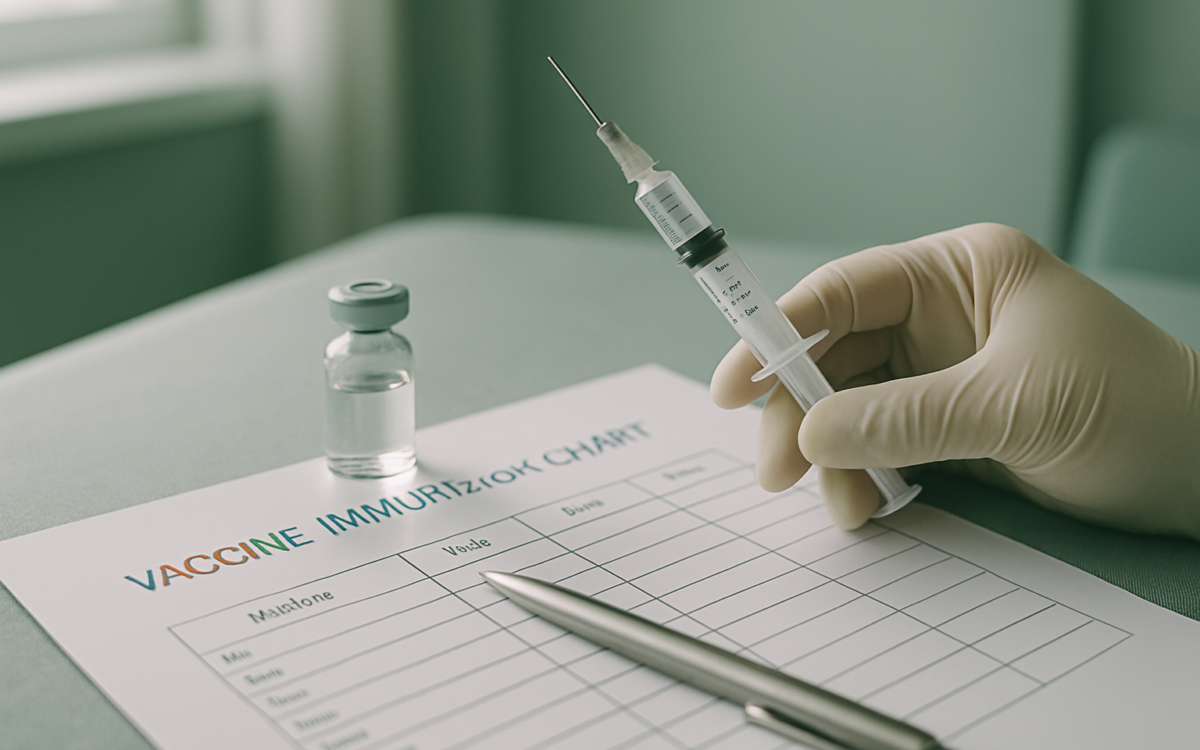
Understanding vaccination can sometimes feel overwhelming, especially when it comes to interpreting vaccine immunization charts. These charts are crucial tools for families to ensure that everyone stays up-to-date on necessary vaccinations. By familiarizing yourself with these charts, you can help protect your loved ones from preventable diseases.
What is a Vaccine Immunization Chart?
A vaccine immunization chart is a visual guide that outlines the recommended vaccines for individuals at various ages. These charts are developed by health organizations and provide crucial information regarding when to receive specific vaccines. The timing of vaccinations is essential because it helps establish immunity when the body is most receptive to building defenses against diseases.
Why Vaccination is Important
Vaccinations are one of the most effective ways to prevent diseases. According to the Centers for Disease Control and Prevention (CDC), vaccines help protect not just individuals but also communities by achieving herd immunity. When a significant portion of a population is vaccinated, the spread of contagious diseases slows down, protecting those who are unable to receive vaccines due to medical reasons.
Components of an Immunization Chart
Most vaccine immunization charts include the following components:
- Age Recommendations: Charts typically specify the ages at which vaccines should be administered. For example, certain vaccines are recommended for infants, while others are suggested for older children or adults.
- Vaccine Types: The charts list different types of vaccines, including those for measles, mumps, rubella (MMR), tetanus, and flu.
- Schedule: This includes information about multiple doses needed for certain vaccines, as well as the recommended intervals for administering these doses.
- Catch-up Schedule: For individuals who have missed doses, charts often provide a catch-up schedule to help them get back on track.
Reading Your Vaccine Immunization Chart
Understanding how to read an immunization chart can enhance your effectiveness in managing your family’s health. Here are some tips:
- Review Regularly: Immunization recommendations can change; regularly check your chart against updated recommendations from reliable sources like the World Health Organization (WHO) or the CDC.
- Mark Your Calendar: After reviewing the chart, mark important dates for upcoming vaccinations. Keep a record of the dates your family members have received each vaccine.
- Consult Your Healthcare Provider: If you have questions about specific vaccines or the timing, consult your healthcare provider. They can provide personalized guidance based on your family’s health history.
Vaccination for Children
Childhood vaccinations are crucial to establish immunity against various diseases early on. The immunization chart for children is typically divided into different age groups: infancy, early childhood, and later childhood. Here are some key vaccines for children:
- Hepatitis B: Often given shortly after birth.
- DTP (Diphtheria, Tetanus, and Pertussis): Recommended in multiple doses starting at two months.
- MMR: Given at 12 months and a second dose before kindergarten.
Vaccination for Adults
While we often think of vaccines as necessary only for children, adults also need vaccinations to maintain their health. Adult vaccines are crucial for preventing diseases that can emerge later in life, such as:
- Tetanus and Diphtheria: Recommended every ten years.
- Influenza: An annual vaccine is recommended for everyone.
- Shingles: Recommended for adults 50 and older.
Resources for Tracking Vaccinations
Many tools can help you keep track of immunizations:
- Immunization Records: Always keep a copy of vaccination records for each family member. This document is often required for school enrollment and travel.
- Vaccination Reminder Apps: Several mobile applications can remind you of upcoming vaccinations and help track doses.
- Healthcare Provider Portals: Many healthcare facilities offer online patient portals where you can access vaccination records and upcoming vaccine schedules.
When to See a Doctor
If you have questions about vaccines, vaccination schedules, or your individual health concerns, consult your healthcare provider. It’s particularly important to see a doctor if:
- Your child has missed a scheduled vaccine dose.
- You have any concerns over vaccine side effects or allergic reactions.
- You’re unsure about the vaccination needs based on recent recommendations.
By understanding vaccine immunization charts, you take an active role in protecting your family’s health. Regular consultation with your healthcare provider can ensure that all members of your family stay on track with their vaccinations.
