
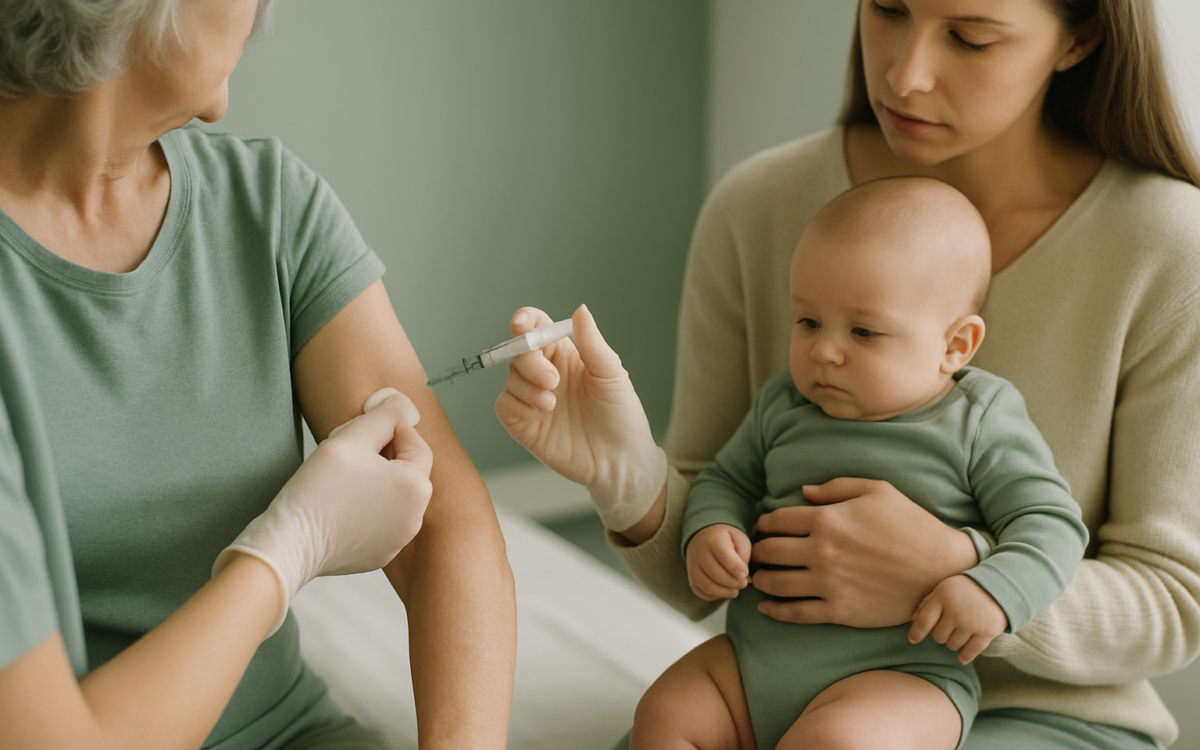
Vaccines play a critical role in protecting our health and preventing the spread of infectious diseases. Knowing which vaccines are recommended at various stages of life can help you ensure that yourself and your family stay healthy. This guide provides a breakdown of vaccines according to age, highlighting the importance of immunization from infancy through adulthood.
Vaccines for Infants and Young Children (0-5 Years)
During the early years of life, a child’s immune system is still developing, making it crucial to follow the recommended vaccine schedule. The Centers for Disease Control and Prevention (CDC) outlines several key vaccines for infants and toddlers:
- Hepatitis B: Given at birth, 1-2 months, and again at 6-18 months.
- DTaP: Diphtheria, tetanus, and pertussis vaccine given at 2, 4, and 6 months, with boosters at 15-18 months and 4-6 years.
- IPV: Inactivated poliovirus vaccine administered at 2, 4, and 6-18 months, and again at 4-6 years.
- MMR: Measles, mumps, and rubella vaccine given between 12-15 months, with a booster at 4-6 years.
- Varicella: Chickenpox vaccine given between 12-15 months, with a second dose at 4-6 years.
Each vaccination is scheduled to provide the best protection when a child’s immune system is most vulnerable. If you have questions or concerns about vaccines for your young child, consult your pediatrician.
School-Age Children (6-12 Years)
As children grow and begin school, remaining updated on vaccinations becomes a priority. The following vaccines are often required or recommended:
- DTaP: The final booster is typically given between 4-6 years.
- HPV: Human papillomavirus vaccine is recommended starting at age 11-12, given in a series.
- Tdap: Tetanus, diphtheria, and pertussis booster given at age 11-12.
- Meningococcal: First dose administered at age 11-12, with a booster at age 16.
Many schools may require proof of vaccination before enrollment, so it’s wise to keep your child’s vaccination records organized and up-to-date.
Adolescents and Young Adults (13-24 Years)
Adolescence is a transformative time, both physically and emotionally. Vaccination can play a significant role in preventing diseases that may arise during this stage. Important vaccines include:
- HPV: An important series that helps protect against cancers caused by the human papillomavirus.
- Meningococcal: A second dose is recommended at 16 years.
- Flu vaccine: Annual flu vaccinations are encouraged for everyone, especially in this age group during flu season.
It’s never too late to start catching up on vaccinations. If you’re considering traveling abroad or moving out of the country, be sure to check which vaccines are required or recommended for your destination, such as treatment in Turkey.
Adults (25 Years and Older)
As individuals enter adulthood, they should maintain a lifelong commitment to their health by staying current with vaccinations:
- Tdap: A booster should be received every 10 years.
- Flu vaccine: Recommended annually regardless of age.
- Shingles: Recommended for adults age 50 and older in two doses.
- Pneumococcal: Recommended for adults over 65, or younger adults with certain health conditions.
Discussion with healthcare providers about which vaccinations are appropriate can also help inform decisions about continuing healthcare throughout life.
Older Adults (65 Years and Older)
With age comes a higher risk for certain diseases, making vaccinations even more crucial for older adults:
- Flu vaccine: An annual vaccination is essential to prevent serious illnesses.
- Pneumococcal: Protects against pneumonia and should be given to all adults over 65 or those with risk factors.
- Shingles: Advisable for individuals aged 50 and older to prevent shingles outbreaks and complications.
It’s important for older adults to consult their healthcare provider about vaccinations, as the recommendations may be influenced by medical history and current health status.
When to See a Doctor
If you have questions or concerns about vaccines for yourself or your family, it’s best to consult with a healthcare provider. They can provide tailored advice based on individual health needs. It’s also essential to discuss any immunization updates when planning for travel or if you have any new health conditions.
Remember, vaccines are a key part of health management, and staying informed ensures better health for you, your family, and the community.
Conclusion
From infancy through older adulthood, vaccines are a vital element of preventive healthcare. Staying updated on vaccination schedules can shield you and those around you from potentially serious diseases. Always keep open communication with your healthcare provider about vaccination needs at any age.
