
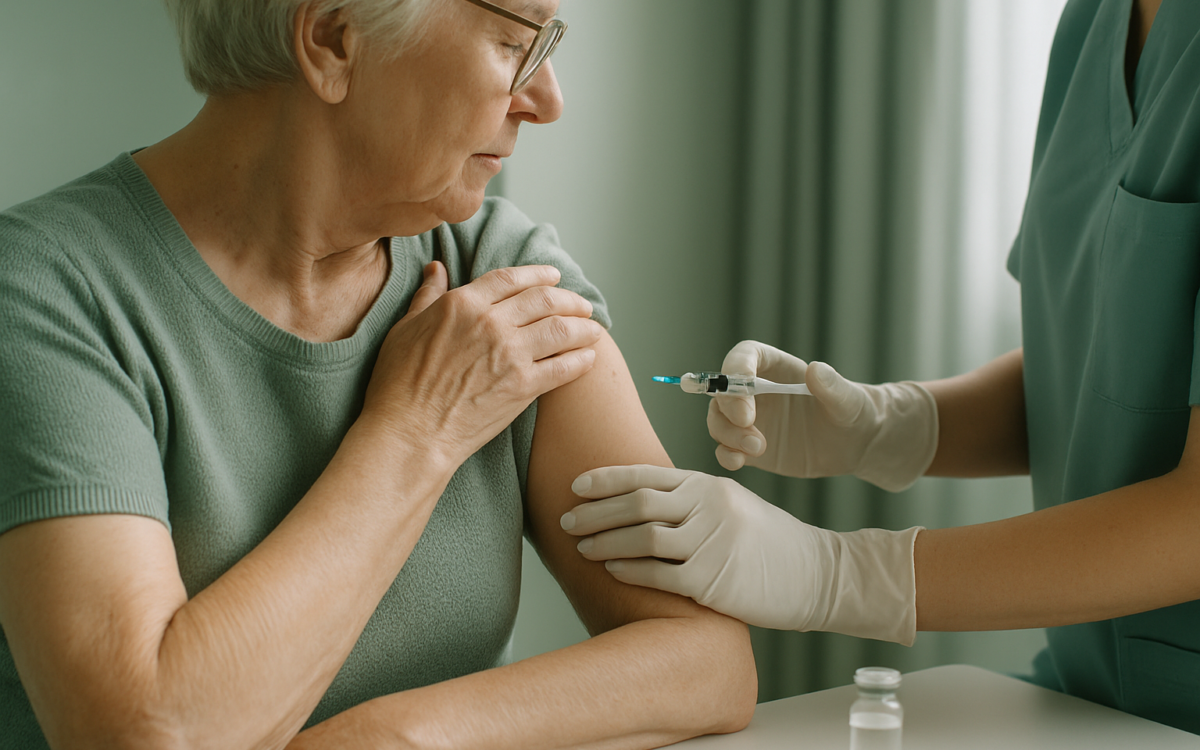
As we age, our immune system gradually becomes less effective, making vaccinations an essential part of staying healthy. Seniors are particularly vulnerable to various infections, and vaccines can help protect them from serious diseases. Understanding which vaccines are recommended for older adults can empower seniors to take charge of their health.
Why Vaccines Matter for Seniors
Vaccines work by helping the body develop immunity to certain diseases. For seniors, the stakes are high: they are at an increased risk of severe complications from infections. Conditions like pneumonia, influenza, and herpes zoster are more common in older adults, leading to hospitalizations and even death. According to the Centers for Disease Control and Prevention (CDC), vaccines are a crucial tool for preventing these diseases and enabling seniors to live healthier lives.
Key Vaccines Recommended for Seniors
There are several vaccines that older adults should consider. Talk to your healthcare provider about which ones are best suited for your individual health needs.
Influenza Vaccine
The flu can be more severe for seniors, causing hospitalizations and complications. The CDC recommends an annual flu vaccine for everyone 65 and older. The vaccine is usually available in the fall, so be sure to get vaccinated before flu season begins.
Pneumococcal Vaccines
Pneumonia is a serious illness that can lead to hospitalization, especially for seniors. There are two types of pneumococcal vaccines recommended for anyone age 65 and older:
- Pneumococcal conjugate vaccine (PCV13): This vaccine helps protect against invasive pneumococcal diseases.
- Pneumococcal polysaccharide vaccine (PPSV23): This vaccine offers protection against several types of pneumococcal bacteria.
Both vaccines are important and should be given at specific intervals, so discussing this with your doctor is key.
Shingles Vaccine
Shingles, also known as herpes zoster, is a painful rash caused by the same virus that causes chickenpox. Older adults are at higher risk for shingles and its complications, such as postherpetic neuralgia. The CDC recommends the shingles vaccine for adults aged 50 and older. This vaccine can reduce the risk of shingles and the severity if it does occur.
Tetanus, Diphtheria, and Pertussis (Tdap) Vaccine
The Tdap vaccine protects against three serious diseases: tetanus, diphtheria, and pertussis (whooping cough). The CDC recommends that all adults receive the Tdap vaccine if they haven’t had one since adolescence. After receiving the Tdap vaccine, seniors should get a Td booster every 10 years.
What Vaccines Might Be Needed Based on Specific Health Conditions
Some health conditions may require additional vaccinations to better protect seniors:
- Diabetes: Seniors with diabetes may need additional vaccines, such as hepatitis B.
- Heart Disease: Those with heart conditions may be more vulnerable to infections and should consult their doctors for tailored vaccine recommendations.
- Immunocompromised Conditions: Seniors taking immunosuppressive medications or having certain diseases like HIV may need more frequent vaccinations.
It’s essential to discuss your individual health status with your healthcare provider to create a personalized vaccination plan.
Understanding Vaccine Side Effects
While vaccines are generally safe and effective, they can have side effects. Most side effects are mild and temporary, such as soreness at the injection site, low-grade fever, or fatigue. Serious side effects are rare but can occur. If a senior experiences concerning symptoms after vaccination, they should contact their healthcare provider for advice.
When to See a Doctor
If you or a senior you care for experience severe side effects after vaccination or if you’re unsure about which vaccines are appropriate, consult a healthcare professional. It’s also wise to discuss any underlying medical conditions that may influence vaccine recommendations. Regular check-ins with healthcare providers can help ensure seniors remain protected and healthy.
For extensive information on vaccinations, consider checking the National Library of Medicine or the World Health Organization.
Conclusion
Staying up to date with vaccinations is vital for seniors as they provide a proactive approach to health and prevention. Understanding the importance of these vaccines can enable older adults to enjoy their later years with confidence and fewer health concerns. Always consult your healthcare provider to create a vaccination strategy that best fits individual health needs.
