
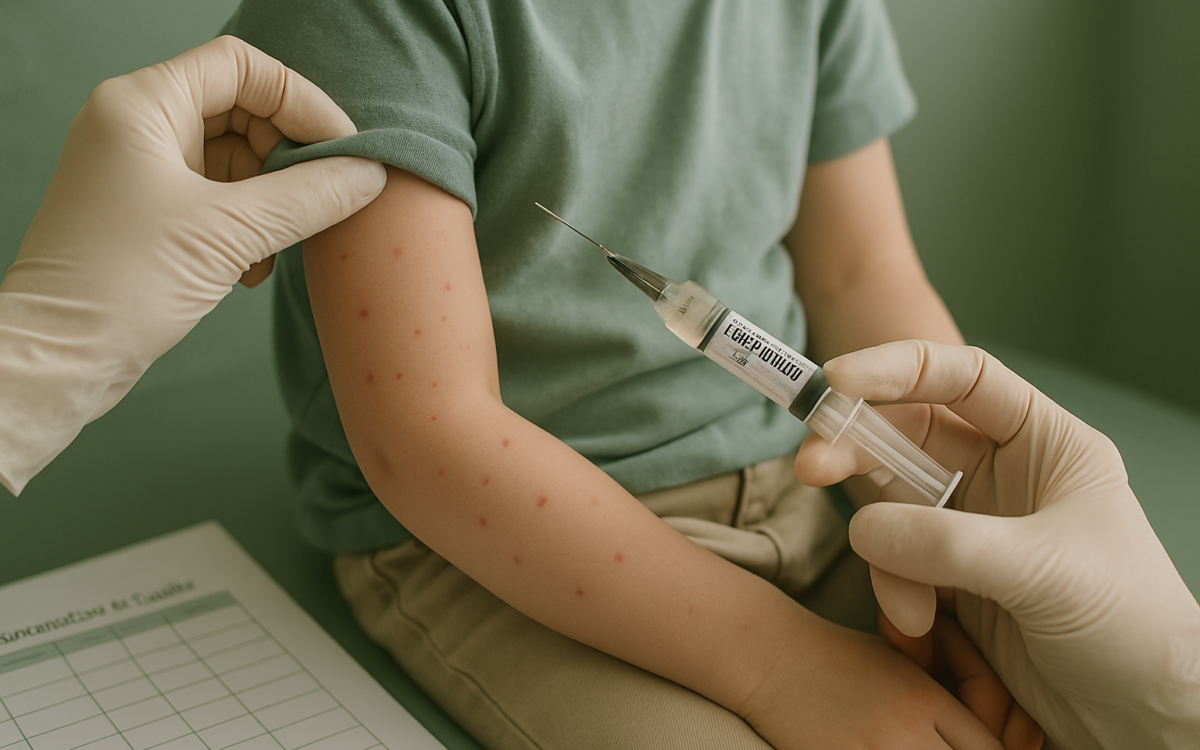
Varicella, commonly known as chickenpox, is a highly contagious viral infection often recognized by its itchy, blister-like rash. While this disease is considered less serious in children, chickenpox can lead to severe complications, especially in infants, adults, and those with weakened immune systems. The introduction of the varicella vaccine has dramatically reduced the incidence of this disease, making it crucial to understand its immunization schedule and the importance of timing in vaccinations.
What is the Varicella Vaccine?
The varicella vaccine is developed from a live attenuated (weakened) form of the varicella-zoster virus, the virus responsible for chickenpox. This vaccine works by stimulating the immune system to recognize and combat the virus without causing the disease itself. Administered during childhood, the vaccine helps prevent chickenpox and its potential complications.
Why is Vaccination Important?
The varicella vaccine is essential for several reasons:
- Prevention of the illness: Vaccination is the best way to protect against chickenpox, which can lead to serious health issues like pneumonia, encephalitis, and bacterial infections.
- Community immunity: Widespread vaccination contributes to herd immunity, protecting those who cannot be vaccinated, such as infants or individuals with certain health conditions.
- Reduction in healthcare costs: Fewer cases lead to reduced medical costs associated with treating chickenpox and its complications.
Varicella Immunization Schedule
The varicella immunization schedule established by public health authorities provides specific timing for the administration of the vaccine. Here’s an overview:
1. Initial vaccination (for children)
The first dose of the varicella vaccine is typically given between 12 and 15 months of age. This timing ensures that children develop immunity before they potentially encounter the virus, especially in settings like schools or daycare centers.
2. Second dose (for children)
The second dose is administered between ages 4 and 6 years, though it can be given any time after the first dose as long as it’s at least three months later. The second dose is crucial as it boosts the immune response, providing better protection against chickenpox.
3. Vaccination for adolescents and adults
Individuals who did not receive the varicella vaccine as children can still be vaccinated. For adolescents and adults, a two-dose schedule is recommended, with the second dose given at least 28 days after the first dose. It’s essential for those who work in healthcare or are in close contact with individuals at high risk for severe chickenpox complications to ensure their vaccination status is up-to-date.
Special Situations and Considerations
Several factors may influence the decision on when to vaccinate or revaccinate, including:
- Pregnancy: Pregnant women should verify their immunity before getting pregnant since chickenpox can cause complications in pregnancy. Vaccination is typically done before conception.
- Chronic health conditions: Individuals with weakened immune systems or chronic health conditions should consult their healthcare providers regarding vaccination timing and the possibility of vaccination.
- Recent exposure: If a person has been exposed to chickenpox, they should consult a healthcare provider. Vaccination within three to five days of exposure may reduce the likelihood of developing the disease.
Common Side Effects of the Vaccine
<pLike any vaccine, the varicella vaccine may cause mild side effects. The most common side effects include:
- Redness, soreness, or swelling at the injection site
- A mild fever
- A mild rash that resembles chickenpox, which appears 1 to 3 weeks after vaccination but is usually less severe than a natural infection
Serious side effects are rare, but if a person experiences an allergic reaction, they should seek medical attention immediately.
The Role of Healthcare Providers
<pHealthcare providers play a critical role in ensuring that patients and parents are informed about the varicella immunization schedule. They can provide guidance tailored to individual circumstances, helping to address any questions or concerns. It's crucial for parents to bring up vaccination records during well-child visits to confirm whether their child is up-to-date on all recommended vaccinations.
When to See a Doctor
<pIf you or your child experiences unusual symptoms after vaccination or if you suspect exposure to chickenpox, consider consulting a healthcare provider. Symptoms such as high fever, severe rash, or prolonged pain may warrant a professional opinion. Additionally, if there are concerns about vaccination status or potential complications from chickenpox, seeking medical advice is encouraged.
Conclusion
<pUnderstanding the varicella immunization schedule is vital to preventing chickenpox and safeguarding both individual and public health. By adhering to this schedule and consulting with healthcare professionals, families can ensure optimal protection against this contagious disease. For more information, consider visiting reputable sources like the CDC or WHO, which provide robust guidance on vaccinations and public health recommendations.
