
Are you looking to build strength, improve your fitness, and boost your overall health? If so, resistance training might be just what you need. Often called strength training, this type of exercise can help you become fitter and stronger, all while improving your mental health and mood. In this article, we will explore the fundamentals of resistance training, essential techniques for beginners, and tips to get you started on your fitness journey.
The Basics of Resistance Training
Resistance training involves using weight, resistance bands, or even your body weight to build muscle. The goal is to challenge your muscles through controlled movements, leading to strength gains and endurance. Research from the National Institutes of Health indicates that resistance training is beneficial for people of all fitness levels, including those new to exercise.
Benefits of Resistance Training
Starting a resistance training program as a beginner can provide a wide array of benefits. Here are some key advantages:
- Increased Muscle Strength: Over time, you’ll notice improvements in your overall strength. This can make daily tasks easier and improve your quality of life.
- Weight Management: Building muscle can help increase your metabolism, enabling your body to burn more calories even at rest.
- Enhanced Bone Health: Resistance training helps build bone density, reducing the risk of fractures and osteoporosis.
- Improved Mental Health: Regular exercise, including resistance training, can decrease symptoms of anxiety and depression, boosting your mood.
- Increased Functional Ability: Strength training can enhance your ability to perform daily activities, reducing disability risk as you age.
Types of Resistance Training
As a beginner, you have various options to choose from when it comes to resistance training. Here are some common types:
Bodyweight Exercises
These exercises use your body weight as resistance. Examples include push-ups, squats, and lunges. They are excellent for beginners because they can be done anywhere and require no equipment.
Free Weights
Free weights, such as dumbbells and kettlebells, provide more versatility. You can perform a wide range of exercises targeting different muscle groups. Start with lighter weights to master your form and gradually increase the load.
Resistance Bands
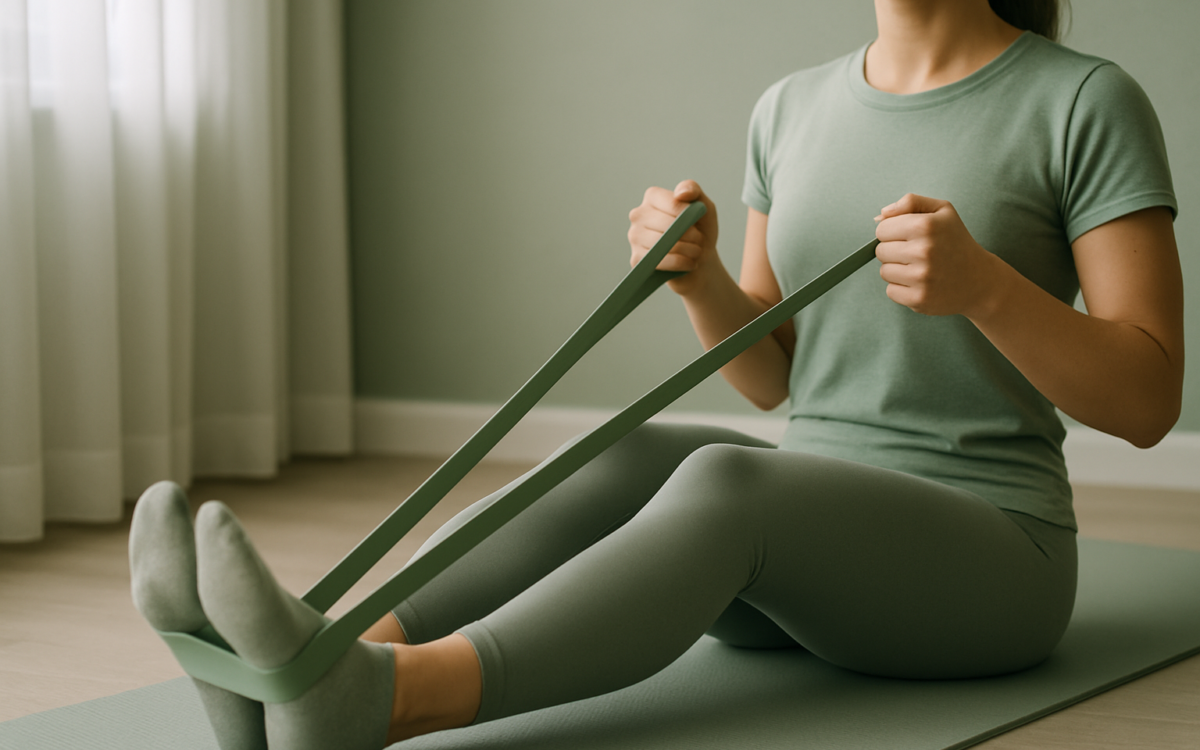
Resistance bands are great for beginners. They come in various levels of resistance and are portable, making them easy to use at home or on the go.
Getting Started: Tips for Beginners
If you’re ready to embark on your resistance training journey, here are some tips to help you get started safely:
Consult with a Healthcare Professional
Before beginning any exercise regimen, it’s wise to consult your doctor, especially if you have any underlying health conditions. They can help determine the best starting point for you.
Learn Proper Form
Understanding the correct technique is crucial to preventing injuries. Consider working with a certified personal trainer, attending beginner classes, or watching instructional videos to learn proper form.
Start Slow
It’s important to start slowly and gradually increase your intensity. For beginners, aim for 2-3 sessions per week, allowing at least 48 hours of rest between sessions that target the same muscle groups.
Set Realistic Goals
Setting small, achievable goals can help keep you motivated. Focus on consistent workouts or mastering certain exercises rather than trying to lift heavy weights right away.
Stay Hydrated and Nourished
Hydration is key during training. Drink plenty of water before, during, and after your workouts. Additionally, a balanced diet rich in protein and whole foods can support your training efforts.
Creating a Home Workout Routine
Building a resistance training routine at home is easier than you might think. Here’s a simple example for a full-body workout:
Example Routine
- 1. Warm-up: 5-10 minutes of light cardio (jog in place, jumping jacks)
- 2. Bodyweight squats: 3 sets of 10-15 repetitions
- 3. Push-ups (knee or full): 3 sets of 8-12 repetitions
- 4. Plank: hold for 20-30 seconds, 3 times
- 5. Dumbbell row: 3 sets of 10-12 repetitions per arm
- 6. Cool down: Stretching for all major muscle groups
When to See a Doctor
If you experience any pain beyond normal soreness, signs of injury, or if you have pre-existing medical conditions, please consult your doctor before continuing with your exercise program. They can provide guidance on safe workouts tailored to your needs.
Wrapping Up
Resistance training offers a wealth of benefits for beginners, from increased strength to improved mental well-being. By starting slowly, learning proper technique, and listening to your body, you can create a safe and effective training routine. Remember, each small step counts and will contribute to your overall fitness and health!
