
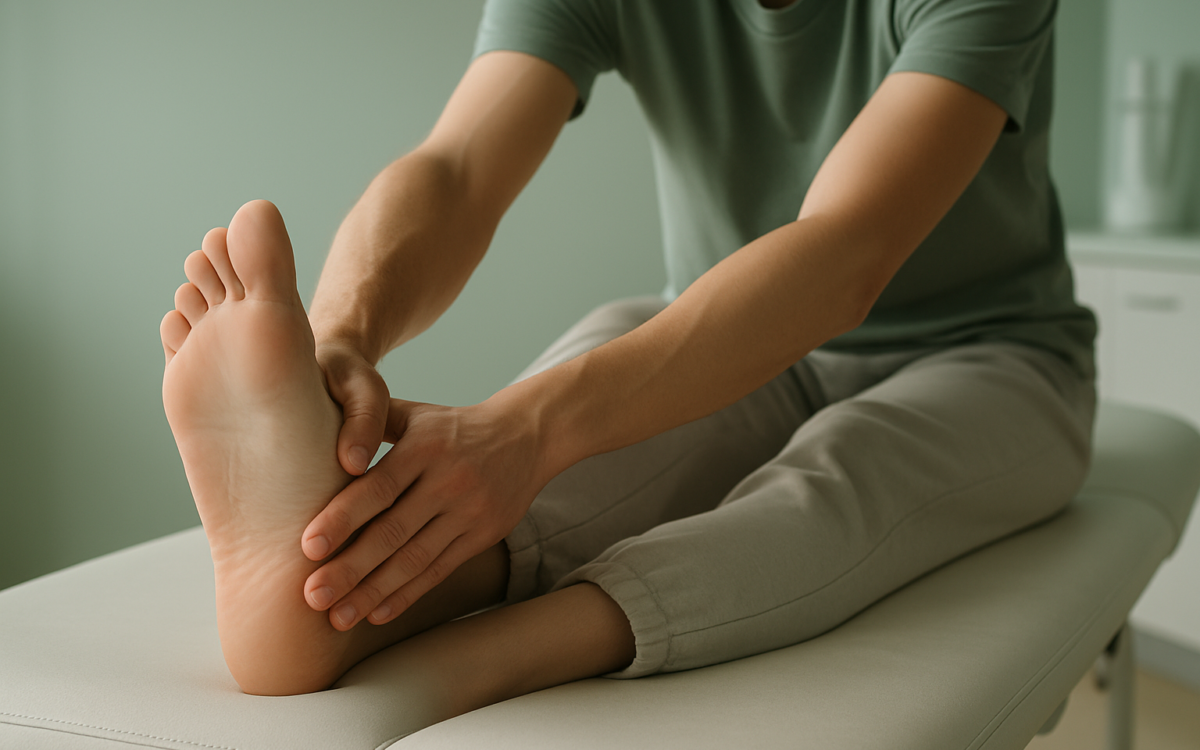
Flexibility is often seen simply as the ability to bend and stretch. However, it plays a crucial role in our overall physical health and well-being. Whether you’re an athlete or someone looking to improve daily function, enhancing your flexibility can bring numerous benefits. In this article, we will explore what flexibility is, its importance, how to improve it, and when to consult a doctor about your flexibility concerns.
What is Flexibility?
Flexibility refers to the range of motion available in your joints and muscles. It is determined by several factors including the elasticity of your muscles and tendons, the structure of your joints, and even your age. People often confuse flexibility with mobility, but they are not the same. Mobility is the ability to move freely and easily, while flexibility specifically concerns the lengthening of your muscles and tendons.
Benefits of Flexibility
Incorporating flexibility exercises into your routine can lead to a host of benefits:
- Improved Performance: Enhanced flexibility can lead to better performance in physical activities. Whether running, dancing, or playing sports, a flexible body can move more efficiently.
- Injury Prevention: Flexible muscles are less prone to strains and injuries. By improving your flexibility, you may avoid common injuries related to tight muscles.
- Adequate Posture: Flexibility is vital for maintaining posture. Tight muscles can lead to imbalances, causing discomfort and long-term issues.
- Enhanced Blood Flow: Stretching promotes circulation, allowing nutrients to reach your muscles more effectively.
- Stress Reduction: Engaging in flexibility exercises such as yoga can help reduce stress levels and promote relaxation.
These benefits highlight just how important flexibility is in everyday life.
Types of Flexibility Exercises
When it comes to improving flexibility, there are several types of exercises you can incorporate into your routine:
- Static Stretching: This involves holding a stretch for 15-60 seconds, allowing the muscles to lengthen gradually. It is ideal in the cool-down phase after a workout.
- Dynamic Stretching: This includes moving parts of your body through a full range of motion. It is often used as part of a warm-up routine.
- PNF Stretching (Proprioceptive Neuromuscular Facilitation): This technique involves alternating between contracting and relaxing your muscles. It is known to increase flexibility more effectively than static stretching alone.
- Yoga and Pilates: Both practices focus on stretching and strengthening muscles while promoting balance and body awareness.
Incorporating a mix of these exercises can greatly improve your flexibility.
How to Incorporate Flexibility Training
Here are some practical tips for getting started with flexibility training:
- Create a Routine: Set aside specific times during the week dedicated to flexibility exercises, aiming for at least 2-3 sessions.
- Mix It Up: Combine different types of stretching to keep your routine engaging and effective.
- Listen to Your Body: Stretch to the point of mild discomfort but not pain. Always be mindful of your body’s limits.
- Stay Consistent: Flexibility takes time to develop, so regular practice is key to seeing results.
By maintaining a dedicated approach, you can experience significant improvements over time.
Flexibility Across Different Life Stages
As we age, our flexibility tends to decrease. Children and teenagers generally possess high levels of flexibility due to physical activity and growing bodies. However, with age and a more sedentary lifestyle, our muscles and tendons may lose elasticity. This can lead to stiffness and limited mobility. Therefore, it’s essential for individuals of all ages to prioritize flexibility training.
In older adults, maintaining flexibility can help in performing daily tasks, reducing the risk of falls and other injuries. For individuals involved in sports, flexibility can enhance performance and decrease recovery time.
When to See a Doctor
While improving flexibility can greatly benefit your life, there are times when it’s important to consult a healthcare professional:
- If you experience persistent pain during stretching or after physical activity.
- If you notice a sudden decrease in flexibility or range of motion.
- If you have suffered an injury and need guidance on rehabilitation.
Your doctor can provide personalized advice and help identify if there are underlying conditions that need attention. More information can be found through resources like the NIH or the CDC.
Remember, flexibility is not just for athletes; it’s a crucial component of overall health. By prioritizing flexibility exercises and being mindful of your body, you can lead a more active, pain-free life.
In conclusion, flexibility is essential to maintain mobility, prevent injuries, and enhance athletic performance. Start incorporating flexibility exercises into your routine today and enjoy the numerous benefits!
