
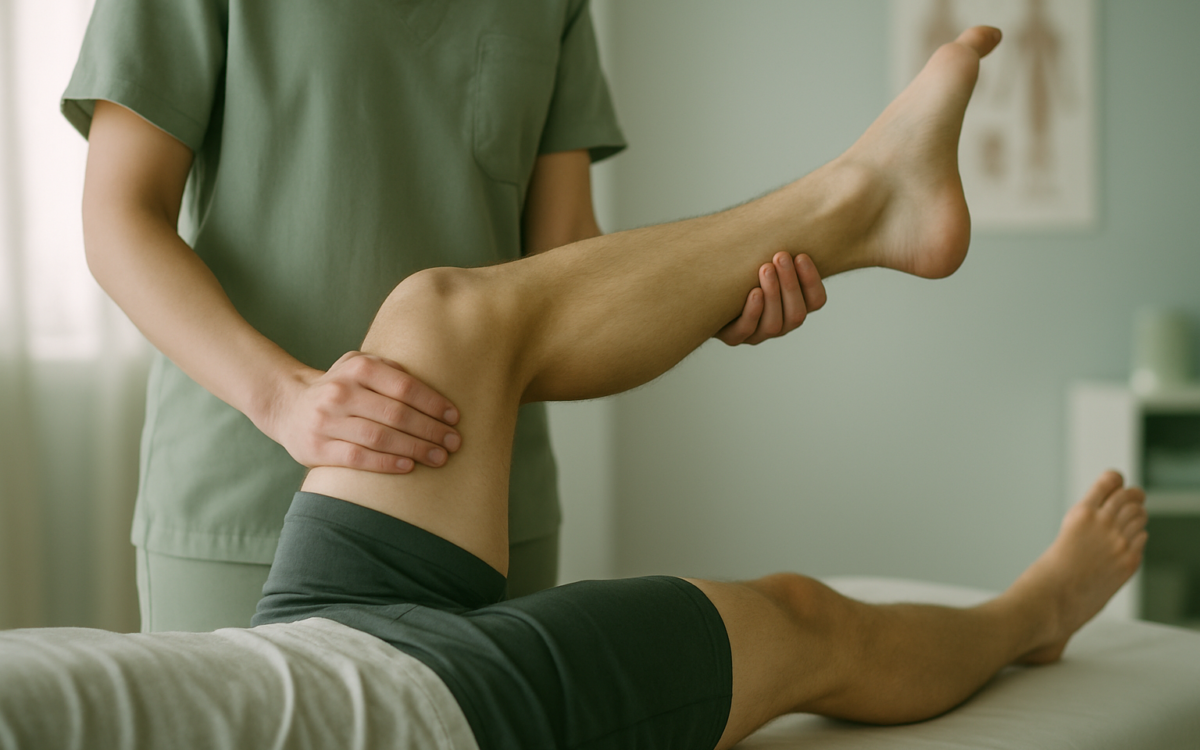
Have you ever noticed how great it feels to stretch after a long day? Whether you’ve been sitting at a desk or running errands, extending your muscles can help alleviate tension and improve your flexibility. But what exactly does it mean to extend muscles, and why is it so important for your health? Let’s delve into the benefits of extending your muscles and explore various techniques you can incorporate into your routine.
Understanding Muscle Extension
Muscle extension occurs when you put your muscles in a position that increases their length. This process is also referred to as stretching, and it is crucial for maintaining flexibility and mobility. When muscles are pliable, they can endure stress and strain more effectively—reducing the risk of injury.
The two main types of muscle extension are static and dynamic stretching. Static stretching involves holding a stretch in a fixed position, while dynamic stretching incorporates movements that actively engage the muscles. Both types have unique benefits and can be beneficial depending on your fitness goals.
The Benefits of Extending Muscles
Extending muscles offers various health benefits beyond just increased flexibility. Here are some key advantages:
- Injury Prevention: Regularly stretching helps maintain and improve flexibility, which can prevent injuries during physical activities. Tight muscles are more prone to strains and tears.
- Improved Posture: When muscles are tight, they can pull the body into unnatural positions. Extending muscles contributes to better alignment and posture.
- Enhanced Performance: Whether you’re an athlete or a casual gym-goer, flexible muscles help you perform better. You may find it easier to reach, jump, or run.
- Stress Relief: Stretching is not just a physical practice; it can also have mental health benefits. Many people report feeling more relaxed and less anxious after a good stretch.
Effective Techniques for Muscle Extension
Knowing the right techniques for extending your muscles can make a significant difference. Here are some popular methods:
Static Stretching
Static stretching is best done after workouts when your muscles are warm. Hold each stretch for 15-30 seconds and focus on your breathing. Common static stretches include:
- Hamstring Stretch: Sit on the floor with one leg extended and the other bent. Reach towards your toes to stretch the hamstring.
- Quadriceps Stretch: Stand on one foot and pull the opposite heel towards your glutes to stretch the front of the thigh.
- Shoulder Stretch: Pull one arm across your body and hold it with the opposite hand to stretch the shoulder.
Dynamic Stretching
This technique involves moving parts of your body while gradually increasing reach and speed. It’s great for warming up before physical activity. Useful dynamic stretches include:
- Leg Swings: Stand on one leg and swing the opposite leg forward and backward.
- Arm Circles: Extend your arms to the sides and make small circles, gradually increasing the size of the circles.
Integrating Extensions into Your Routine
Finding a routine that includes muscle extension can greatly enhance your overall health. Consider dedicating specific time for muscle extension exercises each week. It’s especially important for people who travel often, as they may experience stiffness due to prolonged sitting. You might also explore options for international patient services if you’re looking for specialized care tailored to your physical needs while abroad.
Stretching in Different Contexts
Not all muscle extension techniques apply equally in every situation. For athletes, specific sport-related stretches may be necessary. In contrast, someone recovering from an injury might benefit from gentle, guided stretches. It’s essential to consider your activity level, age, and physical condition when choosing how and when to extend your muscles.
Furthermore, stretching can also play a vital role in rehabilitation. After an injury, performing gentle muscle extensions may help restore flexibility and strength, thereby facilitating a quicker return to daily activities or sports.
When to See a Doctor
If you experience severe pain during stretching, have persistent tightness, or are unable to perform regular activities due to muscle stiffness, it may be time to consult a healthcare professional. A doctor can assess any underlying conditions and suggest appropriate treatments or therapies.
Conclusion
Extending muscles plays a vital role in maintaining flexibility, preventing injuries, and enhancing your overall quality of life. By integrating a variety of stretching techniques into your daily routine, you can enjoy the many benefits that come with flexible muscles. Remember, it’s important to listen to your body and consult with a healthcare professional if you have any concerns. Happy stretching!
