
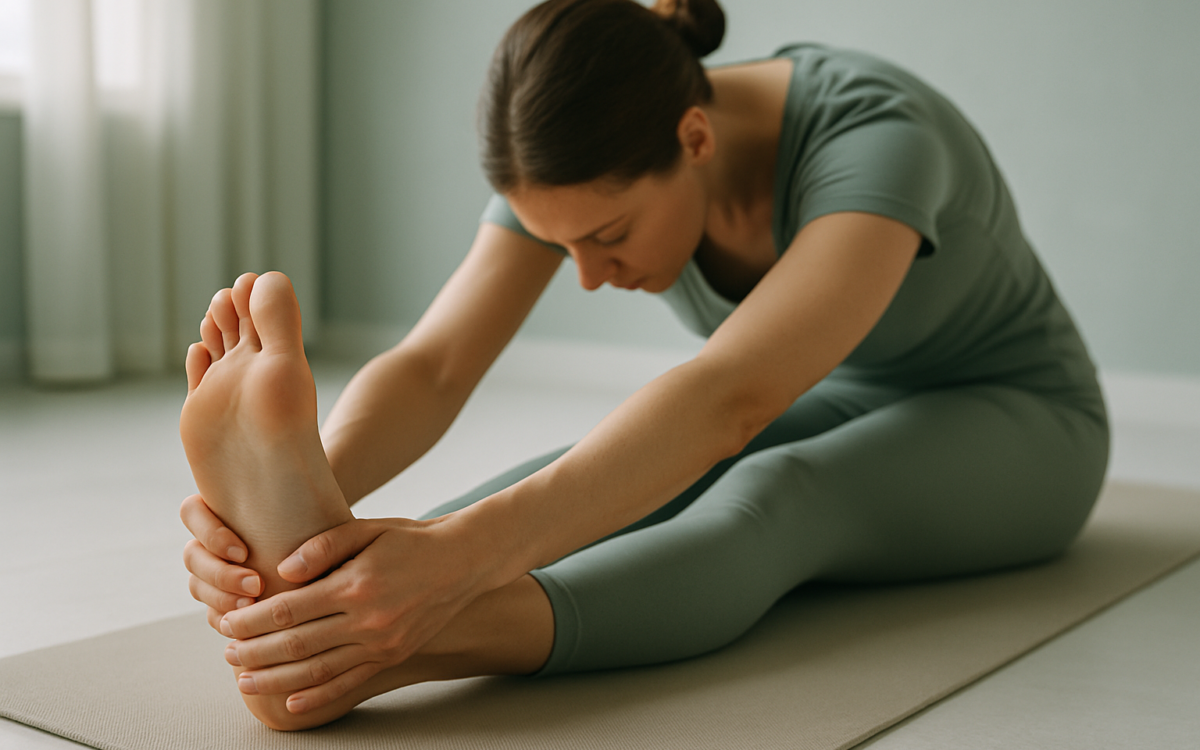
Flexibility and stretching are more than just components of a workout routine; they are essential elements of overall health and well-being. Whether you’re an athlete, a busy professional, or someone who simply enjoys movement, understanding the importance of flexibility can enhance your physical abilities and greatly improve your quality of life. In this article, we’ll explore what flexibility is, the benefits of stretching, various techniques, and tips to incorporate flexibility training into your routine.
What is Flexibility?
Flexibility refers to the ability of your joints and muscles to move through their full range of motion. This capability varies from person to person and can be influenced by factors such as age, genetics, and physical activity levels. A flexible body allows for greater ease of movement, which can contribute to improved performance in physical activities and a decrease in the risk of injury.
The Benefits of Stretching
Incorporating stretching into your fitness routine provides numerous benefits. Here are some of the most significant:
- Improved Range of Motion: Regular stretching increases flexibility, which can enhance your performance in sports and physical activities.
- Reduced Muscle Tension: Stretching aids in relieving tightness in muscles, fostering relaxation and reducing discomfort.
- Enhanced Circulation: Stretching can improve blood flow to your muscles, delivering them oxygen and nutrients needed for optimal function.
- Injury Prevention: Flexible muscles are less prone to strains and tears. Stretching helps prepare your body for activity and recover afterward, lowering the risk of injury.
- Better Posture: Many stretches target the muscles responsible for maintaining good posture, helping to alleviate tension and discomfort.
- Stress Relief: Engaging in stretching routines can promote relaxation, helping to ease stress and anxiety levels.
Types of Stretching Techniques
There are several types of stretching techniques, each serving different purposes:
Static Stretching
This method involves stretching a muscle to the point of mild tension and holding the position for a set time, typically between 15 to 60 seconds. Static stretching is often recommended after workouts as it helps cool down the body and promote flexibility.
Dynamic Stretching
Dynamic stretching consists of moving parts of your body through their full range of motion in a controlled manner. This type is ideal for warming up before a workout, as it prepares the body for physical activity by enhancing muscle temperature and elasticity.
Proprioceptive Neuromuscular Facilitation (PNF)
PNF stretching is a more advanced technique typically used in rehabilitation settings. It involves a combination of contracting and relaxing the targeted muscle group, often facilitated by a partner. This method can lead to increased flexibility and is effective in physical therapy.
Incorporating Stretching into Your Routine
Adding flexibility training to your lifestyle doesn’t have to be complicated. Here are some practical steps to get started:
- Start Slowly: If you’re new to stretching, begin with gentle movements and gradually increase the intensity and duration of your stretches.
- Create a Schedule: Dedicate specific times for stretching, whether during a warm-up or cool-down, or even on off days.
- Listen to Your Body: Pay attention to how your body feels during stretching. Only stretch to the point of mild discomfort, never to the point of pain.
- Include Variety: Incorporate different types of stretching techniques and target various muscle groups for a well-rounded approach.
- Consider Group Classes: Many fitness studios offer yoga or stretching classes, which can provide guidance and new techniques.
Common Myths about Stretching
Several misconceptions about stretching may hinder individuals from incorporating it into their routines. Here are a few common myths:
- Stretching is Only for Athletes: Everyone can benefit from stretching, regardless of athletic ability. It’s essential for daily activities and improving overall health.
- You Should Stretch Before Every Workout: Dynamic stretching is often more effective as a warm-up than static stretching. Static stretches are better suited for after workouts or on rest days.
- More Stretching Means More Flexibility: Quality is more important than quantity. Focus on proper form and technique rather than how many stretches you can do.
When to See a Doctor
If you experience persistent pain or discomfort while stretching, or if you are recovering from an injury, it’s essential to consult a healthcare professional. They can guide you on safe practices and appropriate exercises based on your individual needs. Additionally, a medical professional can help develop a customized plan that includes safe stretching techniques tailored to your fitness level.
Conclusion
Flexibility and stretching play crucial roles in maintaining physical health, enhancing performance, and preventing injuries. By incorporating a variety of stretching techniques into your routine, you can reap the benefits of improved mobility, reduced muscle tension, and overall well-being. Remember to listen to your body, stay consistent, and consult your doctor if you have any concerns. Embrace the journey toward greater flexibility, and you just might find yourself feeling more lively and active in your everyday life.
