
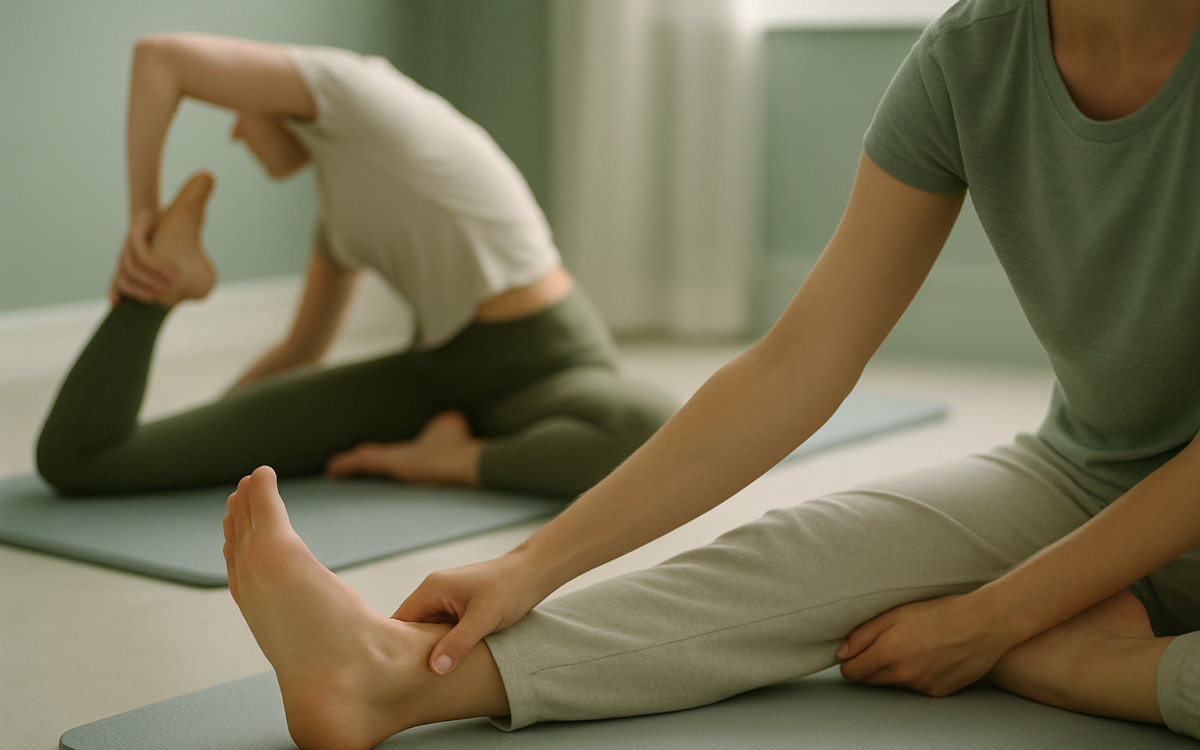
Flexibility is more than just a word associated with yoga classes or gymnasts; it plays a critical role in our overall health and well-being. Whether you’re an athlete, a casual exerciser, or someone just starting on a fitness journey, advancing your flexibility can bring numerous benefits. Let’s explore various flexibility examples that can be woven into your daily routine for a more agile and healthier life.
What Is Flexibility?
Flexibility refers to the ability of your muscles and joints to move through their full range of motion. Having good flexibility not only prevents injuries but also enhances performance in sports and daily activities. Individuals often overlook the importance of flexibility, focusing instead on strength building. However, both components are essential for a balanced fitness regimen.
Everyday Flexibility Examples
Incorporating flexibility exercises into your daily routine can be surprisingly easy and beneficial. Here are some simple examples:
1. Morning Stretch Routine
Kicking off your day with some gentle stretching can wake up your body and improve circulation.
- Neck Stretch: Gently tilt your head to one side, holding for 15-30 seconds, then switch sides.
- Shoulder Rolls: Roll your shoulders forward and backward in circular motions for 30 seconds.
- Chest Opener: Clasp your hands behind your back, straighten your arms, and lift them slightly while you open your chest.
2. Stretching During Breaks
Whether you’re working from home or in an office, infuse some stretching into your routine:
- Wrist and Finger Stretch: Extend your arm in front and gently pull back on your fingers to stretch your wrists.
- Torso Twist: While seated, place your right hand on the back of your chair, twist gently, and hold, then switch sides.
- Hip Flexor Stretch: Stand and take a step back with one foot, keeping the other foot forward and bent, then switch.
3. Flexibility during Exercise
No matter what type of workout you’re doing, don’t skip the flexibility component:
- Dynamic Stretching: Before a run, perform leg swings and arm circles to warm up your muscles.
- Cool Down Stretches: After a workout, spend 5-10 minutes doing static stretching of muscle groups targeted during your exercise.
4. Yoga and Pilates
Both yoga and Pilates are excellent ways to enhance flexibility and reinforce core strength:
- Forward Bend in Yoga: Stand with feet together, bend forward at the hips, and reach for your toes.
- Cat-Cow Stretch in Yoga: Start on all fours and alternate between arching and rounding your back.
- Roll Down in Pilates: Stand tall, and slowly roll your torso forward and down, one vertebra at a time.
Flexibility Examples in Sports
Different sports and activities have unique flexibility needs. Here are specific examples based on various athletic disciplines:
1. Team Sports
For athletes in sports such as soccer and basketball, dynamic stretching before games is essential:
- Leg Cradles: Stand tall, pull one leg up to your chest, and hold for a few seconds to loosen your hip flexors.
- Lateral Lunges: Step to the side and lunge to stretch the groin while preparing for directional movements.
2. Dance
Dancers require flexibility in unique ways:
- Splits: Practicing splits can greatly increase hip and leg flexibility.
- Backbends: These help improve spine flexibility and strength.
3. Martial Arts
In martial arts, flexibility contributes to techniques and movements:
- High Kicks: Stretching the hip flexors and hamstrings is crucial for executing high kicks.
- Spinning Techniques: Good flexibility enables smoother and higher rotations.
The Benefits of High Flexibility
Investing time in improving your flexibility can yield multiple advantages:
- Improved Physical Performance: Enhanced flexibility allows for better movement efficiency during physical activities.
- Reduced Risk of Injury: Flexible muscles can absorb impact better than tight ones, minimizing chances of strains and sprains.
- Better Posture: Flexibility exercises can help align your body and improve overall posture.
- Aids Recovery: Stretching post-exercise assists in muscle recovery and reduces soreness.
When to See a Doctor
If you experience persistent pain or discomfort while trying to improve your flexibility, it’s essential to consult with a healthcare provider. They can assess any underlying conditions that could affect your ability to stretch or perform physical activities safely. This is particularly important if you have pre-existing injuries or chronic conditions.
In conclusion, flexibility is a crucial aspect of health that everyone can benefit from. By incorporating simple flexibility examples into your daily routine, you contribute positively to your overall wellness. Whether through stretches, yoga, or sports-specific practices, dedicating time to improving your flexibility can lead to a more fulfilled and active life.
