
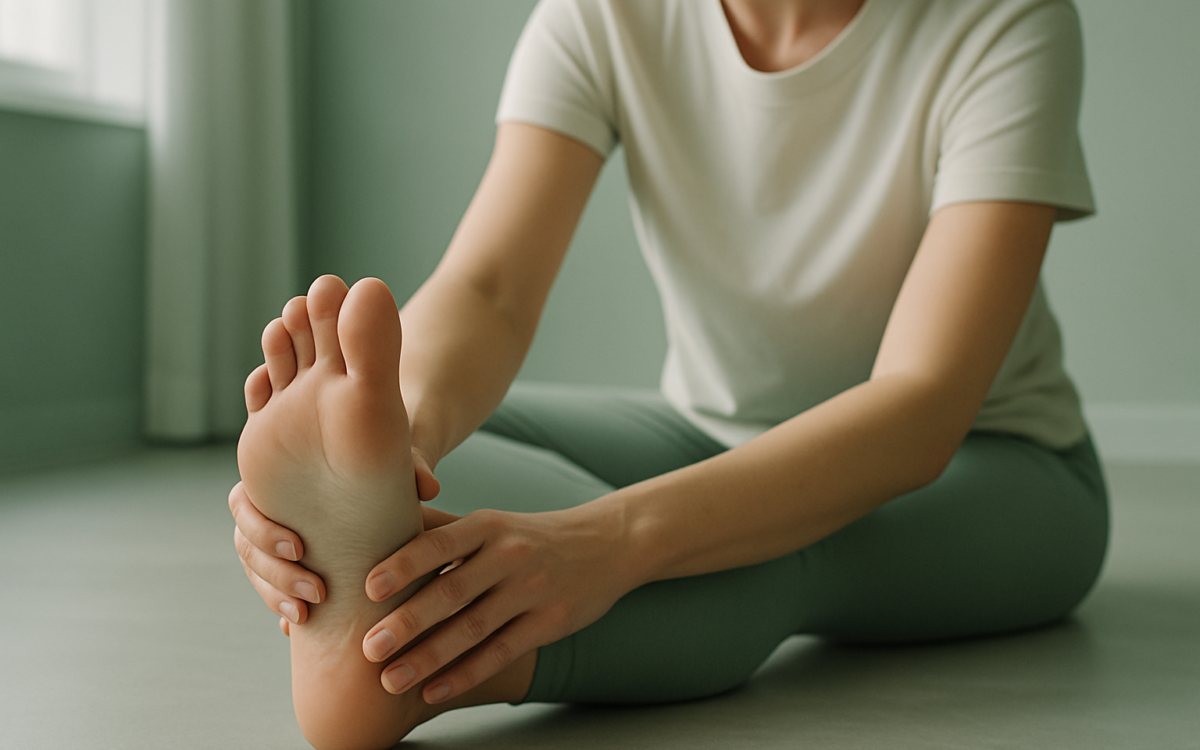
If you’re looking to improve your flexibility, reduce muscle tension, or simply feel better in your body, stretching is key. It’s often overlooked, yet the benefits of stretching are profound and can enhance your overall fitness routine. Whether you’re an athlete or someone who mostly sits at a desk, incorporating stretching into your daily life can make a big difference.
What is stretching?
Stretching is the process of gently elongating muscles, tendons, and other soft tissues. This simple activity helps maintain and improve flexibility, which is your body’s ability to move through its range of motion. Stretching can be done in a variety of ways and can be tailored to fit your individual needs.
Why should you stretch?
The benefits of stretching are numerous. Here are a few reasons to make stretching a regular part of your routine:
- Increased flexibility: Regular stretching can improve your range of motion, making everyday activities easier.
- Tension relief: Stretching can help to relieve muscle tightness and tension, which can occur after extended periods of inactivity.
- Improved posture: By stretching the muscles responsible for maintaining good posture, you can reduce strain and pain in your back and neck.
- Enhanced performance: For athletes, stretching can improve performance in sports by increasing muscle elasticity and range of motion.
When should you stretch?
It’s important to know when to stretch to maximize its benefits. The best times to stretch include:
- Before exercising: Performing dynamic stretches (gentle moving stretches) can warm up your muscles and prepare your body for activity.
- After exercising: Static stretches (holding a stretch) help cool down your muscles and can aid in recovery.
- Throughout the day: Taking quick stretching breaks, especially if you sit for long periods, can reduce stiffness and improve circulation.
Basic stretching techniques you can try
Here are some basic techniques to get you started. Always remember to listen to your body and never push through pain.
Dynamic stretching
This type involves movement. Here are a few examples:
- Arm circles: Stand with your arms out to the sides and make small circles.
- Leg swings: Stand on one leg and swing the other leg forward and backward.
Static stretching
This involves holding a stretch for a certain period. Here are some easy static stretches:
- Hamstring stretch: Sit with one leg extended and reach for your toes.
- Cat-cow stretch: On all fours, alternate between arching and rounding your back.
The role of stretching in international fitness
Did you know that many fitness philosophies around the world place a strong emphasis on stretching? Practices like yoga and Pilates focus heavily on flexibility, balance, and strength, underscoring the importance of stretching in holistic well-being. If you’re considering engaging with international fitness trends or seeking specialized treatment in Turkey, exploring options like yoga retreats or wellness programs may broaden your understanding of stretching and its advantages.
Common mistakes to avoid
While stretching can be beneficial, there are common pitfalls to watch out for:
- Stretching cold muscles: Always warm up your muscles before stretching to avoid injury.
- Holding your breath: Remember to breathe during your stretches; it can help you relax and go deeper into the stretch.
- Rushing through stretches: Take your time; holding a stretch for 15-30 seconds is generally recommended.
When to see a doctor
If you experience significant discomfort while stretching or if injuries occur frequently, it’s wise to consult a healthcare professional. Conditions like persistent muscle pain, stiffness that doesn’t improve, or severe strains should be evaluated by a doctor. They can help determine an appropriate plan to address your concerns and improve your flexibility safely.
Incorporating stretching into your daily routine can improve your flexibility, reduce tension, and enhance your overall well-being. With these simple techniques, you can cultivate a practice that supports your health and fitness goals.
