
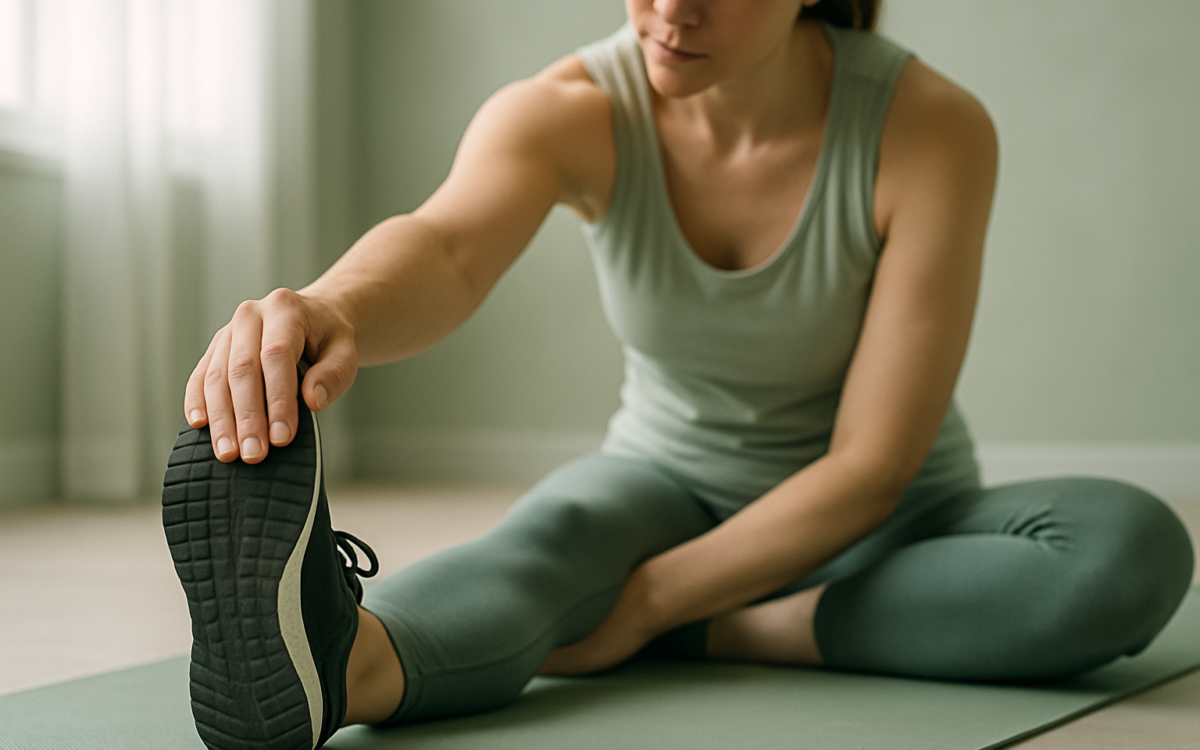
Stretching is often overlooked, yet it plays a vital role in any fitness routine. For beginners, learning how to stretch properly can offer significant benefits, including improved flexibility, better posture, and reduced risk of injury. In this guide, we will explore different types of stretching, the benefits of incorporating stretching into your routine, and some beginner-friendly techniques you can try.
Understanding Different Types of Stretching
Before diving into specific techniques, it’s helpful to understand the various types of stretching available:
- Static Stretching: This is the most common form, where you hold a stretch for a specific amount of time, usually between 15 to 60 seconds. It’s best done after a workout when your muscles are warm.
- Dynamic Stretching: Involves movement, focusing on gradually increasing your range of motion. These stretches are great for warming up before physical activity.
- Ballistic Stretching: This technique uses the momentum of the body to push yourself beyond your normal range of motion. It’s often not recommended for beginners because it can lead to injury.
- PNF Stretching: Proprioceptive Neuromuscular Facilitation combines static stretching and contracting of the muscle group being targeted. This advanced technique requires a partner and is more complex.
Why Stretching Matters
Incorporating stretching into your routine brings numerous benefits:
- Improved Flexibility: Regular stretching enhances your range of motion, making everyday tasks easier. Improved flexibility can also contribute to better athletic performance.
- Enhanced Posture: Stretching can help alleviate tension in tight muscles, thereby improving your overall posture. Good posture can reduce fatigue and discomfort.
- Injury Prevention: Stretching increases blood flow to your muscles, which can help prevent injuries during physical activities. It prepares your muscles and joints for more strenuous activity.
- Stress Relief: Stretching has been found to reduce stress levels and promote relaxation. Taking a few moments to stretch during the day can improve your mood.
Essential Stretching Techniques for Beginners
Here are some beginner-friendly stretches to get you started:
1. Neck Stretch
Gently tilt your head to one side to stretch the opposite side of your neck. Hold for 15-30 seconds, then switch sides.
2. Shoulder Stretch
Bring one arm across your body and hold it with your opposite arm. Hold this position for 15-30 seconds, feeling the stretch in your shoulder. Switch arms.
3. Standing Quadriceps Stretch
Stand and grab one ankle behind you, pulling it towards your glutes. Keep your knees together and hold for 15-30 seconds. Switch legs.
4. Hamstring Stretch
Sit on the floor with one leg extended and the other leg bent. Reach towards your toes of the extended leg while keeping your back straight. Hold for 15-30 seconds, then switch legs.
5. Child’s Pose
Kneel on the floor and sit back on your heels. Reach your arms forward on the floor and relax into the stretch. Hold for 30 seconds to a minute.
Tips for Effective Stretching
To maximize your stretching routine, consider these helpful tips:
- Warm Up First: Never stretch cold muscles. Spend a few minutes doing light cardio to warm up your body.
- Don’t Bounce: Stretch slowly and avoid bouncing, which can cause injuries. Hold each stretch steadily.
- Breathe Deeply: Focus on your breathing while stretching. Inhale deeply before each stretch and exhale when you go into the stretch.
- Stay Consistent: Make stretching a regular part of your routine, aiming for at least 2-3 times a week.
When to See a Doctor
If you experience persistent pain or discomfort while stretching, it’s important to consult with a healthcare professional. Conditions such as tendonitis, strains, or any underlying health issues may require medical attention. The Mayo Clinic offers valuable resources for understanding pain management and injury recovery.
Conclusion
Stretching is a simple yet effective way to enhance your overall health, especially for beginners. By incorporating basic stretching techniques into your routine, you can improve flexibility, prevent injury, and create a sense of well-being. Remember to approach stretching with mindfulness, listen to your body, and enjoy the journey toward greater flexibility.
