
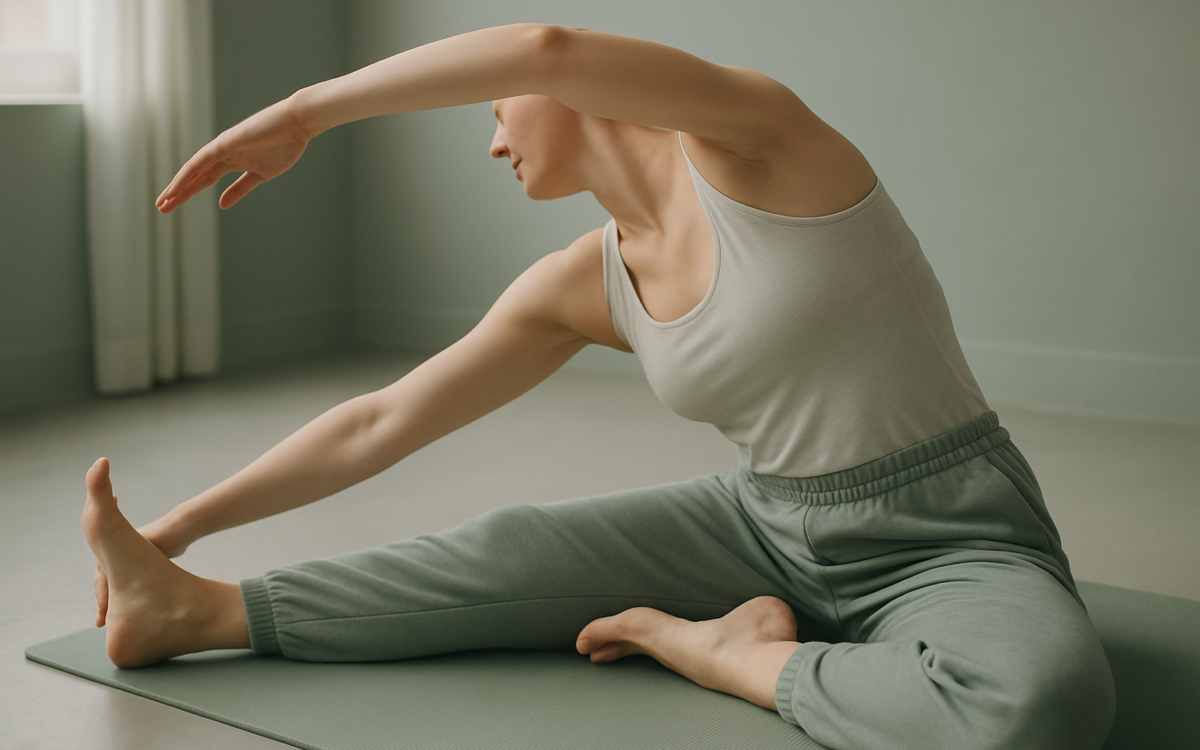
Stretching is often an overlooked component of any fitness routine, yet it plays a vital role in enhancing overall health and well-being. A whole body stretching routine can improve flexibility, reduce tension, and help you feel relaxed and rejuvenated. Whether you’re an athlete, a desk worker, or someone just looking to maintain a healthy lifestyle, incorporating regular stretching can greatly benefit you.
The Benefits of Whole Body Stretching
Engaging in a whole body stretching routine has numerous benefits. Here are some key advantages:
- Increased Flexibility: Stretching helps to elongate the muscles and improve your range of motion. This is especially beneficial for those who may experience stiffness from daily activities.
- Reduced Muscle Tension: Stretching can relieve tightness in your muscles, helping you feel more comfortable and relaxed.
- Improved Posture: Regular stretching strengthens your muscles, particularly those that support your spine, which plays a crucial role in maintaining good posture.
- Enhanced Circulation: Stretching increases blood flow to your muscles, delivering oxygen and essential nutrients that promote recovery and reduce soreness.
- Mental Relaxation: Stretching can also serve as a mindful exercise, allowing you to reconnect with your body and relieve stress.
Creating a Whole Body Stretching Routine
A well-rounded stretching routine can be performed in just 15-30 minutes. Aim to stretch at least 3-4 times a week for best results. Here’s a simple routine that targets major muscle groups:
1. Neck Stretch
Gently tilt your head to the right and hold for 15 seconds, then switch to the left side. This helps relieve tension in the neck area.
2. Shoulder Stretch
Bring your right arm across your body and hold it with your left hand for 15 seconds. Repeat with the other arm to release tension in your shoulders.
3. Chest Opener
Stand tall and clasp your hands behind your back, straightening your arms as you lift them slightly. Hold for 15-30 seconds to stretch your chest.
4. Cat-Cow Stretch
On all fours, arch your back up like a cat and hold for a few seconds, then lower your belly and lift your head for the cow pose. Repeat 5 times to loosen up your spine.
5. Hamstring Stretch
Sitting on the floor, extend one leg while bending the other. Reach towards your toes on the extended leg. Hold for 15 seconds and switch sides. This helps with lower body flexibility.
6. Quadriceps Stretch
Stand on one foot, holding the other foot behind you. Gently pull your heel towards your glutes, and hold for 15 seconds before switching sides. This stretches the front of your thighs.
Incorporating Stretching into Your Day
Integrating stretching into your daily routine can be easy and beneficial. Here are a few tips:
- Set a Schedule: Plan your stretches at specific times each day—perhaps in the morning upon waking or in the evening before bed.
- Use Reminders: If you’re busy, consider setting reminders or using smartphone apps to prompt you to take stretching breaks during the day.
- Listen to Your Body: Pay attention to how your body feels. If you experience pain while stretching, ease up and adjust the stretch to your comfort level.
Mindful Stretching Practices
Mindful movement can enhance your stretching experience by fostering greater awareness of your body and breath. Consider adding breathwork or meditation into your stretching practice:
- Focus on Your Breath: Inhale and exhale deeply as you stretch, allowing your breath to guide your movements.
- Practice Visualization: Close your eyes and visualize your muscles loosening and relaxing during each stretch.
- Engage Your Senses: Notice the sensations in your muscles and joints as you move, promoting a deeper connection between your body and mind.
When to See a Doctor
While stretching is generally safe for most individuals, it’s important to consult your doctor if you experience persistent pain, stiffness, or any concerning symptoms after stretching. Additionally, if you have any existing medical conditions or recent injuries, it’s advisable to seek guidance before starting a new stretching routine.
Conclusion
A simple whole body stretching routine can enhance your flexibility, help you relax, and improve your overall well-being. By incorporating these stretches into your daily life, you’re giving your body the care it needs to thrive. Remember to listen to your body, stay mindful during your practice, and consult a healthcare professional if you have any concerns. Embrace the benefits of stretching and feel the difference in both body and mind!
