
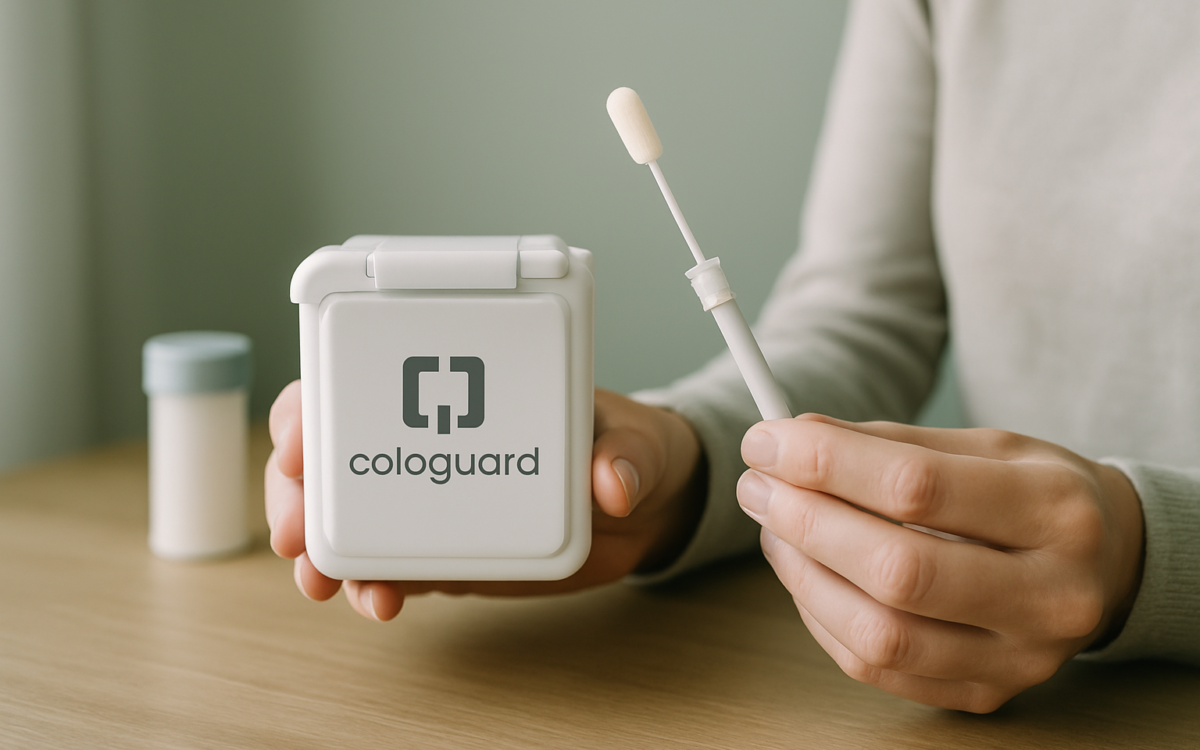
The Colon Guard Test is a groundbreaking development in the realm of colorectal cancer screening. With increasing awareness about the disease and the importance of early detection, this test offers an innovative way to assess colon health. But what exactly is the Colon Guard Test, and how does it work? In this article, we will delve into the details of this test, its procedure, benefits, and overall significance in preventive health.
What is the Colon Guard Test?
The Colon Guard Test is a non-invasive stool DNA test that aims to detect early signs of colorectal cancer and precancerous polyps. Unlike traditional colonoscopies, which often require special preparation and can be uncomfortable, the Colon Guard Test allows individuals to collect a sample in the privacy of their own home. This test examines stool samples for specific genetic markers that cancer cells release, thus providing insights into one’s risk of colorectal malignancies.
How Does the Colon Guard Test Work?
The process of the Colon Guard Test is simple and straightforward. Here’s how it works:
- Sample Collection: You will receive a kit containing everything you need to collect a stool sample at home. The kit includes detailed instructions for proper sample collection.
- Sending the Sample: Once you have collected your sample, you send it back to the laboratory using the prepaid packaging provided in the kit.
- Lab Analysis: At the laboratory, the sample is analyzed for specific DNA markers associated with colorectal cancer and precancerous polyps.
- Results: You will then receive your results via your healthcare provider, usually within a few weeks.
This method of testing offers a convenient alternative for those who may be hesitant to undergo a traditional colonoscopy.
Who Should Consider the Colon Guard Test?
The Colon Guard Test is generally suitable for adults aged 45 and older, as the risk of developing colorectal cancer increases with age. However, it can also be considered for those who have a family history of the disease or other risk factors that may necessitate earlier screening. According to the CDC, regular screenings are crucial for detecting precancerous cells before they develop into cancer.
The Benefits of the Colon Guard Test
Many individuals find the Colon Guard Test appealing for several reasons:
- Non-Invasive: As mentioned earlier, the test is non-invasive and does not require the same preparation as a colonoscopy.
- Convenience: You can complete the test in the comfort of your home without needing to take time off work or arrange for transportation.
- Early Detection: The test is designed to catch signs of cancer early, which can significantly improve treatment success rates, as highlighted by studies published in peer-reviewed medical journals.
- Less Discomfort: Unlike traditional procedures, this test is much less uncomfortable, which may encourage more people to get screened.
Limitations of the Colon Guard Test
While the Colon Guard Test has many advantages, it is not without its limitations:
- Not a Replacement for Colonoscopy: If the test results are positive, a follow-up colonoscopy is necessary to make a definitive diagnosis.
- Potential for False Positives: Like any screening test, it is possible to receive a false positive result, meaning it indicates cancer when none is present, leading to unnecessary stress and further procedures.
- Limited Age Range: Currently, the test is recommended for those aged 45 and older, potentially excluding younger populations who may be at risk.
Understanding these limitations is essential when considering the Colon Guard Test as part of your health screening routine.
Future of Colorectal Cancer Screening
The Colon Guard Test represents just one approach to colorectal cancer screening. As technology continues to evolve, we can expect further advancements in non-invasive testing methods. Ongoing research is focused on improving the accuracy, availability, and effectiveness of these tests to help more individuals proactively manage their colon health.
Healthcare professionals, including those at the Mayo Clinic, emphasize the need for personalized screening strategies based on individual health histories and risk factors. Open communication with healthcare providers is essential for determining the best approach to screening.
When to See a Doctor
Even with regular screenings, individuals should consult a healthcare provider if they experience any unusual symptoms such as:
- Changes in bowel habits
- Unexplained weight loss
- Blood in the stool
- Persistent abdominal pain
These symptoms could indicate a range of health issues, not just colorectal cancer, and should be addressed as soon as possible.
It’s crucial to speak with your doctor about your screening options and establish a schedule that aligns with your individual health needs.
In conclusion, the Colon Guard Test is a significant step forward in colorectal cancer screening. With its convenient and non-invasive approach, it may encourage more individuals to participate in essential health screenings. As research in this area continues to evolve, staying informed and proactive about your health is key. Be sure to have regular conversations with your healthcare provider to determine the best screening strategy for you.
