
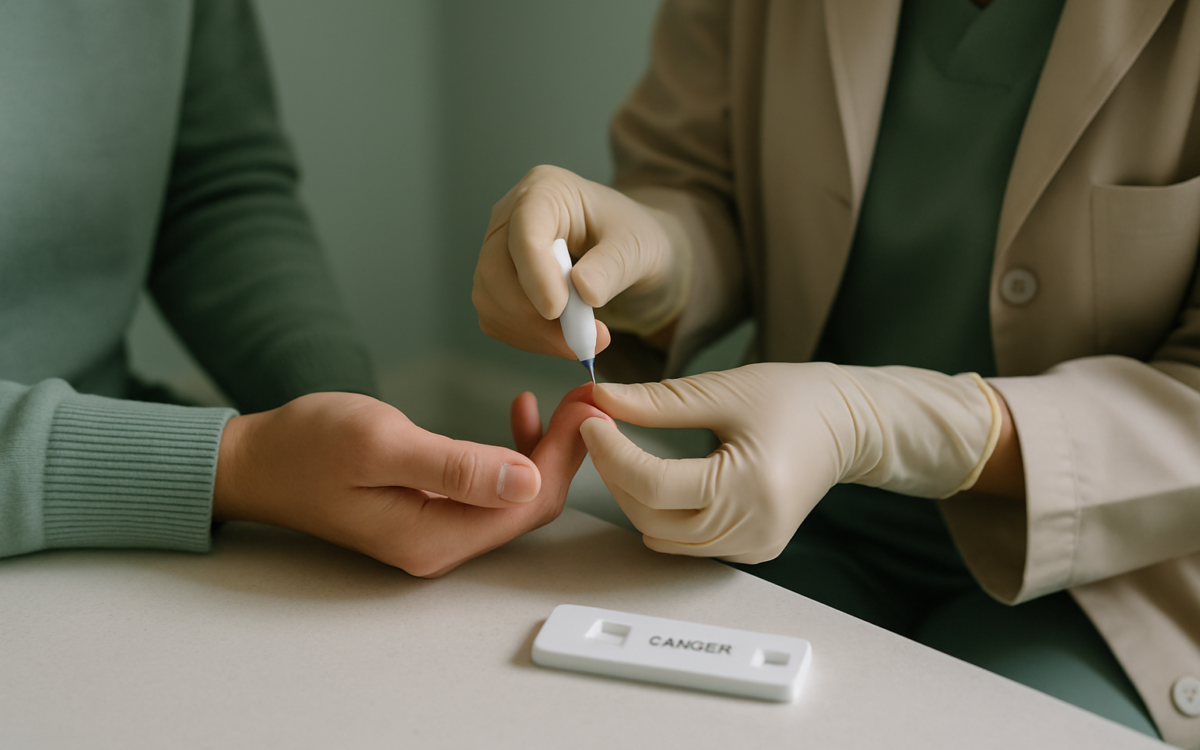
Catching cancer in its early stages can lead to more effective treatments and improved chances of survival. Early cancer detection tests, while not foolproof, play a crucial role in identifying cancers when they are most treatable. This article explores the different types of tests available, what to expect, and their importance in the healthcare landscape.
What Are Early Cancer Detection Tests?
Early cancer detection tests are medical examinations or procedures designed to find cancer before symptoms occur. These tests screen for changes in the body that could indicate the presence of cancer. When detected early, many types of cancer can be treated more successfully, improving survival rates significantly.
The Importance of Early Detection
Early detection can mean the difference between a treatable cancer and a more advanced disease. According to the National Cancer Institute, early-stage cancers are often smaller and haven’t spread, leading to higher survival rates. For example, breast cancer has a five-year survival rate of 99% when detected early compared to just 27% when diagnosed at a more advanced stage.
Common Early Cancer Detection Tests
Several types of tests are available, depending on the type of cancer and individual risk factors. Here are some common early detection procedures:
- Mammograms: These X-ray tests can detect breast cancer in women before any physical symptoms appear.
- Pap Tests: A Pap smear can identify early cervical changes that could lead to cancer, allowing for timely treatment.
- Colonoscopy: This procedure can detect early signs of colon cancer and remove polyps that may develop into cancer.
- Prostate-Specific Antigen (PSA) Test: A blood test that measures PSA levels can help detect prostate cancer early.
- Skin Examinations: Regular checks for unusual moles or skin changes can help detect skin cancer early.
Who Should Get Screened?
While everyone should be aware of their health, specific screening recommendations depend on age, sex, and personal risk factors. It’s crucial to discuss these factors with a healthcare provider to determine the right screening schedule for you. The CDC provides guidelines on cancer screening based on the population’s demographic factors.
Understanding the Risks and Limitations
Although early cancer detection tests can be lifesaving, they are not perfect. False positives and negatives can occur, leading to unnecessary anxiety or missed diagnoses. A false positive may suggest cancer when there isn’t any, prompting further testing that may not have been needed. On the other hand, a false negative could provide a false sense of security, delaying necessary treatment.
Moreover, some tests come with their own risks. For instance, a colonoscopy involves sedation and can lead to complications, though these are rare. Always discuss the potential risks and benefits of screening tests with your healthcare provider.
Staying Informed and Proactive
Education about cancer detection is vital for prevention. Knowledge empowers individuals to make informed decisions regarding their health. Regular checkups and screenings can help detect cancer early, but understanding personal risk factors is equally important. Factors such as family history, lifestyle, and genetic predisposition can influence both the need for screening and the type of tests recommended.
The World Health Organization emphasizes the importance of early detection and education in reducing cancer mortality rates worldwide.
When to See a Doctor
While screenings are useful, they cannot replace regular check-ups. Consult a healthcare provider if you experience symptoms such as unexplained weight loss, persistent pain, or unusual changes in your body that concern you. Your physician can guide when to start screening based on your age and risk factors.
Conclusion
Early cancer detection tests can play a pivotal role in catching cancer in its earliest and most treatable stages. Understanding these tests, who they benefit, and their limitations is essential for making informed health decisions. Consult with your healthcare provider to stay ahead of the curve and ensure you receive appropriate screenings tailored to your individual needs.
