
Heart disease remains one of the leading health issues worldwide, impacting millions of lives. One crucial aspect of understanding heart disease is recognizing when there might be a blockage in the arteries that supply blood to the heart itself. Heart blockage tests are essential tools in diagnosing and assessing this condition, providing valuable insights into an individual’s heart health. This article delves into what heart blockage tests are, how they work, and why they matter.
What is a heart blockage test?
A heart blockage test is a diagnostic procedure that helps physicians evaluate whether there are blockages in the coronary arteries or electrical conduction pathways of the heart. These tests can identify conditions such as coronary artery disease, myocarditis, and arrhythmias which may lead to severe complications if untreated.
Common types of heart blockage tests
There are several types of tests that may be employed to detect heart blockages. Here are some of the most common:
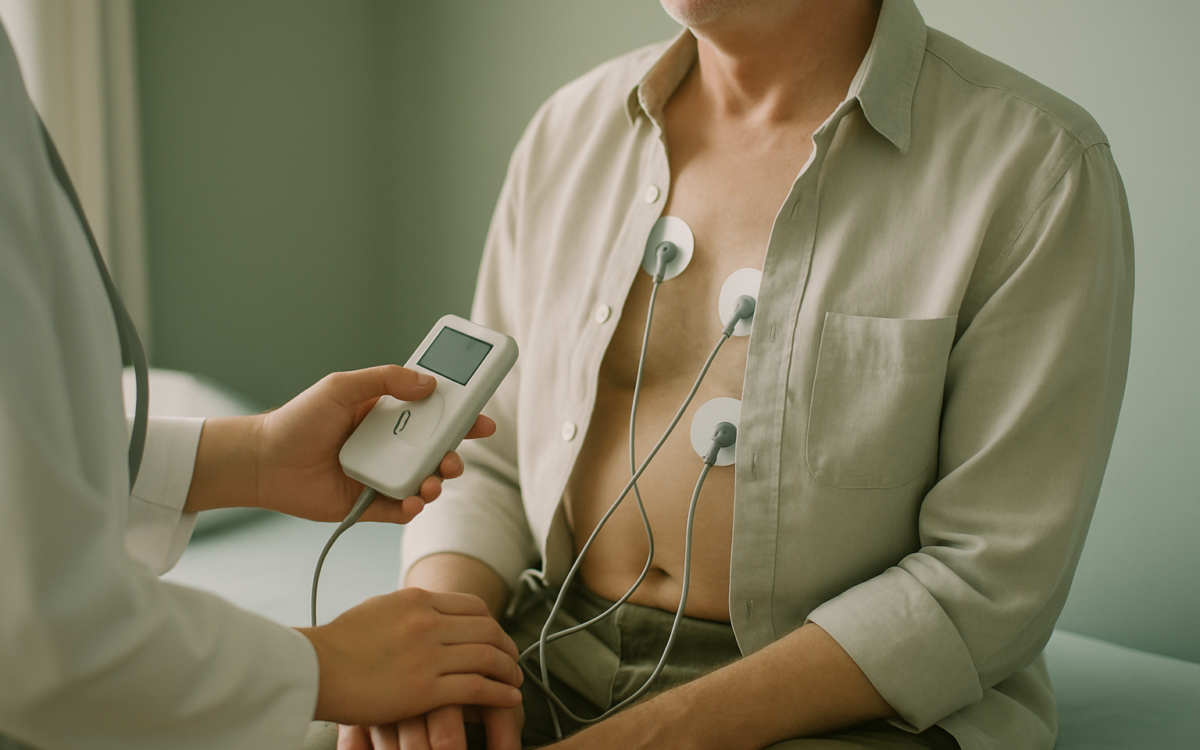
- Electrocardiogram (ECG or EKG): This simple test records the electrical activity of your heart. It helps identify arrhythmias and blockages within the electrical conduction system of the heart.
- Stress test: Often conducted with an EKG, a stress test measures how well your heart performs under physical stress. This can be done by exercising on a treadmill or through medications.
- Echocardiogram: An echocardiogram uses sound waves to create images of your heart’s structure and function. This test can reveal how well your heart is pumping and if there are any areas that may be lacking blood flow.
- Coronary Angiography: This is an imaging test that uses X-rays to see your heart’s blood vessels. A special dye is injected into your arteries to help them show up clearly on the X-ray images.
- Cardiac CT or MRI: These advanced imaging methods provide detailed pictures of the heart and coronary vessels, allowing for the evaluation of blockages.
Why are heart blockage tests important?
Heart blockage tests are critical in diagnosing potential heart diseases that could lead to serious health issues, including heart attacks. Early identification of blockages means that preventive measures and treatments can be implemented, such as lifestyle changes, medication, or even surgical interventions. Moreover, these tests can also help in assessing the effectiveness of ongoing treatments for heart conditions.
Symptoms that may prompt testing
It’s essential to be aware of certain symptoms that might suggest the presence of a heart blockage. If you experience any of the following, it’s important to talk to your healthcare provider:
- Chest pain or discomfort, especially during physical exertion or stress
- Shortness of breath
- Lightheadedness or dizziness
- Palpitations or irregular heartbeats
- Fatigue that seems out of proportion to your activity level
Recognizing these symptoms early can lead to timely testing and treatment, potentially saving lives.
Preparing for your heart blockage test
Preparation for a heart blockage test can vary based on the type of test being administered. Here are some general tips that may help:
- Before the test: Your doctor will provide specific instructions, which may include fasting for a certain period or avoiding caffeine.
- Medications: Inform your doctor about any medications you’re taking, as some may need to be paused before the test.
- Wear comfortable clothes: If it’s a stress test, wear appropriate shoes and clothing that facilitate movement.
Following your doctor’s guidance carefully will help ensure accurate results and enhance your overall experience.
Possible Risks and Concerns
Generally, heart blockage tests are safe and well-tolerated; however, like any medical procedure, they can carry some risks. For instance:
- Some individuals may feel slight discomfort during an EKG or echocardiogram, but these sensations usually subside quickly.
- A stress test might result in temporary symptoms like fatigue or shortness of breath, but these are typically short-lived.
- In rare cases, procedures like coronary angiography might lead to complications, including bleeding or allergic reactions to contrast dye.
It’s crucial to discuss any concerns with your healthcare provider, as they can explain the risks and benefits associated with the specific tests you may undergo.
When to see a doctor
If you’re experiencing any symptoms related to heart health, or if you have risk factors such as diabetes, obesity, or a family history of heart disease, it’s important to consult with a doctor. They can guide you regarding whether a heart blockage test is necessary based on your individual health profile and risk factors.
Additionally, if you’ve been previously diagnosed with a heart condition and notice changes in your symptoms, seek medical attention promptly. Early detection and intervention can play a pivotal role in managing heart health.
In conclusion, understanding heart blockage testing empowers individuals to take charge of their heart health. With the right knowledge and timely testing, potential cardiovascular issues can be identified early, leading to more favorable outcomes. Remember, if you’re ever in doubt, don’t hesitate to consult your healthcare provider for guidance tailored to your needs.
