
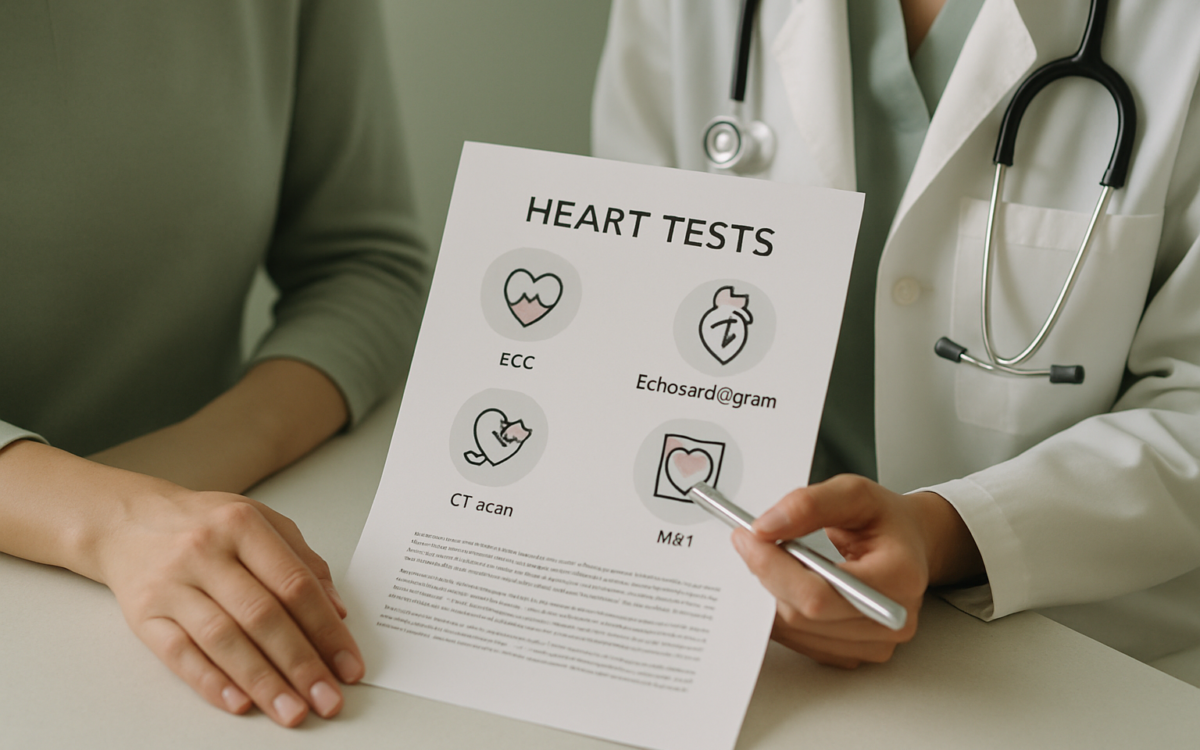
Heart disease is a leading cause of death worldwide, making it vital to keep our hearts healthy. One way to monitor heart health is through various tests. These tests can help identify any issues early on, allowing for prompt treatment and management. In this article, we’ll explore common heart tests, what they entail, and why they are essential for your well-being.
Electrocardiogram (ECG or EKG)
An Electrocardiogram, often called an ECG or EKG, is a quick and painless test that records the electrical activity of your heart. This test can detect irregular heartbeats, known as arrhythmias, and provide essential information about your heart’s size and positioning.
How It Works
During an ECG, small electrodes are placed on your skin, usually around your chest, arms, and legs. These electrodes capture electrical signals from your heart, which are then displayed as waves on a monitor. Your healthcare provider can analyze these waves to identify any abnormalities.
Why It’s Important
ECGs are crucial in diagnosing heart conditions, such as coronary artery disease and heart attacks. They may also be used to monitor the effectiveness of heart medications or check the heart’s rhythm.
Echocardiogram
The echocardiogram, or echo, is an ultrasound of the heart. It uses sound waves to create images of the heart’s structure and function, providing valuable information about how well your heart pumps blood.
How It Works
During an echo, a technician will place a small device called a transducer on your chest. This device sends out sound waves that bounce off your heart and return to the transducer. The resulting images provide a live view of your heart’s chambers, valves, and blood flow.
Why It’s Important
An echocardiogram can identify various heart conditions, including heart valve problems, congenital heart defects, and even signs of heart disease. The test is non-invasive and safe, making it a valuable tool in diagnosing heart issues.
Stress Test
A stress test, often called an exercise stress test, evaluates how well your heart performs under physical exertion. This test can reveal issues with blood flow within the heart.
How It Works
<pDuring a stress test, you may be asked to walk on a treadmill or ride a stationary bike while your heart rate, blood pressure, and ECG are monitored. If you're unable to exercise, a medication may be given to mimic the effects of exercise on your heart.
Why It’s Important
Stress tests can help determine how much stress your heart can tolerate and are useful in diagnosing coronary artery disease and evaluating exercise programs. They also allow doctors to tailor treatments based on individual needs.
Coronary Angiography
Coronary angiography is a more invasive procedure that examines the blood vessels supplying your heart. It typically follows other tests if there are concerns about heart disease.
How It Works
In this procedure, a thin tube called a catheter is inserted into a blood vessel, usually in your wrist or groin. A contrast dye is injected through the catheter, which helps highlight the blood vessels on X-ray images.
Why It’s Important
This test can reveal blockages or narrowing in your coronary arteries, helping your doctor plan treatment options like angioplasty or surgery if needed.
Holter Monitor
A Holter monitor is a portable device worn for a day or more to continuously record your heart’s rhythms. This test is especially helpful for detecting irregular heartbeats that may not appear during a standard ECG.
How It Works
The monitor is attached to your skin with electrodes, just like an ECG, but it will record your heart activity over an extended period, typically 24 to 48 hours. Patients are usually asked to maintain a diary of their activities during this time.
Why It’s Important
By capturing heart rhythms over time, a Holter monitor can help identify arrythmias and correlate them with symptoms or activities, leading to a better understanding of an individual’s heart health.
When to See a Doctor
If you experience symptoms such as chest pain, shortness of breath, dizziness, or an irregular heartbeat, it is crucial to consult your healthcare provider. Regular check-ups and discussing any concerns about heart health with your doctor can help you stay preventive and proactive about your heart.
Conclusion
Heart tests are vital tools in monitoring and diagnosing heart health issues. By understanding the different types of tests and their purposes, you can engage more actively in conversations about your heart health. Always consult with your healthcare provider for personalized advice and recommendations. For more information on heart health, you can visit reliable sources like the CDC, Mayo Clinic, and WHO.
