
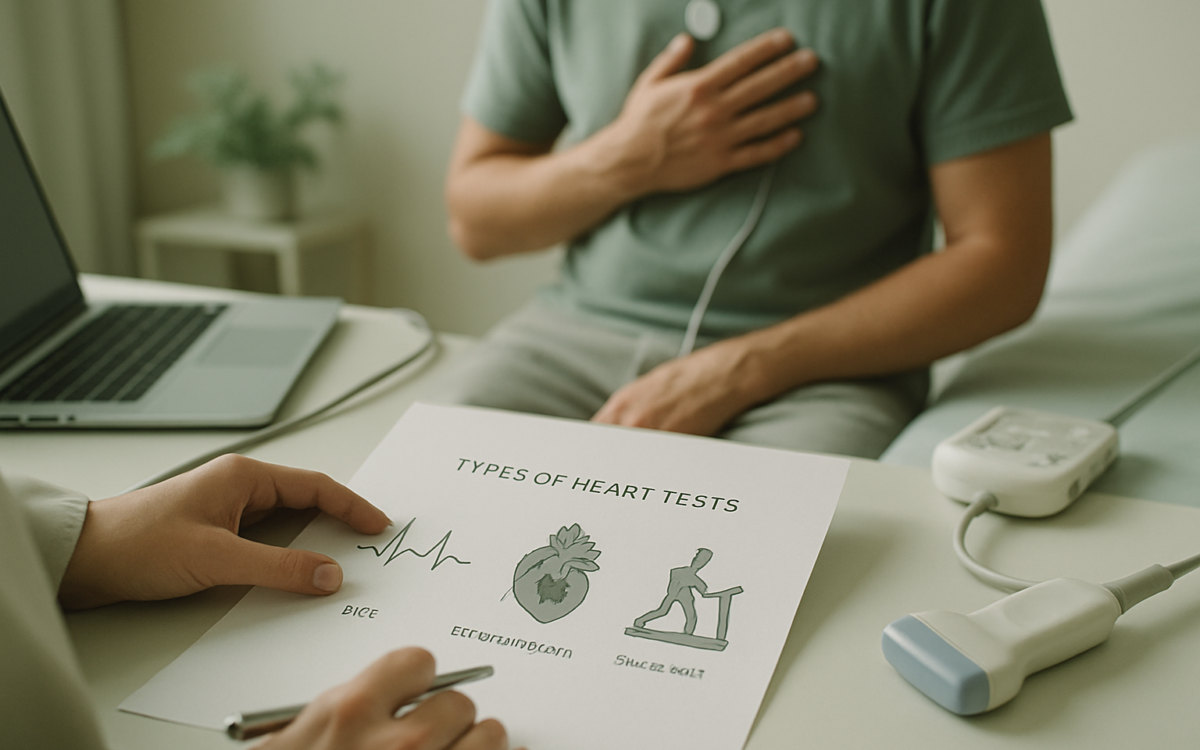
Your heart is at the center of your health, playing a crucial role in keeping your body functioning properly. Heart disease is a leading cause of death worldwide, making it essential to monitor cardiovascular health. Luckily, various heart tests are available to help assess the condition of your heart. Understanding these tests can empower you to take charge of your heart health and better communicate with your healthcare provider.
What Are Heart Tests?
Heart tests are medical procedures used to evaluate the function and health of your heart. These tests can help diagnose conditions, assess the effectiveness of treatments, or monitor the progression of heart disease. While it may seem daunting, most heart tests are straightforward and minimally invasive.
1. Electrocardiogram (EKG or ECG)
The electrocardiogram, commonly referred to as an EKG or ECG, is one of the most fundamental tests used to assess heart health. This test records the electrical activity of your heart over a period to provide insight into your heart’s rhythm and general condition.
How it works
During an EKG, small electrodes are attached to your skin, usually on your chest, arms, and legs. These electrodes detect electrical signals produced by your heart as it beats. The data collected is displayed as a graph, allowing healthcare providers to identify irregularities in heart rhythm, signs of a previous heart attack, or other heart diseases.
Benefits
- Quick and painless
- Provides immediate results
- Useful for diagnosing arrhythmias, heart attacks, and other heart diseases
2. Echocardiogram
An echocardiogram, or echo, is an ultrasound of the heart. This test uses sound waves to create images of your heart’s structure and function, allowing healthcare providers to evaluate the heart’s chambers, valves, and overall performance.
How it works
During the procedure, a technician applies a gel to your chest and uses a wand-like device called a transducer to send sound waves into your chest. These sound waves bounce off your heart, and the echo is converted into real-time images that help in diagnosing heart conditions.
Benefits
- Non-invasive and safe
- Provides detailed visual information about heart structure
- Helps diagnose issues like valve problems, cardiomyopathy, and congenital heart defects
3. Stress Test
A stress test, also known as an exercise test, evaluates how your heart performs under physical stress. This test is crucial for assessing cardiovascular fitness and can help determine how well your heart works during exercise.
How it works
During a stress test, you’re typically asked to walk on a treadmill or pedal a stationary bike. Gradually, the intensity of the exercise increases. Your heart’s response is monitored via EKG, blood pressure measurements, and other diagnostic tools. Sometimes, a medication may be administered to mimic the effects of exercise if you are unable to workout.
Benefits
- Assesses how well your heart handles physical activity
- Helps detect coronary artery disease
- Evaluates the effectiveness of heart medications or treatment plans
4. Holter Monitor
A Holter monitor is a portable device that records your heart’s electrical activity continuously for 24-48 hours, allowing for a more thorough assessment of your heart’s rhythm under normal daily conditions.
How it works
You will wear the Holter monitor strapped to your body with electrodes attached to your chest. The device records your heart activity while you go about your daily activities, enabling your doctor to see how your heart behaves in different scenarios.
Benefits
- Monitors heart rhythms over an extended period
- Captures arrhythmias that may not be detected during a routine EKG
- Provides valuable data about heart function during everyday activities
5. Cardiac Catheterization
Cardiac catheterization is a more invasive procedure used to examine the heart’s arteries and chambers. This test helps diagnose issues like blocked arteries or heart valve problems.
How it works
During this procedure, a thin, flexible tube called a catheter is inserted into a blood vessel, usually in the groin or wrist, and threaded to the heart. Once in place, contrast dye may be injected to visualize the heart’s architecture on X-ray images.
Benefits
- Provides detailed images of the heart’s arteries
- Can assess blockages and perform interventions like angioplasty if needed
- Highly informative for diagnosing coronary artery disease
6. Blood Tests
While not technically a heart test, blood tests can provide essential information about your cardiovascular health. They can measure levels of certain substances linked to heart health, such as cholesterol and markers for inflammation or heart damage.
How it works
A healthcare provider will take a blood sample and send it for analysis. Common tests include lipid panels to check cholesterol levels and high-sensitivity C-reactive protein tests to measure inflammation.
Benefits
- Helpful in assessing overall heart health
- Can guide treatment decisions
- Indicates risk factors for heart disease
When to See a Doctor
It’s important to understand your heart health and know when to seek medical attention. If you experience symptoms like chest pain, shortness of breath, dizziness, or irregular heartbeats, consult your doctor immediately. Regular check-ups can also help establish a baseline for your heart health and catch potential issues early.
Conclusion
Your heart is vital to your overall well-being, and keeping it healthy requires attention and proactive care. Understanding the various types of heart tests available can help you navigate your healthcare journey with confidence. Always consult with a healthcare provider to identify which tests are appropriate for your specific needs and circumstances.
