
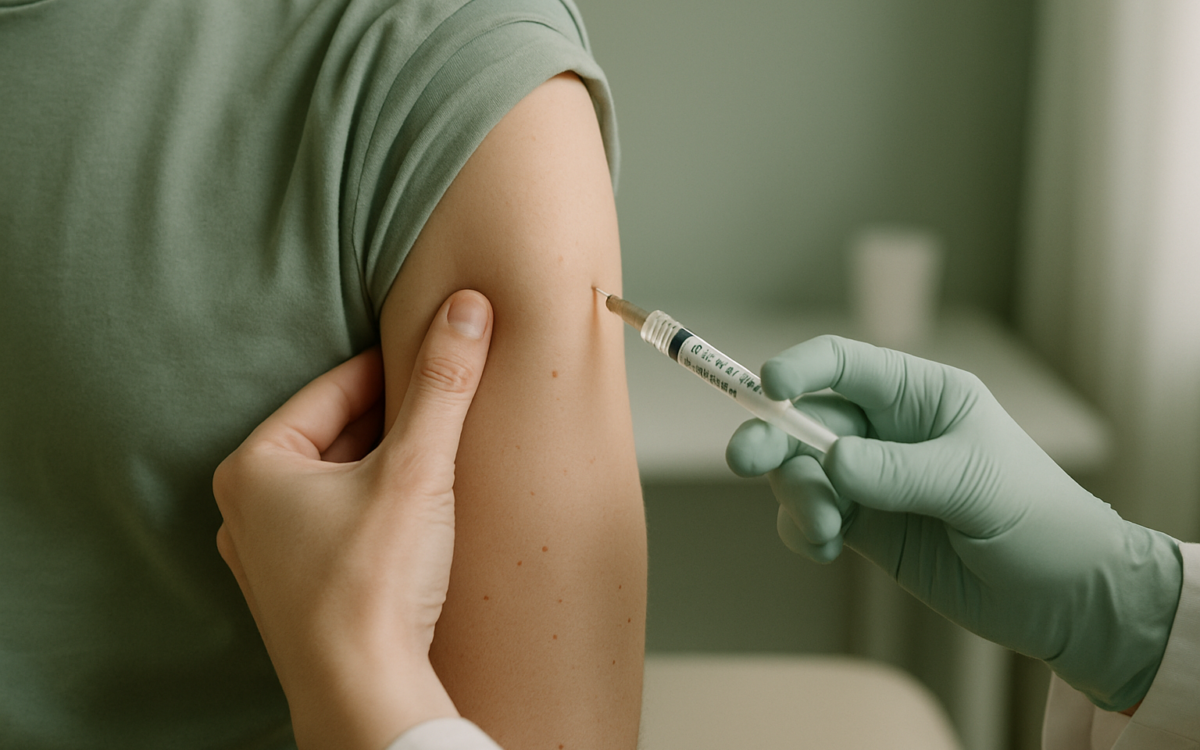
Receiving vaccinations is an essential part of maintaining your health, and this is especially true for the hepatitis B vaccine. Hepatitis B is a viral infection that affects the liver, leading to serious health problems. A vaccine exists to protect against this infection, but like many vaccines, the hepatitis B vaccine requires a booster dose to maintain optimal immunity. In this article, we’ll explore what the booster dose schedule looks like for adults, why it’s important, and what you should know about hepatitis B and its prevention.
What Is the Hepatitis B Vaccine?
The hepatitis B vaccine is designed to safeguard against the hepatitis B virus (HBV), which can cause chronic liver disease, cirrhosis, and hepatocellular carcinoma (liver cancer). The vaccine stimulates the immune system to produce antibodies against HBV, providing immunity to individuals who receive it.
According to the CDC, the vaccine is typically administered in three doses over six months for adults. The initial series is essential, but booster doses can be necessary for certain populations, especially those at higher risk.
Booster Dose Schedule for Adults
For most adults, a booster dose of the hepatitis B vaccine is not routinely recommended. However, certain groups may require additional doses to maintain immunity. Here’s a breakdown of when booster doses may be suggested:
- High-Risk Groups: Adults at increased risk of HBV exposure, such as healthcare workers, those with multiple sexual partners, or those using injection drugs, may need a booster dose if their immunity wanes.
- Chronic Kidney Disease Patients: Individuals undergoing dialysis may require more frequent boosters and should consult their healthcare provider for personalized recommendations.
- Travelers: Adults traveling to areas with a high prevalence of hepatitis B may be advised to receive a booster, especially if they did not complete their vaccination series.
Typically, if a booster is suggested, it is administered 5 years after the last dose of the vaccine series. However, individual circumstances vary, and consulting a healthcare professional is essential to determine the appropriate schedule for you.
Why Are Booster Doses Important?
Booster doses play a crucial role in maintaining long-term immunity. Over time, the body’s immune response can decrease, potentially leaving individuals vulnerable to infection. Vaccinologist Dr. Margaret Liu notes that as we age or if we are exposed to high-risk environments, our immune systems may require a little help keeping up their defenses (NIH).
By keeping your hepatitis B vaccinations up to date, you are not only protecting yourself but also contributing to community immunity. Higher vaccination rates in the population lead to decreased transmission of the virus, helping to protect those who may not be able to be vaccinated for medical reasons.
Identifying Immunity: Testing and Monitoring
For adults who are unsure of their immunity status or need clarification about vaccination history, a blood test can determine whether they have protective antibodies against the hepatitis B virus. This test, called the Hepatitis B surface antibody test (anti-HBs), indicates if you are immune due to vaccination or past infection.
Adults with low or undetectable antibody levels may need to receive a booster shot. Additionally, certain medical conditions or lifestyle factors may necessitate more frequent testing. Regular screenings help ensure that at-risk individuals remain protected effectively.
Potential Side Effects of the Vaccine
Like any vaccine, the hepatitis B vaccine may cause side effects. However, most are mild and temporary. Common side effects may include:
- Swelling or soreness at the injection site
- Fever
- Fatigue
- Headache
Serious side effects are rare, but if you experience unusual symptoms after vaccination, it’s important to consult a healthcare professional. Understanding the potential side effects can help alleviate any concerns about receiving the vaccine or booster doses.
When to See a Doctor
If you have any questions or concerns about your hepatitis B vaccination or booster schedule, it’s essential to consult with your healthcare provider. They can help assess your immunity status, evaluate your risk factors, and create a tailored vaccination plan. Specific situations for making an appointment include:
- You are unsure if you’ve completed your vaccination series.
- You were recently exposed to the virus or are at high risk.
- You are experiencing unusual or severe side effects after vaccination.
Your health and wellbeing are of utmost importance; taking proactive steps can help protect you and those around you from hepatitis B.
Conclusion
The hepatitis B vaccine is a vital tool in preventing a serious viral infection that can lead to severe liver complications. For adults, understanding when to receive booster doses is crucial for maintaining immunity, particularly if you fall into high-risk groups or have specific health considerations. Staying informed, keeping up with vaccinations, and consulting your healthcare provider can make a significant difference in protecting your health now and in the future.
For more information about hepatitis B and vaccination, you can explore resources provided by reputable organizations like the World Health Organization or the Mayo Clinic.
