
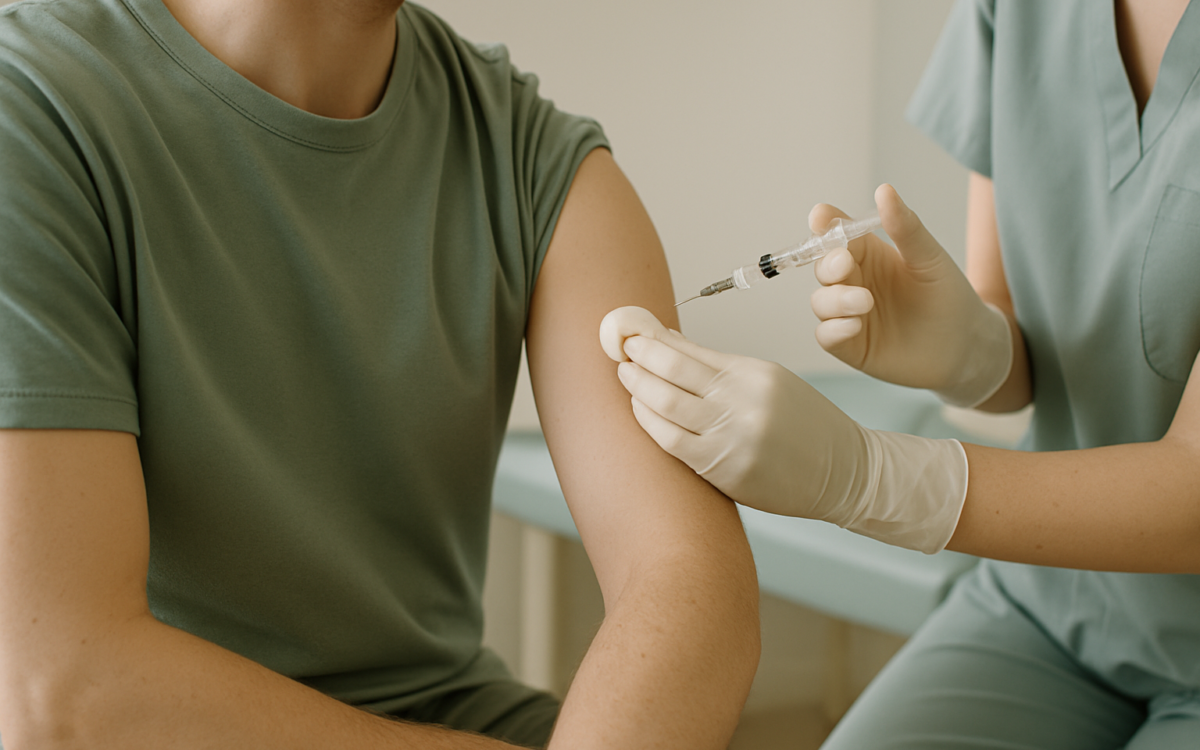
The health landscape is ever-changing, and so are the vaccines that help protect us from serious diseases. One such vaccine is the Tdap vaccine, which is crucial for adults. While many people are familiar with common childhood vaccines, adult vaccinations often fly under the radar. Understanding the importance of the Tdap vaccine can empower you to take charge of your health.
What is the Tdap Vaccine?
Tdap stands for Tetanus, Diphtheria, and Pertussis. This combination vaccine protects against three potentially dangerous diseases:
- Tetanus: Caused by a bacteria that enters the body through wounds, tetanus can lead to muscle stiffness, spasms, and even death.
- Diphtheria: This serious bacterial infection can cause severe respiratory problems and complications.
- Pertussis: Also known as whooping cough, this highly contagious disease can lead to severe coughing fits, especially dangerous for infants and young children.
While most people think of childhood vaccinations, the Tdap vaccine is necessary for adults, too. It serves as a booster to keep immunity strong against these diseases throughout life.
Who Should Get the Tdap Vaccine?
The Centers for Disease Control and Prevention (CDC) recommend that every adult receive a Tdap booster once every 10 years. Here are specific groups that may especially benefit from the Tdap vaccine:
- Pregnant women: It’s crucial for expectant mothers to receive the Tdap vaccine during every pregnancy, ideally between 27 and 36 weeks, to protect their newborns from pertussis.
- Healthcare workers: Those who work in healthcare, as they may come into contact with patients who are at risk of complications from these diseases.
- Adults close to infants: Anyone who spends time with babies should consider the vaccine to help create a protective environment.
- Travelers: If you’re planning on international travel, be sure to check vaccine recommendations for your destination.
Staying updated on your Tdap vaccination is a key step in public health and personal well-being.
Why is Tdap Important for Adults?
You might wonder why adults need a vaccine often associated with children. The truth is that immunity from childhood vaccinations can fade over time. The Tdap booster helps maintain adequate protection against these diseases.
Outbreaks of pertussis are still reported in communities. In recent years, adults have been responsible for spreading whooping cough to infants who are too young to be vaccinated. Keeping your immunity up-to-date not only protects you but also those around you. The impact of Tdap is significant; vaccination helps decrease the incidence of these diseases and prevent outbreaks.
What to Expect After Vaccination?
After receiving the Tdap vaccine, side effects are typically mild and can include:
- Soreness or redness at the injection site
- Fatigue
- Headaches
- Mild fever
These side effects generally resolve themselves within a few days. Serious reactions are rare, but if you experience difficulty breathing or a severe allergic reaction, seek immediate medical help. It’s vital to report any adverse effects to your healthcare provider.
Receiving Treatment Abroad: The Role of Tdap
Travelers should not overlook vaccinations when venturing outside their home country. Vaccination protocols can vary around the world, and understanding what is required or recommended is essential. For instance, at Acibadem International, comprehensive healthcare services include up-to-date vaccination information for travelers and expats. Major health organizations often emphasize the necessity of being current with vaccines when traveling to ensure not only personal health but also the health of local communities.
Other Vaccines to Consider
While Tdap is vital, it’s not the only vaccine adults should keep in mind. Consider the following vaccinations:
- Influenza: Annual flu shots are crucial for everyone, particularly older adults and those with chronic health conditions.
- Shingles: A vaccine for shingles is recommended for adults over 50 to prevent this painful condition.
- Pneumonia: Pneumococcal vaccines can protect against pneumococcal diseases, which can cause pneumonia, meningitis, and blood infection.
Discuss with your healthcare provider which vaccines are right for you based on your age, health status, and lifestyle.
When to See a Doctor
If you have any questions about your vaccination status, especially concerning Tdap, consult your healthcare provider. It’s also essential to contact a medical professional if:
- You believe you may have contracted tetanus, diphtheria, or pertussis.
- You experience severe side effects after receiving the vaccine.
- You have health conditions that might influence your vaccination.
Your doctor can provide personalized advice, ensuring you remain healthy and protected against preventable diseases.
Staying informed and proactive about vaccinations like Tdap is a key part of maintaining your health as an adult. As we navigate a world where diseases can unexpectedly resurface, immunizations remain a crucial line of defense.
Conclusion
Being aware of the Tdap vaccine and its importance is vital for every adult. Vaccination is not just an individual choice; it’s a public health measure that protects communities. Keep your vaccinations current and consult your healthcare professional to ensure you are protected against serious diseases.
