
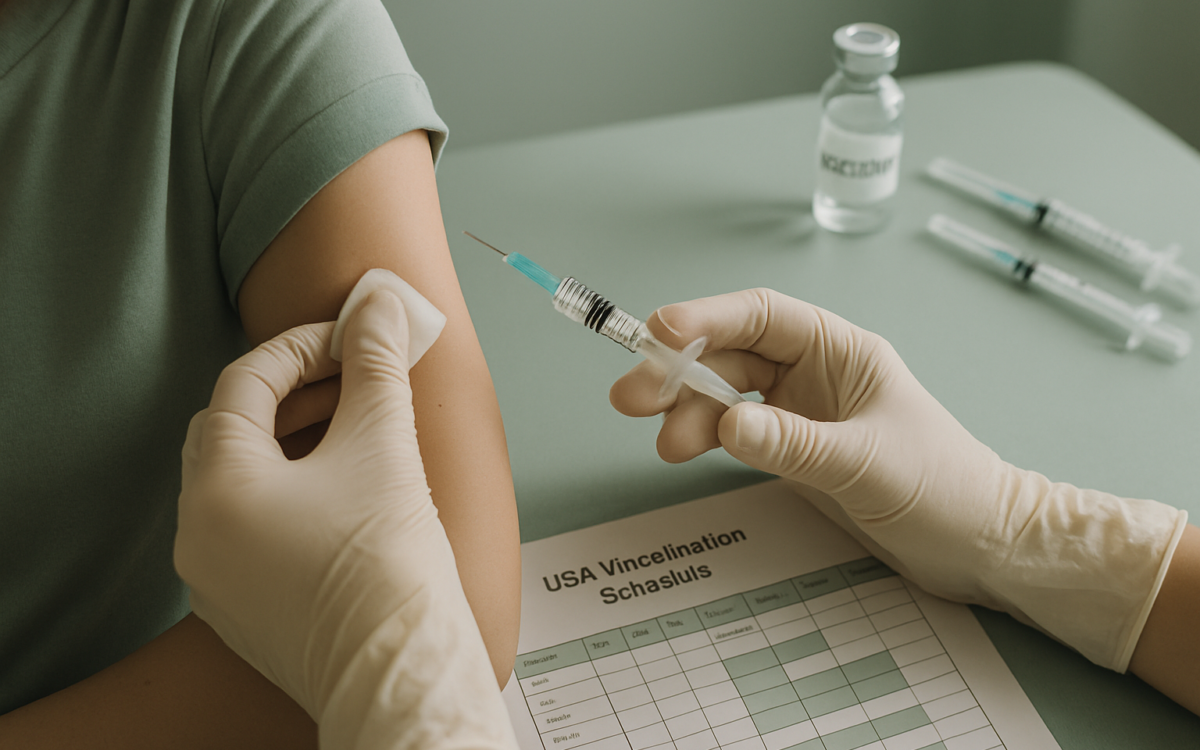
Vaccinations play a critical role in public health by preventing a range of diseases. Understanding the USA vaccination schedule is essential for parents and individuals alike. This guide aims to simplify the vaccination process, ensuring that you are informed about when and what vaccines you and your loved ones should receive.
What is the USA Vaccination Schedule?
The USA vaccination schedule outlines the vaccines recommended for individuals at different stages of their lives. The Centers for Disease Control and Prevention (CDC) provides these guidelines, which are based on extensive research and expert opinion. These recommendations help protect against diseases like measles, mumps, rubella, influenza, and many others.
Vaccination Schedule for Infants and Children
The schedule for infants and children is designed to protect them during their most vulnerable years. Here are some key vaccines and the recommended ages:
- Hepatitis B: First dose at birth, second dose at 1-2 months, and third dose at 6-18 months.
- DTP (Diphtheria, Tetanus, and Pertussis): Series of doses at 2, 4, and 6 months, with booster shots at 15-18 months and 4-6 years.
- MMR (Measles, Mumps, and Rubella): First dose at 12-15 months, and the second dose at 4-6 years.
- IPV (Inactivated Polio Vaccine): Doses at 2, 4, and 6-18 months, and a booster at 4-6 years.
This is just a snapshot of the recommended vaccines for children. For detailed recommendations, you can refer to the resources available from the CDC website.
Vaccination Schedule for Adolescents
As children grow into adolescence, their vaccination needs evolve. Key vaccines for this age group include:
- Tdap (Tetanus, Diphtheria, and Pertussis) Booster: Recommended at 11-12 years old.
- HPV (Human Papillomavirus): Recommended for both boys and girls starting at ages 11-12, given in a series.
- Meningococcal Conjugate Vaccine: First dose at 11-12 years and a booster at 16 years.
These vaccines are crucial for preventing infections that can lead to serious health issues in adolescence and later in life.
Vaccination Schedule for Adults
Adults also require vaccinations to maintain their health and prevent diseases. Some key vaccines include:
- Flu Vaccine: Recommended annually for everyone 6 months and older.
- Tdap Booster: Every 10 years to maintain protection against tetanus and diphtheria.
- Shingles Vaccine: Recommended for adults over 50.
- Pneumococcal Vaccine: Particularly for adults over 65 and those with certain health conditions.
Consulting with healthcare providers can ensure that adults receive the necessary vaccines based on individual health risks.
Vaccination Myths and Misconceptions
Despite the overwhelming evidence supporting vaccinations, there are still myths and misconceptions that create hesitancy. Here are a few common ones:
- Vaccines cause autism: Numerous studies have found no link between vaccines and autism (NIH).
- Natural immunity is better: While natural infection can provide immunity, it often comes with severe consequences. Vaccines help avoid severe diseases while providing immunity.
- Vaccines contain dangerous substances: Vaccines do contain ingredients that are safe in small amounts. They are thoroughly tested before approval.
It is important to discuss any concerns with healthcare professionals, who can provide accurate information based on scientific evidence.
Keeping Track of Your Vaccinations
Maintaining a record of vaccinations is essential for both children and adults. Here are some tips for tracking your vaccinations:
- Keep a personal health record: Document all vaccinations received, including dates and locations.
- Check with schools or workplaces: Many institutions require vaccination records, especially for children.
- Use online tools: Some states have immunization registries where you can access your vaccination records.
By keeping track of vaccinations, you can ensure timely updates and boosters as needed.
When to See a Doctor
If you have questions about the vaccination schedule or if you or your child are behind on vaccinations, consult your healthcare provider. They can help create a catch-up schedule and address any concerns you may have.
Conclusion
The USA vaccination schedule is an essential tool in maintaining the health of individuals and communities. By staying informed about recommended vaccinations, parents and adults can protect themselves and their families from preventable diseases. Always consult with a healthcare provider for personalized advice and to ensure that you and your loved ones are up-to-date on vaccinations.
