
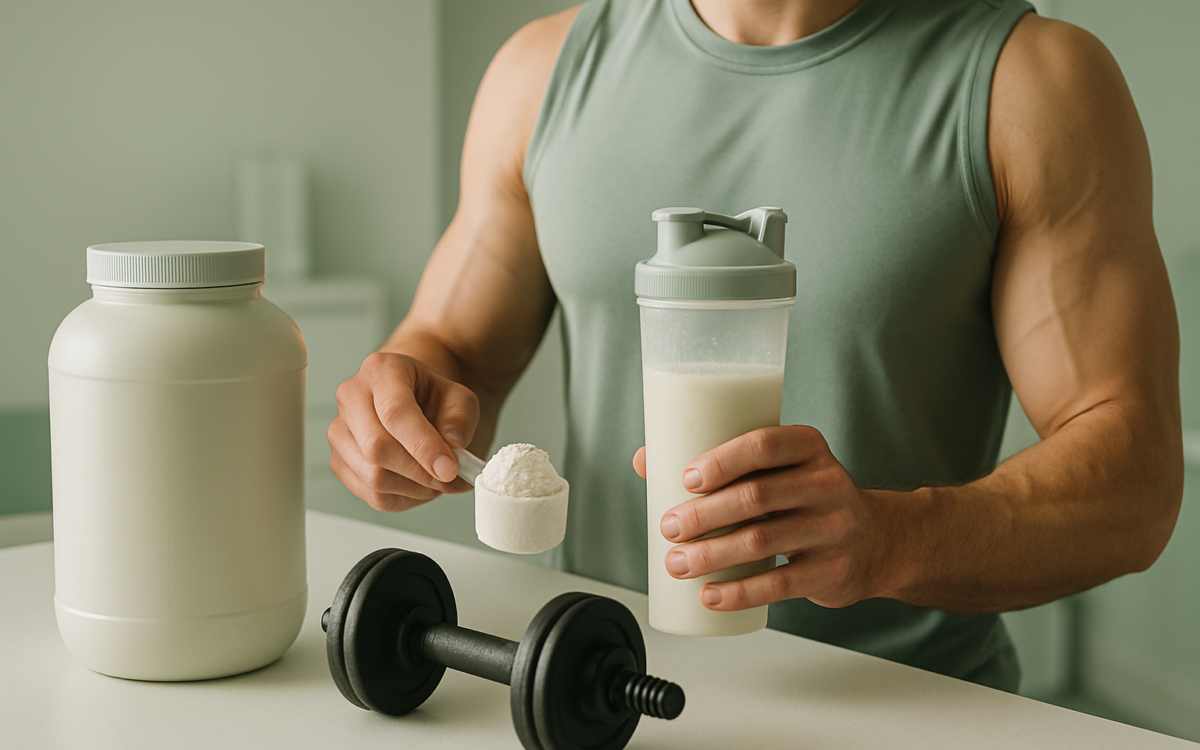
Building lean muscle mass isn’t just for bodybuilders; it’s a goal for anyone looking to improve their overall health and fitness. Whether you’re a beginner or someone with experience in the gym, understanding how to effectively build muscle can transform your body and your life. This article will walk you through the essential elements, from the right exercises to proper nutrition and lifestyle changes.
Understanding Lean Muscle Mass
Before we dive into how to build lean muscle mass, it’s essential to understand what lean muscle is. Lean muscle mass refers to the weight of your muscles minus fat. Building lean muscle helps improve your metabolism, strengthens your bones, and enhances your physical performance in daily activities and sports.
1. Importance of Resistance Training
One of the most effective ways to build lean muscle mass is through resistance training. This form of exercise involves lifting weights or using resistance bands to work your muscles. Here are several key points to consider:
- Progressive Overload: Gradually increase the weight you lift over time. This continuous challenge helps your muscles adapt and grow.
- Compound Exercises: Focus on multi-joint movements like squats, deadlifts, and bench presses. These exercises work several muscle groups at once, maximizing your workout efficiency.
- Consistency: To see results, aim for at least two to three sessions of resistance training a week, allowing for rest days in between to let your muscles recover and grow.
2. Nutrition’s Role in Building Muscle
Your diet plays a significant role in muscle building. Consuming the right nutrients helps to fuel your workouts and supports recovery. Here’s what to focus on:
- Protein: Protein is crucial for muscle repair and growth. Aim for sources such as lean meats, fish, eggs, beans, and dairy. A general recommendation is to consume 1.2 to 2.0 grams of protein per kilogram of body weight each day, especially if you’re exercising regularly (NIH).
- Carbohydrates: Carbs provide the energy necessary for your workouts. Include whole grains, fruits, and vegetables in your meals.
- Healthy Fats: Don’t shy away from healthy fats found in avocados, nuts, and olive oil. These can support hormone production, which is vital for muscle growth.
3. Hydration and Recovery
Staying hydrated is often overlooked but is essential for muscle growth. Water helps transport nutrients to your muscles and plays a role in recovery. Follow these tips:
- Drink Water Regularly: Aim for at least 8-10 glasses of water daily, or more if you’re active or exercising heavily.
- Post-Workout Nutrition: After exercising, consume a mix of protein and carbs within the first 30 minutes to optimize recovery.
4. Considering International Treatment Options
If you’re considering specialized treatment for improved muscle building or rehabilitation, international patient services can provide options and resources that suit your needs. Some programs offer innovative training techniques, nutritional counseling, and more personalized approaches tailored to your goals and preferences.
5. Rest and Sleep: The Unsung Heroes
Never underestimate the power of rest. Muscles grow and repair themselves while you sleep. Here are some important points about rest:
- Sleep Quality: Aim for 7-9 hours of quality sleep each night. Poor sleep can hinder recovery and muscle growth.
- Rest Days: Incorporate rest days into your weekly routine. It helps prevent injury and allows your muscles to recover.
When to See a Doctor
While building lean muscle mass is generally safe for most people, consider consulting with a healthcare provider if:
- You experience persistent pain or discomfort while exercising.
- You have underlying health conditions that may be impacted by physical activity.
- You notice significant changes in your health or physical abilities during your workout routine.
Conclusion
Building lean muscle mass is a journey that involves understanding the right exercise techniques, prioritizing nutrition, and allowing your body the time it needs to rest and recover. By implementing these strategies consistently and seeking professional advice when necessary, you can reach your physical goals and enjoy the many benefits that come with having lean muscle.
