
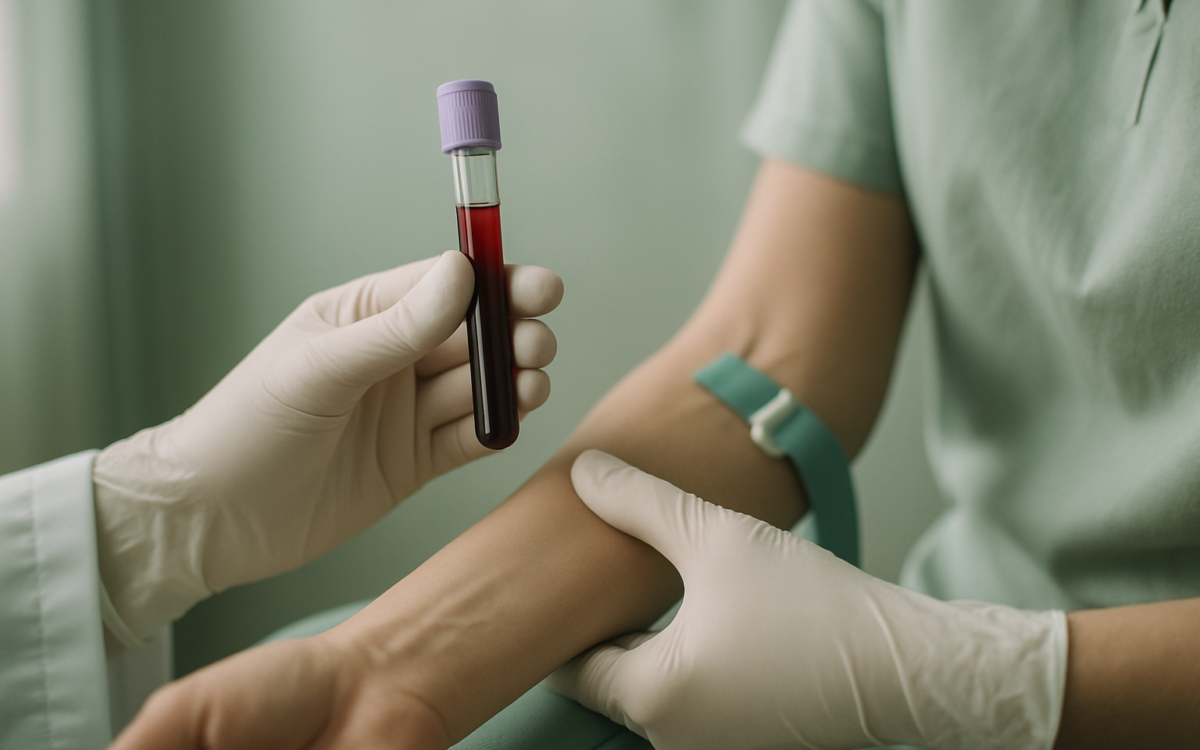
Detecting cancer early can be crucial for treatment and recovery. A common question that arises in many health discussions is whether cancer can be detected through a simple blood test. While advancements in medical research are making this a hot topic, the topic is more complex than one might think.
Understanding Blood Tests and Their Purpose
Blood tests are widely used in healthcare to assess overall health, diagnose diseases, and monitor treatment progress. They can provide valuable information about various diseases, including cancers, but they are not yet the sole method for detecting cancer.
Types of Blood Tests Used in Cancer Detection
Several specific blood tests can be utilized to help detect cancer or indicate its presence. These tests are generally looking for tumor markers, which are substances produced by cancer cells or by the body in response to cancer. Some common blood tests include:
- Complete Blood Count (CBC): This test measures the levels of different blood cells and can help detect abnormalities that may suggest cancer.
- Liver Function Tests: Abnormal results may indicate cancer or liver disease.
- Specific Tumor Markers: Tests like PSA (Prostate-Specific Antigen) for prostate cancer, CA-125 for ovarian cancer, and CEA (Carcinoembryonic Antigen) for colorectal cancer are examples of specialized blood tests.
The Role of Biomarkers in Cancer Detection
Biomarkers are biological molecules found in blood, other body fluids, or tissues that can indicate the presence of cancer. Researchers are continually studying various biomarkers to improve the accuracy and reliability of blood tests for cancer detection. Some promising areas include:
Liquid Biopsies
Liquid biopsies are a growing area of interest in cancer detection. They involve analyzing blood samples to find circulating tumor DNA (ctDNA) or RNA that can indicate the presence of cancer. These tests are non-invasive and can provide a lot of information, although they are still under development and not commonly used in routine screenings.
Pros and Cons of Blood Tests for Cancer
While blood tests have their advantages—such as being minimally invasive—they also come with limitations.
Advantages:
- Non-invasive and generally quick to perform.
- Can provide additional information alongside other diagnostic tests.
- May help in monitoring treatment efficacy and cancer recurrence.
Limitations:
- Not all cancers have identifiable blood markers.
- Some tumor markers can be elevated due to conditions other than cancer, leading to false positives.
- Often used in conjunction with other types of tests rather than as stand-alone diagnostic tools.
Current Guidelines for Cancer Screening
Organizations like the Centers for Disease Control and Prevention (CDC) and the World Health Organization (WHO) recommend various screening tests depending on age, sex, and other risk factors. Common screenings include mammograms for breast cancer, colonoscopies for colorectal cancer, and Pap smears for cervical cancer. Blood tests may supplement these primary methods but are not typically used as the primary means of early detection.
Future Directions in Cancer Detection
Research is ongoing to enhance the effectiveness and reliability of blood tests in cancer detection. Studies are exploring how combining multiple biomarkers can improve detection rates and reduce false positives. As technology advances, we may see more comprehensive and accurate blood tests capable of diagnosing different cancer types at earlier stages.
When to See a Doctor
If you have symptoms that concern you or a family history of cancer, it might be time to consult with your healthcare provider. They can guide whether blood tests or other screenings are appropriate for you based on your specific situation.
In conclusion, while blood tests can aid in the detection of cancer, they are currently part of a larger diagnostic approach. Understanding their role and limits can empower you to make informed decisions about your health.
