
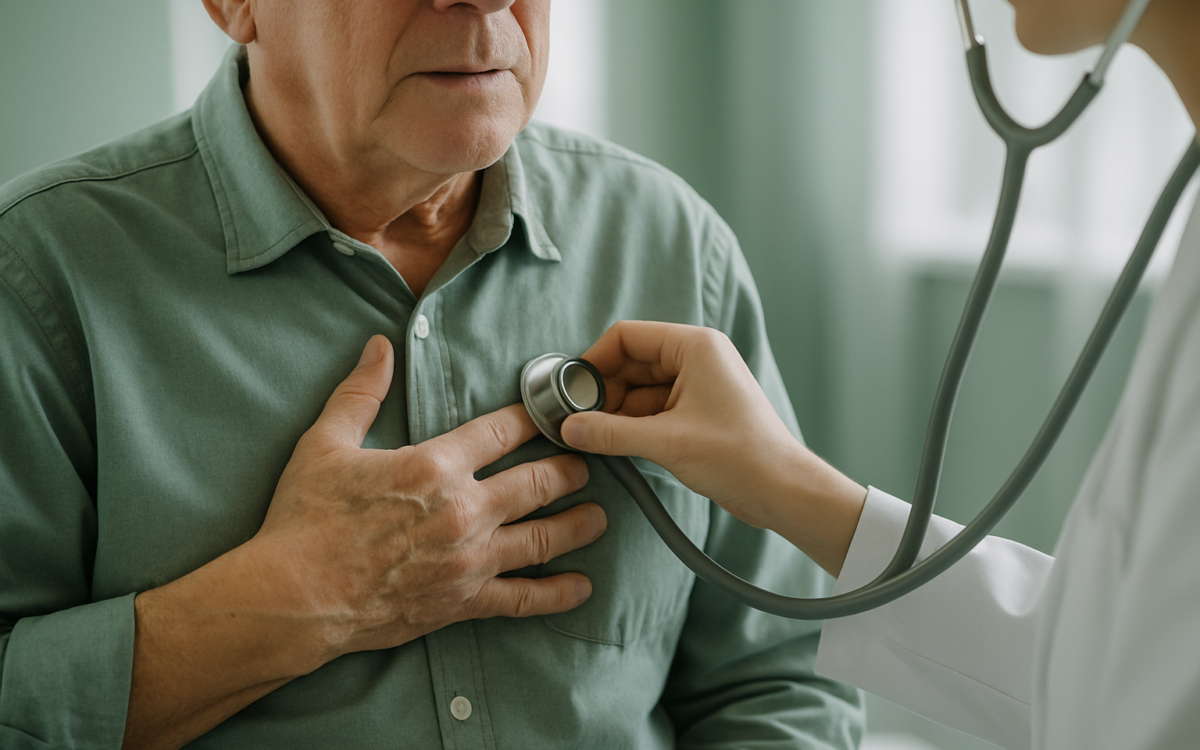
Heart attacks happen when the blood flow to a part of the heart is blocked. This can cause serious damage to the heart muscle and even be life-threatening. Understanding the warning signs and symptoms is crucial for both your health and safety. This article will help you recognize the signs of a heart attack, learn about risk factors, and understand what to do in case of an emergency.
What is a heart attack?
A heart attack, also known as a myocardial infarction, occurs when blood flow to the heart is restricted. This usually happens due to a blood clot that forms in a coronary artery. When the heart doesn’t get enough oxygen, part of the heart muscle can begin to die, making it critical to act quickly. Many people think they are experiencing indigestion or heartburn when, in fact, they are having a heart attack.
Common signs and symptoms
Recognizing the symptoms of a heart attack is essential. Not everyone experiences the same signs, and they can vary between men and women.
- Chest discomfort: This may feel like pressure, squeezing, fullness, or pain in the center or left side of the chest. It can last for more than a few minutes or go away and come back.
- Shortness of breath: This can occur with or without chest discomfort. It might feel like you are gasping for air, or you could feel winded even when resting.
- Other discomfort: Pain or discomfort can also spread to the shoulders, neck, arms, back, teeth, or jaw. Women are more likely to experience this type of discomfort.
- Nausea or lightheadedness: Some people might feel nauseous or dizzy during a heart attack. This could include breaking out in a cold sweat or feeling unusually fatigued.
If you or someone else experiences these symptoms, it’s vital to seek immediate medical help.
Risk factors for heart attacks
Not everyone will have a heart attack, but several risk factors increase your likelihood. Understanding these can help you make healthier choices.
- Age: Risk increases with age, particularly for men over 45 and women over 55.
- Smoking: Tobacco use significantly increases heart attack risk.
- High blood pressure: Uncontrolled high blood pressure can damage arteries and increase your risk.
- High cholesterol levels: Low-density lipoprotein (LDL), or “bad” cholesterol, can build up and block arteries.
- Diabetes: This health condition increases your risk due to damage caused to blood vessels.
- Family history: If heart disease runs in your family, your chances of heart-related issues may be higher.
Addressing these risk factors, with the guidance of your healthcare provider, can help improve your heart health.
When to check your heart health
Regular monitoring of your heart health can help you catch problems before they become severe. Here are some recommended actions:
- Routine check-ups: Schedule regular appointments with your doctor to review your blood pressure, cholesterol levels, and overall heart health.
- Know your numbers: Keep track of your blood pressure and cholesterol levels. Refer to the CDC for guidelines on heart disease prevention.
- Healthy lifestyle: Adopt a heart-healthy diet, maintain a healthy weight, and get regular exercise. These factors can significantly influence your heart health.
- Be alert: Learn the signs of a heart attack. If you recognize these symptoms in yourself or someone else, do not hesitate to seek immediate help.
How to respond to a heart attack
Understanding how to respond in case of a heart attack could save a life:
- Call emergency services: If you suspect a heart attack, call 911 (or your local emergency number) immediately.
- Stay calm: Try to remain as calm as possible. Keeping stress levels low can help until help arrives.
- Chew aspirin: If not allergic, and advised by a healthcare professional, chewing an aspirin can help thin the blood during a heart attack. Always consult your doctor first before taking any medication during an emergency.
- Begin CPR if necessary: If a person is unresponsive and not breathing, begin CPR immediately. This can help keep blood flowing until emergency responders arrive.
When to see a doctor
If you experience chest discomfort or other symptoms that are concerning, do not delay in seeking medical assistance. It’s always better to err on the side of caution. Consider consulting your doctor if you:
- Experience any of the signs mentioned earlier
- Have a family history of heart disease
- Are over the age of 45 and experiencing any unusual symptoms
Your health is too important to take lightly. Keeping your doctor informed of any changes in your health is key.
Conclusion
Recognizing the signs of a heart attack can make a vital difference in outcomes. By understanding the risk factors and knowing what to do if a heart attack occurs, you can manage and protect your heart health better. Always discuss your concerns about heart health with your doctor and get regular check-ups to stay proactive in caring for your heart.
