
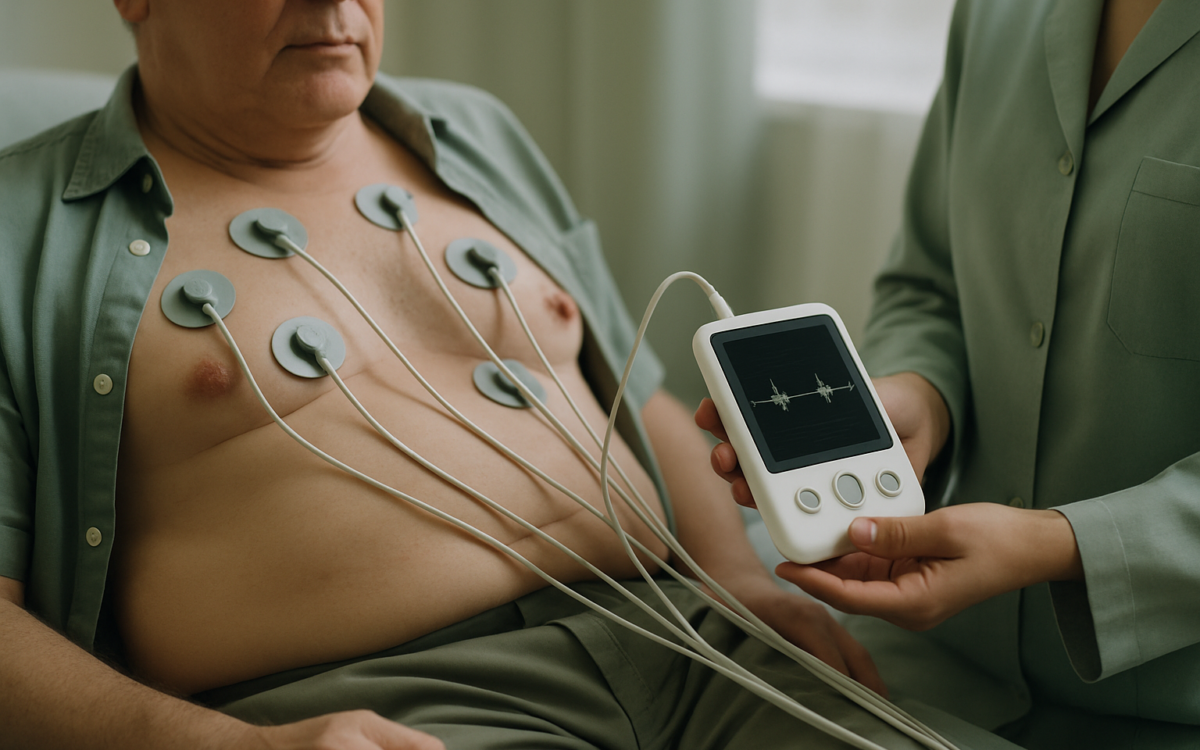
Heart disease is a leading cause of death in the United States and around the world. Understanding the importance of a heart screen can significantly aid in the early detection and prevention of potential cardiovascular issues. From measuring cholesterol levels to checking blood pressure, heart screens are valuable tools to help guard your heart.
What is a Heart Screen?
A heart screen, or cardiovascular screening, is a set of tests designed to assess your heart health. These tests provide crucial information about your risk of developing heart-related conditions, including heart attack, stroke, and other cardiovascular diseases. A typical heart screen may include:
- Blood pressure measurement
- Cholesterol level checks
- Blood glucose tests
- Body mass index (BMI) calculation
- Electrocardiogram (EKG) to measure heart rhythm
These screenings are vital because many heart conditions develop gradually without noticeable symptoms. Detecting issues early on can lead to better management and outcomes.
Why Are Heart Screens Important?
Heart screens play a critical role in disease prevention. They help identify risk factors before they lead to serious conditions. According to the CDC, key factors such as high cholesterol and high blood pressure can be detected through these screenings. Addressing them early can significantly reduce your risk of heart disease.
Moreover, a heart screen can guide your healthcare provider in recommending lifestyle changes that can improve your heart health. These changes might include better dietary choices, increased physical activity, and medications as needed.
Who Should Get a Heart Screen?
While it’s essential for everyone to be mindful of their heart health, certain groups may benefit more from routine heart screens:
- Individuals aged 40 and older
- People with a family history of heart disease
- Those with existing conditions such as diabetes or high blood pressure
- Individuals who smoke or are overweight
- Patients with sedentary lifestyles
For these populations, regular heart screenings can enhance early detection and prompt preventive measures.
What to Expect During a Screening
Heart screenings can vary in procedures based on age, gender, and health history. During your visit, expect the following:
- Your healthcare provider will review your medical history and any familial health issues.
- Measurements like blood pressure and BMI will be taken.
- A blood sample may be drawn to evaluate cholesterol and glucose levels.
- Some screenings may include an EKG to monitor heart rhythm and function.
The entire process typically takes less than an hour, making it a quick yet significant investment in your health.
International Perspectives on Heart Screening
In different parts of the world, heart screening approaches and accessibility can vary. Countries like Turkey have made strides in offering advanced cardiovascular care, making it easier for individuals to access these essential tests. For those interested in exploring comprehensive heart health options, treatment in Turkey may provide innovative solutions backed by international expertise.
Understanding global practices can also shed light on best practices and innovative techniques that could enrich your healthcare options.
Staying Proactive About Heart Health
Maintaining heart health is not just about having a one-time screening. It requires ongoing attention and proactive lifestyle choices. Here are a few strategies to incorporate into your daily routine:
- Eat a balanced diet rich in fruits, vegetables, whole grains, and lean proteins.
- Engage in regular physical activity, aiming for at least 150 minutes per week.
- Avoid tobacco products and limit alcohol consumption.
- Manage stress through mindfulness, exercise, or talking to a professional.
- Stay on top of regular check-ups and consultations with your healthcare provider.
By implementing these practices, you can complement your heart screenings with an overall healthy lifestyle.
When to See a Doctor
If you experience symptoms such as chest pain, shortness of breath, or irregular heartbeats, it’s crucial to seek medical attention promptly. Additionally, if you have a family history of heart disease or other risk factors, consult your doctor about the right time to begin screening.
Regular preventive care is key to maintaining heart health and ensuring prompt treatment if problems arise.
Conclusion
Heart screens are vital tools for maintaining cardiovascular health and preventing disease. By understanding their importance, who should get one, and how to stay proactive about heart health, you can take significant steps toward a healthier future. Always remember to consult your healthcare provider if you have concerns or questions about your heart health.
