
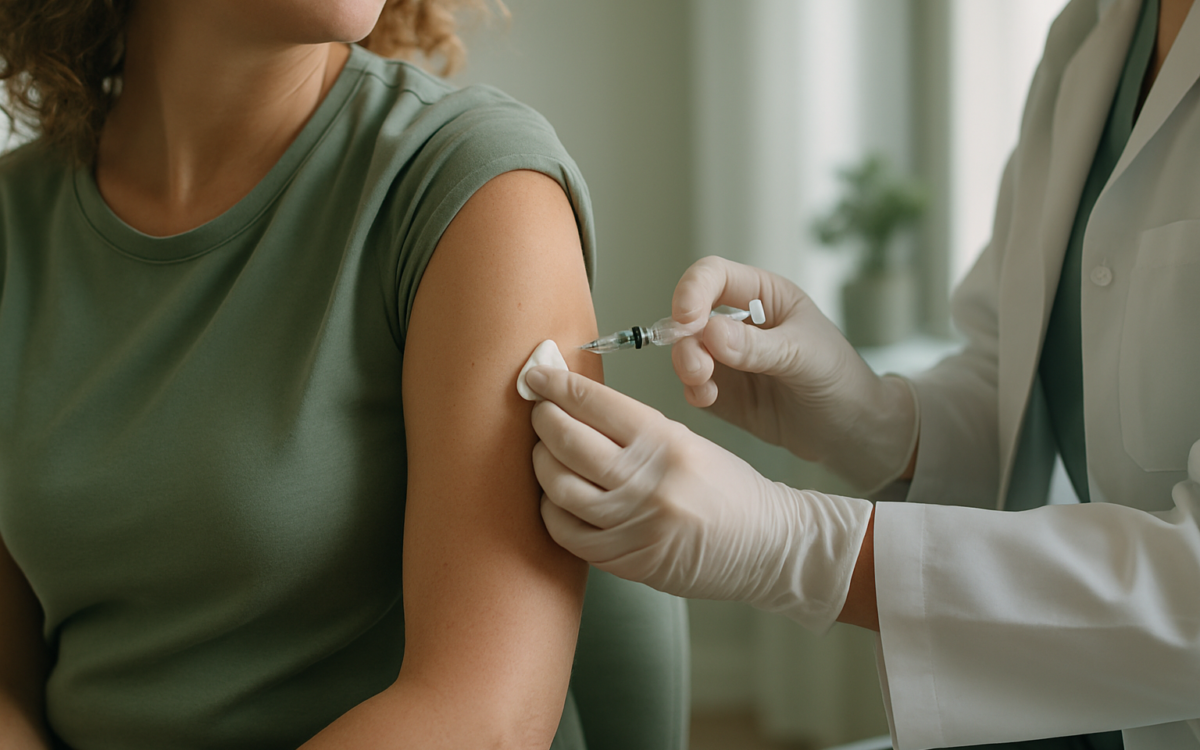
Vaccinations are often associated with childhood, but they play a crucial role in adult health too. As we age, our immune systems change, and certain vaccines become essential to protect against serious diseases. Staying up-to-date with adult vaccinations can ensure that we remain healthy and prevent the spread of infections. In this article, we will explore the importance of adult vaccinations, the recommended vaccines, and the most common misconceptions surrounding them.
The Importance of Adult Vaccinations
Vaccines stimulate our immune systems to recognize and combat pathogens effectively. Just like children, adults need vaccinations to defend against diseases. Various studies show that adults who are vaccinated are less likely to contract infections such as influenza or pneumonia, protecting not just themselves but also their communities.
Health organizations, like the Centers for Disease Control and Prevention (CDC), highlight that vaccinations can prevent tens of thousands of infections and deaths each year among adults. As we age, we become more vulnerable to infections and their complications; thus, vaccinations offer a powerful tool for prevention.
Recommended Adult Vaccines
Vaccination recommendations can vary based on age, health conditions, and lifestyle. Here are some key vaccines that many adults should consider:
- Influenza Vaccine: Recommended annually for everyone over six months old, the flu vaccine helps prevent serious illness caused by the influenza virus.
- TDAP Vaccine: A combination vaccine that protects against tetanus, diphtheria, and pertussis (whooping cough). Adults should get a booster every ten years.
- Pneumococcal Vaccine: Recommended for adults over 65 and younger adults with certain health conditions, this vaccine protects against pneumonia, a leading cause of serious infection in older adults.
- Shingles Vaccine: Shingles can be painful and debilitating. The vaccine is advised for adults over 50, even if they have had chickenpox.
- COVID-19 Vaccine: Staying protected against COVID-19 is essential. Follow guidelines from health authorities regarding vaccinations and boosters.
- Hepatitis B Vaccine: Highly recommended for adults at risk, such as healthcare workers or those with certain chronic conditions.
Vaccination Schedule for Adults
Creating a vaccination schedule may help ensure that you receive the vaccines you need. Many vaccines are given during specific life stages:
- 20s – 30s: This is a good time to catch up on any missed childhood vaccinations, including the TDAP and HPV.
- 40s – 50s: Ensure you are up-to-date with the flu vaccine and consider the shingles vaccine.
- 60s and beyond: Your immune system weakens with age, making it crucial to receive the pneumonia and annual flu vaccinations.
For a detailed schedule, consult your doctor or refer to the vaccination guidelines provided by the NIH.
Common Misconceptions about Adult Vaccinations
Many adults hesitate to get vaccinated due to misconceptions. Here are some prevalent myths:
- Myth 1: Vaccines are only for children.
Reality: Adults require vaccinations too, as diseases can affect anyone at any age. - Myth 2: Vaccines can cause the diseases they are meant to protect against.
Reality: Vaccines contain inactivated pathogens or components that help your body recognize and fight the disease without causing illness. - Myth 3: Once vaccinated, there’s no need for boosters.
Reality: Some vaccines require booster doses to maintain effectiveness over time.
Educating yourself and seeking reliable information can help dispel fears and encourage proactive health choices.
How to Prepare for Vaccination
Before attending a vaccination appointment, consider these steps:
- Consult with your healthcare provider: Discuss any allergies or health concerns that may affect your vaccination.
- Review your vaccination history: Keep track of your previous vaccinations to discuss with your doctor.
- Plan for side effects: Common side effects can include soreness at the injection site, mild fever, or fatigue. These usually resolve quickly.
By preparing in advance, you can ensure a smooth and successful vaccination experience.
When to See a Doctor
While most vaccinations are well-tolerated, you should speak with your healthcare provider if you experience any of the following:
- Severe allergic reactions, such as difficulty breathing or swelling of the face and throat.
- Persisting high fever beyond a couple of days.
- Signs of infection at the injection site, such as increasing redness, swelling, or pus.
Your healthcare provider can better assess your symptoms and guide you on the next steps.
In conclusion, adult vaccinations are an essential component of maintaining your overall health. By staying informed and proactive about your immunization needs, you can not only protect yourself but also contribute to the health of your community. Make it a priority to discuss your vaccination status with your healthcare provider and keep your immunizations up-to-date.
