
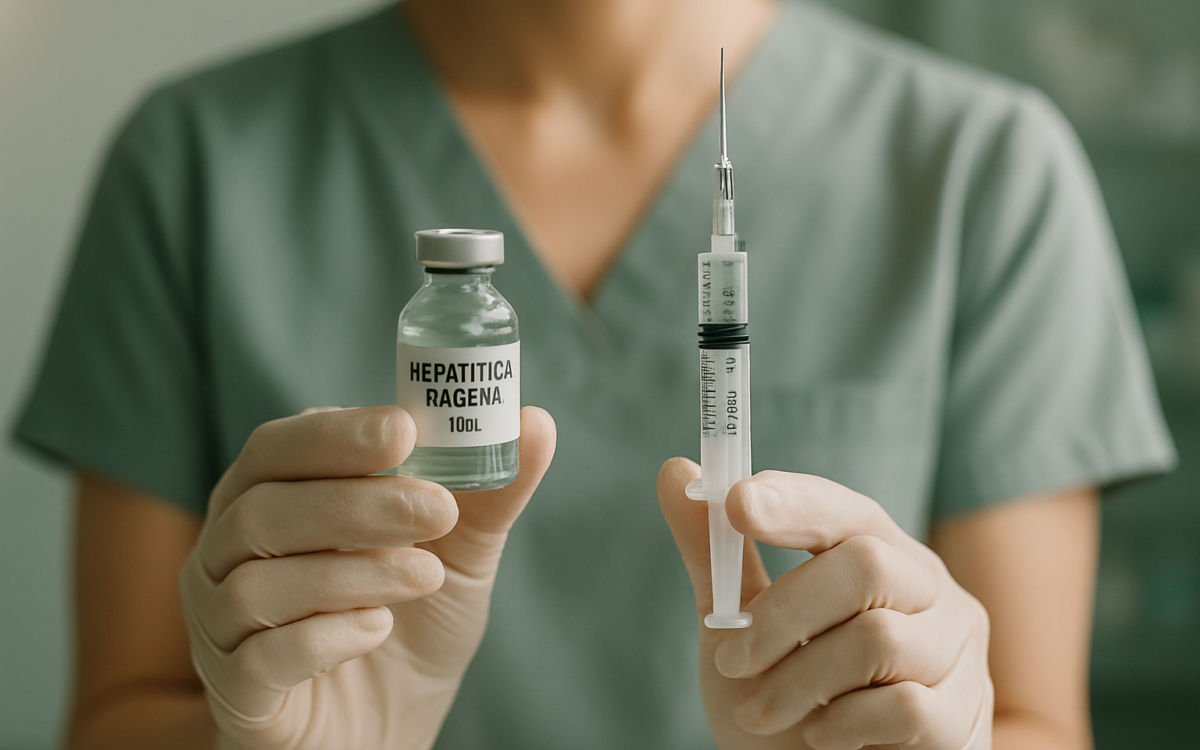
Vaccines are one of the best ways to protect against diseases, including hepatitis A and hepatitis B. Hepatitis viruses can lead to severe liver damage, and vaccination is a crucial step in preventing these infections. Understanding how long hepatitis shots are good for helps you stay on top of your health and ensure long-term protection.
What Are Hepatitis Shots?
Hepatitis shots, or vaccines, are designed to protect against the hepatitis A and B viruses. The hepatitis A vaccine is a non-infectious vaccine that helps your body develop immunity against the virus. On the other hand, the hepatitis B vaccine is a series of shots that also helps build immunity. These vaccines are typically recommended for certain groups of people, including travelers, people who work in healthcare, and those with certain medical conditions.
How Long Are Hepatitis A Shots Good For?
The hepatitis A vaccine is administered in two doses. The first dose provides a strong initial immune response, while the second dose, given 6 to 12 months later, enhances immunity and is thought to offer long-term protection. Research suggests that the vaccine provides protection for at least 20 years, and possibly a lifetime, although the exact duration may vary from person to person. Studies conducted by the CDC indicate that even after 20 years, many individuals remain immune.
How Long Are Hepatitis B Shots Good For?
The hepatitis B vaccine is usually given as a series of three injections over six months. Despite initial concerns about how long the immunity lasts, research has shown that the hepatitis B vaccine provides long-lasting protection. In most individuals, immunity appears to last at least 30 years after completing the vaccine series. According to the NIH, most vaccinated people do not require a booster dose unless they are at high risk for exposure to the virus.
When Should You Get Vaccinated?
The timing of hepatitis shots can vary based on age, lifestyle, and overall health. The CDC recommends the following:
- Hepatitis A: The vaccine is recommended for all children at age 1 and for anyone traveling to countries where hepatitis A is common.
- Hepatitis B: It is recommended for all infants at birth, and those who did not receive it as children should consider vaccination, especially adults in high-risk groups.
High-Risk Groups and Booster Shots
Individuals in certain groups may need to be more vigilant about their hepatitis vaccinations. These include people with chronic liver disease, healthcare workers, and those who may be more exposed to hepatitis viruses, such as those who inject drugs. The CDC suggests that individuals in high-risk categories consult with their healthcare providers about the possibility of booster shots, especially if there are concerns about prolonged immunity.
Staying Informed About Your Vaccination Status
Keeping a record of your vaccinations can help you track when you received your hepatitis shots and when any future vaccinations may be due. It’s crucial to visit your healthcare provider to discuss your vaccination history, especially if you are unsure of your immunization status or if your vaccine records are missing. This will ensure that you maintain your protection against hepatitis A and B.
Conclusion
Understanding how long hepatitis shots are effective is an essential part of maintaining your health. Vaccination plays a key role in preventing hepatitis infections, and knowing when you received your shots can help you stay proactive about your wellbeing. If you’re unsure about your vaccination status or if it’s time for a booster, don’t hesitate to consult your healthcare provider.
When to See a Doctor
If you experience symptoms that concern you, such as fatigue, jaundice, or abdominal pain, it’s essential to consult your doctor. They can provide recommendations regarding vaccinations and help assess your risk for hepatitis infections.
